


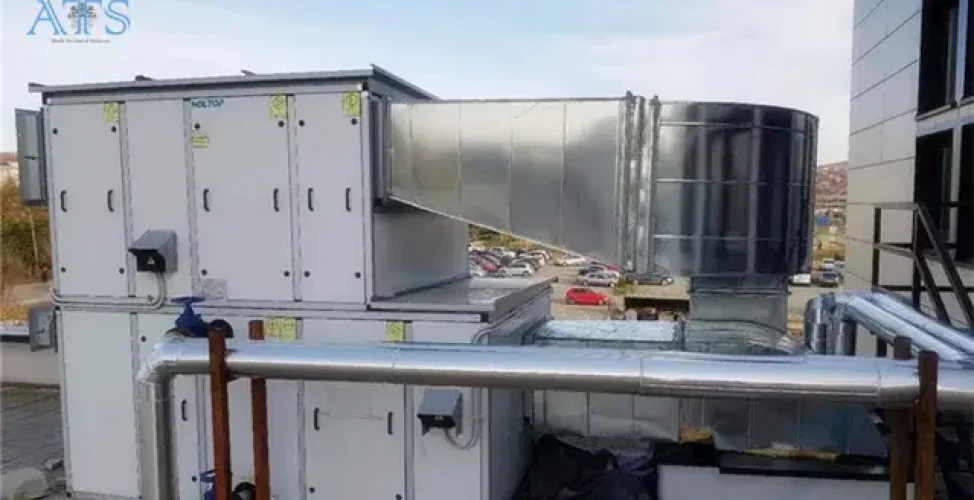
Control an HVAC System Effectively is the key to achieving optimal comfort, maximum energy efficiency, and lower operating costs, especially in the demanding climate of the UAE. Whether you manage a commercial building, industrial facility, or cold storage warehouse, proper HVAC control goes far beyond simply adjusting the thermostat. It involves real-time monitoring, smart automation, predictive maintenance, and data-driven decisions that keep your system running at peak performance.
In this guide, you’ll learn practical strategies to take full control of your HVAC system: from implementing Building Management Systems (BMS) and IoT sensors to setting up intelligent scheduling, remote monitoring, and proactive maintenance routines. You’ll discover how effective control can reduce energy consumption by 15–30%, extend equipment lifespan, and maintain precise temperature and humidity levels critical for product quality and regulatory compliance.
Key Components of Effective HVAC Control
Control an HVAC System Effectively isn’t just about installing expensive equipment, it’s about having the right combination of technologies working together intelligently. At its core, a well-controlled HVAC system relies on four essential components: reliable sensors for data collection, smart controllers for decision-making, efficient actuators for physical adjustments, and a robust communication network that ties everything together. When these parts work in harmony, your system can respond instantly to changing conditions, maintain precise temperature and humidity levels, and operate with minimal energy waste.
What makes the difference in 2026 is how these components have evolved. Modern systems go beyond basic on/off functionality and now use real-time data, artificial intelligence, and predictive algorithms to anticipate needs rather than simply react to them. Whether you’re managing a commercial building or a critical cold storage facility in the UAE, understanding these key components helps you make smarter decisions about upgrades and optimizations.
1. Sensors and Data Collection Devices
High-quality sensors form the foundation of any effective HVAC control system. Temperature, humidity, pressure, occupancy, and air quality sensors continuously feed real-time data into the system, allowing it to understand exactly what’s happening inside and outside the building. In the UAE’s extreme heat, having accurate and well-placed sensors is especially critical because even small inaccuracies can lead to significant energy waste or temperature fluctuations that affect product quality in cold storage.
Today’s advanced sensors are smaller, more accurate, and often wireless, making installation easier and reducing maintenance needs. Many now include self-diagnostic capabilities that alert operators when calibration is required. This level of data collection transforms HVAC control from guesswork into a precise, science-based process.
2. Intelligent Controllers and Processors
The controller acts as the brain of your HVAC system. Modern intelligent controllers use advanced algorithms and machine learning to process data from hundreds of sensors and make split-second decisions. Instead of simple rule-based logic, they can predict demand patterns, adjust operations based on weather forecasts, and optimize performance across multiple zones simultaneously.
In practice, these controllers enable features like demand-controlled ventilation, staged compressor operation, and dynamic pressure reset. For facilities in the UAE, this intelligence translates directly into lower electricity bills and more stable operating conditions, especially during peak summer months when cooling demand is highest.
3. Actuators and Final Control Elements
Actuators are the components that physically carry out the controller’s commands — things like damper motors, variable frequency drives (VFDs) on fans and pumps, and modulating valves. High-quality actuators respond quickly and precisely, ensuring smooth operation without unnecessary energy spikes or mechanical stress.
The best systems today use modulating actuators rather than simple on/off types, allowing the HVAC system to run at partial capacity most of the time. This capability is one of the biggest contributors to energy savings and improved comfort levels, particularly in buildings with varying occupancy throughout the day.
4. Communication Protocols and Integration Platforms
Even the best sensors, controllers, and actuators won’t deliver optimal performance without reliable communication. Modern HVAC control systems rely on open protocols like BACnet, Modbus, and MQTT to ensure all devices can “talk” to each other seamlessly. This integration allows your HVAC system to work in harmony with other building systems such as lighting, security, and fire safety.
A strong integration platform also enables remote monitoring, mobile alerts, and centralized dashboards that give facility managers complete visibility. In today’s world, this connectivity is no longer a luxury, it’s essential for maintaining compliance, reducing response times to issues, and achieving the highest levels of operational efficiency.
For more information about Afzali’s working process in industrial refrigeration and Control an HVAC System Effectively, please contact us via:
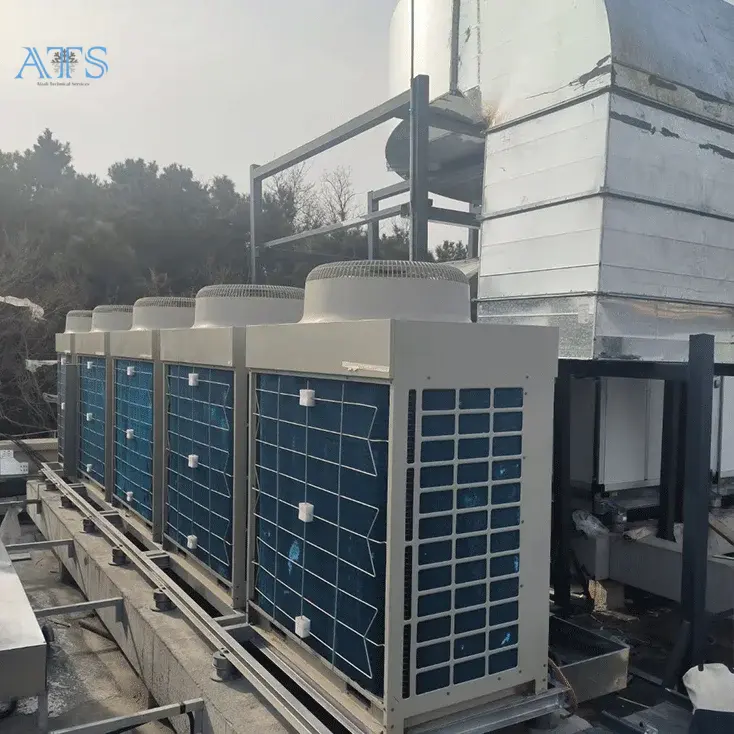
Implementing Real-Time Monitoring for HVAC Systems
Real-time monitoring has completely changed how we manage HVAC systems. Instead of checking equipment periodically or waiting for problems to appear, you can now see exactly what’s happening with your system at any moment. This continuous visibility allows facility managers and technicians to spot issues early, optimize performance instantly, and make smarter decisions based on actual data rather than assumptions.
In today’s demanding environments, especially in the UAE, real-time monitoring is no longer a luxury. It’s one of the most effective ways to reduce energy costs, prevent unexpected breakdowns, and maintain precise conditions in critical spaces like cold storage facilities through advanced HVAC Integration for UAE Cold Storage Facilities. By implementing the right monitoring solution, you transform your HVAC system from a reactive machine into a smart, proactive asset.
The best part? Modern real-time monitoring systems are more affordable and easier to implement than ever before, thanks to wireless sensors, cloud platforms, and user-friendly dashboards.
1. Benefits of Real-Time HVAC Monitoring
The biggest advantage of real-time monitoring is early problem detection. Instead of discovering a failing compressor during a breakdown, the system can alert you weeks in advance when unusual vibration or temperature patterns appear. This predictive capability dramatically reduces downtime and repair costs.
Beyond maintenance, real-time monitoring delivers significant energy savings. By tracking exactly how the system performs under different conditions, you can fine-tune operations, eliminate wasteful cycling, and ensure equipment runs at optimal efficiency. Many facilities in the UAE report 15-30% energy reduction after implementing proper monitoring.
2. Essential Sensors for Real-Time Data Collection
A successful real-time monitoring setup starts with the right sensors. Temperature and humidity sensors are fundamental, but modern systems also include pressure sensors, airflow meters, power consumption monitors, and even vibration sensors on critical rotating equipment. Placement is equally important — sensors must be positioned where they can capture meaningful data, not just in convenient locations.
Today’s sensors are highly reliable, low-maintenance, and many are wireless, making retrofitting existing HVAC systems much easier. The data they provide forms the foundation for all smarter control decisions and predictive maintenance strategies.
3. Choosing the Right Monitoring Platform
Not all monitoring platforms are created equal. The best solutions offer intuitive dashboards, mobile access, customizable alerts, and strong integration capabilities with existing BMS or HVAC controllers. Cloud-based platforms are particularly popular because they allow remote access from anywhere while providing advanced analytics and reporting features.
When choosing a platform, consider scalability, cybersecurity, and ease of use. A good system should grow with your facility and provide clear, actionable insights rather than overwhelming you with raw data. Look for platforms that offer both historical trends and real-time visualization.
4. How to Implement Real-Time Monitoring Successfully
Successful implementation starts with a clear assessment of your current HVAC setup and specific monitoring goals. It’s important to involve both technical and operational teams from the beginning so the system delivers value to everyone who interacts with it. Start with critical equipment and key zones before expanding across the entire facility.
Proper training and a simple maintenance plan for the monitoring system itself are often overlooked but crucial. Regular sensor calibration, network checks, and dashboard reviews ensure the system continues to deliver accurate and useful information over time. When done correctly, real-time monitoring becomes one of the highest-ROI investments in your HVAC infrastructure.
Predictive Maintenance for HVAC Systems in 2026
Predictive maintenance in 2026 represents a fundamental shift in how HVAC systems are cared for. Rather than relying on calendar-based schedules or waiting for warning lights, it leverages continuous performance data to forecast equipment health with remarkable accuracy. This method allows teams to intervene precisely when needed, avoiding both unnecessary maintenance and catastrophic failures.
For businesses operating in the UAE, where HVAC systems face intense heat, dust, and long operating hours, this approach is particularly valuable. It turns maintenance from a cost center into a strategic advantage by minimizing disruptions and optimizing every kilowatt of energy used. The technology has matured to the point where even mid-sized facilities can implement it effectively and see measurable returns within the first year.
How Predictive Maintenance Works in HVAC Systems;
Modern predictive systems create a digital fingerprint of each piece of equipment by analyzing dozens of operational parameters over time. When patterns begin to deviate from the established baseline — whether it’s a change in motor winding resistance or unusual refrigerant flow behavior — the system generates prioritized alerts with recommended actions. This gives technicians clear guidance instead of vague warnings.
The real power comes from continuous learning. As the system gathers more data specific to your installation and local conditions, its predictions become increasingly accurate, turning raw sensor information into practical, context-aware maintenance intelligence.
Key Technologies Driving Predictive Maintenance in 2026;
Advanced vibration analysis combined with thermal imaging and ultrasonic detection now forms the backbone of many predictive programs. These technologies can identify issues like bearing wear or insulation breakdown long before they affect system performance. Cloud-based AI platforms further enhance this by comparing your equipment’s behavior against anonymized data from thousands of similar units across the region.
Another game-changing development is the integration of weather forecasting and occupancy patterns. The system can anticipate increased load during heatwaves or adjust maintenance timing based on expected building usage, creating a truly dynamic maintenance strategy.
Major Benefits for UAE Facilities;
One standout benefit in the UAE context is the ability to protect against sudden capacity loss during peak demand periods. Predictive tools can detect early signs of performance degradation in chillers and condensers, ensuring full cooling capacity is available when it matters most. This reliability translates directly into better business continuity for hotels, hospitals, and food distribution centers.
Another important advantage is extended equipment life through optimized operating conditions. By identifying and correcting minor inefficiencies quickly, components experience less stress and degradation, often adding years to the service life of major assets and improving overall return on investment.
Steps to Implement Predictive Maintenance Successfully;
Begin by mapping your most critical HVAC assets and ranking them based on impact and failure consequences. Choose sensors and platforms that offer strong local support and integration flexibility with your existing control infrastructure. Pilot the program on high-priority equipment to demonstrate value and refine processes before broader rollout.
Focus on building internal ownership by involving technicians in alert review and action planning from day one. Establish clear escalation procedures and regularly review the accuracy of predictions to continuously improve the system. Success depends as much on people and processes as it does on the technology itself.
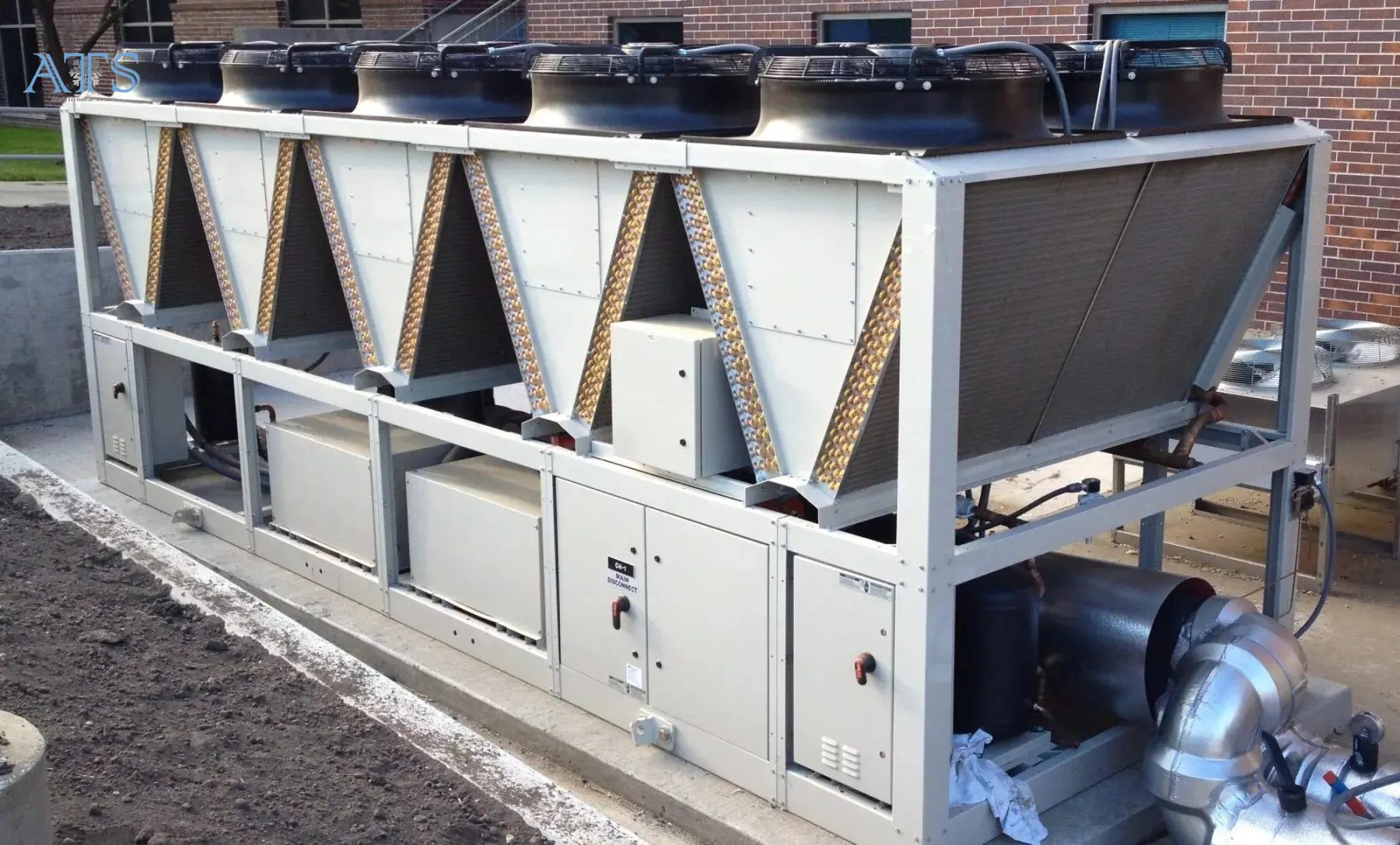
Remote Monitoring and Mobile Control Solutions
Imagine waking up to a gentle notification on your phone at 3 AM: one of your cold storage units in Jebel Ali is showing a minor temperature drift. Instead of panicking or driving across the city, you open the app from your bed, review live system data, make a quick adjustment to the setpoint, and go back to sleep knowing everything is under control.
This is the everyday power of modern remote monitoring and mobile control solutions for HVAC systems. In 2026, these tools have evolved far beyond simple alerts. They give facility managers and business owners complete visibility and real-time command over their HVAC systems from anywhere in the world — whether you’re in a boardroom in Downtown Dubai, traveling overseas, or relaxing at home.
The best solutions feel less like technology and more like a reliable, intelligent partner that understands your facility’s unique behavior, anticipates problems, and helps you maintain perfect conditions while freeing you to focus on what truly matters for your business.
Creative & Practical Features of Remote Monitoring and Mobile Control;
- Instant Mobile Command Center: Control temperature, humidity, schedules, and individual zones directly from your smartphone with an intuitive, fast interface designed for busy professionals.
- Smart Alert Intelligence: Receive meaningful notifications that explain the issue in plain language and suggest solutions, rather than confusing technical codes.
- Multi-Facility Overview: Manage multiple sites (warehouses, supermarkets, offices) from a single dashboard with performance comparison and priority-based alerts.
- Voice-Activated Control: Use voice commands through Siri, Google Assistant, or Alexa to quickly check status or make simple adjustments while driving or in meetings.
- Custom Operating Scenarios: Create personalized modes such as “Night Energy Saving”, “Peak Summer Boost”, or “Maintenance Override” that activate automatically or with one tap.
- Augmented Reality Support: Technicians can point their phone camera at equipment to see real-time data, maintenance history, and step-by-step repair guidance overlaid on the physical unit.
- Weather-Adaptive Automation: The system automatically adjusts operations based on upcoming weather forecasts to prevent energy spikes during heatwaves.
- Daily Peace-of-Mind Summary: Receive a short morning report (text or voice) summarizing system health, energy usage, and any actions taken overnight.
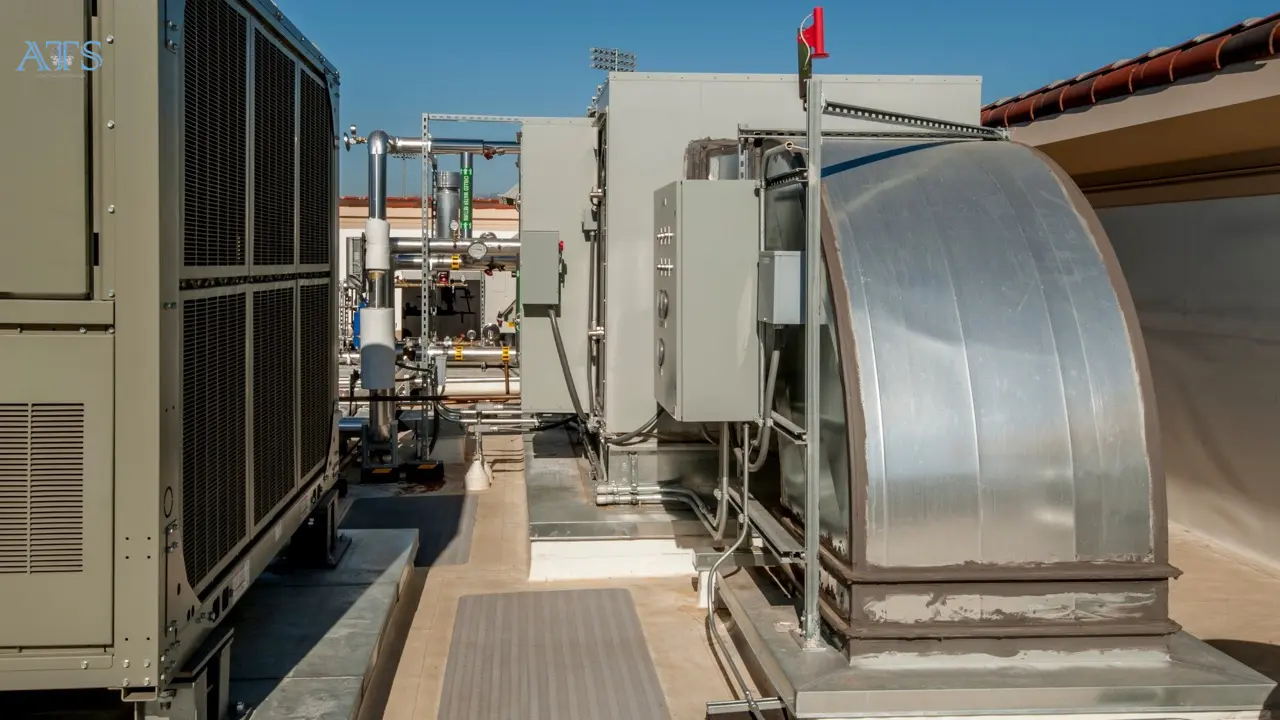
HVAC System Monitoring, Control & Maintenance in Afzali
At Afzali, we don’t just service HVAC systems — we help you take full command of them. Our HVAC System Monitoring, Control & Maintenance solutions are designed for the real challenges of the UAE: extreme heat, critical temperature requirements, and the need for both reliability and energy efficiency. Whether you run a cold storage facility, commercial building, or industrial plant, we deliver smart, responsive systems that work as hard as you do.
What sets us apart is our integrated approach. We combine advanced real-time monitoring, intelligent control systems, and proactive maintenance into one seamless service. You get complete visibility into your HVAC performance, the ability to control it from anywhere, and the confidence that expert technicians are watching your back. Our clients consistently tell us the biggest difference is peace of mind — knowing their systems are optimized, compliant, and running at peak efficiency around the clock.
We understand that every facility is unique. That’s why we don’t offer one-size-fits-all packages. Instead, we create tailored solutions that match your specific operational needs, budget, and long-term goals.
For more information about Afzali’s working process in industrial refrigeration and HVAC System Effectively, please contact us via:
Key Benefits of Choosing Afzali for HVAC Monitoring, Control & Maintenance:
- 24/7 Real-Time Visibility: Monitor temperature, energy usage, equipment health, and performance from your phone or computer — anytime, anywhere.
- Significant Energy Savings: Our intelligent controls and proactive optimizations typically help clients reduce HVAC energy consumption by 15–35%.
- Reduced Downtime: Predictive maintenance catches issues early, minimizing costly breakdowns and protecting your operations.
- Expert Local Support: Our UAE-based team understands local regulations, climate challenges, and the specific needs of cold storage and industrial facilities.
- Seamless Integration: We work with your existing equipment and can integrate with BMS, cold storage systems, and other building technologies.
- Clear Reporting & Compliance: Receive professional reports that make audits easier and prove your commitment to quality and safety standards.
- Dedicated Partnership: We don’t just fix problems — we become your long-term HVAC partner, continuously improving performance and reducing your total cost of ownership.
Ready to take control of your HVAC systems with confidence? Contact Afzali today and let’s build a smarter, more efficient solution tailored for your facility.
No Comments
Sorry, the comment form is closed at this time.