


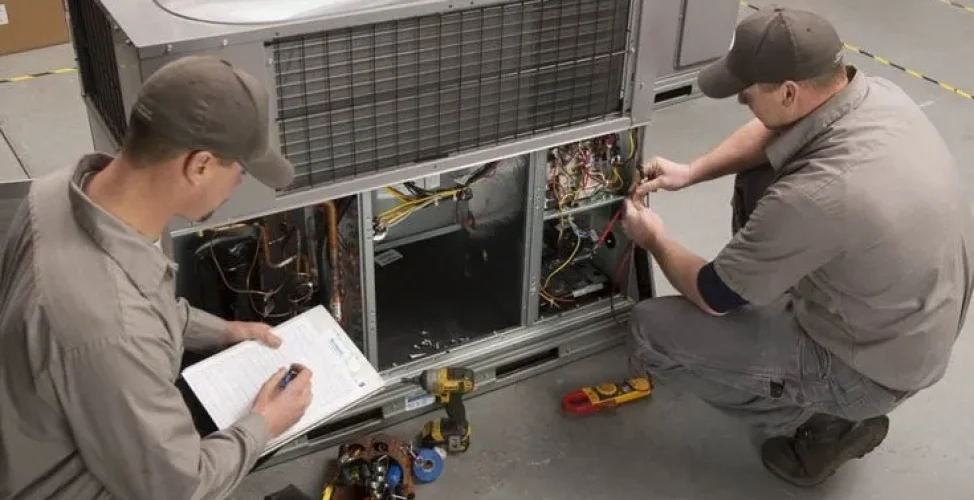
Effective HVAC maintenance is essential for ensuring optimal performance, energy efficiency, and longevity of heating, ventilation, and air conditioning systems. At Afzali, we understand that a well-maintained HVAC system not only reduces operational costs but also enhances indoor air quality and minimizes the risk of unexpected breakdowns. This comprehensive HVAC Maintenance Checklist provides a structured, season-by-season approach to preventive care. Designed for both residential and commercial properties, it outlines essential tasks for facility managers, property owners, and maintenance teams, empowering them to uphold system reliability while complementing professional servicing by qualified technicians.
HVAC Maintenance Checklist, 10 Items
A well-structured preventive maintenance program forms the foundation of reliable HVAC system operation. The following HVAC Preventive Maintenance Checklist highlights ten critical items that every facility manager and property owner should prioritize. These tasks, when performed consistently, help extend equipment lifespan, improve energy efficiency, reduce the likelihood of costly repairs, and maintain superior indoor air quality. At Afzali, we recommend integrating these items into both routine self-checks and scheduled professional service visits. 10 items of HVAC Main
- Inspect and Replace Air Filters: Check filters monthly and replace every 1-3 months to maintain proper airflow and indoor air quality.
- Clean Condenser and Evaporator Coils: Remove dirt, debris, and buildup to ensure efficient heat transfer.
- Check and Clear Condensate Drains: Prevent clogs and water overflow by cleaning drain lines and pans.
- Inspect Electrical Connections and Components: Tighten loose connections and check for signs of wear or overheating.
- Lubricate Moving Parts: Apply lubrication to motors, fans, and bearings to reduce friction and noise.
- Verify Refrigerant Levels: Check for proper charge and look for any signs of leaks.
- Test Thermostat and System Controls: Ensure accurate temperature readings and proper system operation.
- Inspect Ductwork and Vents: Look for leaks, blockages, or dust accumulation in air distribution system.
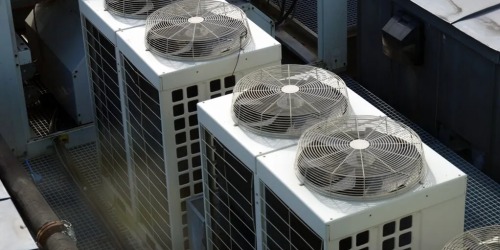
- Check Outdoor Unit Clearance: Ensure the area around the condenser is free of debris, vegetation, and obstructions.
- Perform Overall System Performance Test: Measure temperature differentials, airflow, and efficiency to identify potential issues early.
To receive expert consultation and learn more about HVAC System Monitoring & Maintenance, contact our team via:
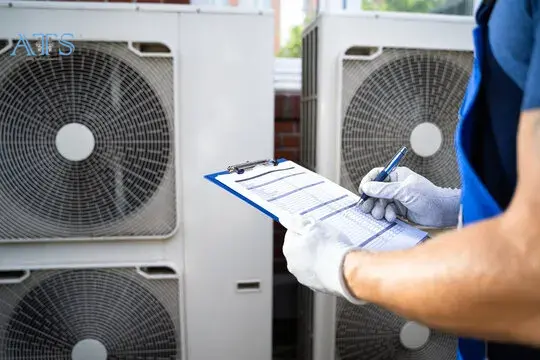
HVAC System Maintenance Across Different Seasons
While the core principles of HVAC maintenance remain consistent year-round, such as regular filter replacement, system inspections, and cleaning, there are distinct seasonal differences in priorities and tasks. These variations arise because HVAC systems work under different loads and environmental conditions throughout the year. Cooling-focused tasks become critical in warmer months, while heating components require more attention in colder periods. A proactive, season-specific approach not only maximizes efficiency but also prevents seasonal breakdowns and extends the overall lifespan of the equipment.
At Afzali, our technical teams tailor maintenance programs based on these seasonal demands to Control an HVAC System Effectively and deliver optimal performance for both commercial and residential clients.
Spring: Preparing for Cooling Season
Spring is the ideal time to transition the system from heating to cooling mode. Key specialized tasks include:
- Thorough cleaning of evaporator and condenser coils to remove winter debris.
- Inspection and flushing of condensate drain lines to prevent algae and bacterial growth.
- Refrigerant level checks and leak detection before peak summer usage.
- Testing thermostat calibration and control sequences for cooling operation.
- Clearing vegetation and debris around the outdoor condenser unit.
Summer: Maintaining Peak Cooling Performance
During the hottest months, the system operates under maximum load. Focus shifts to:
- Frequent air filter inspections and replacements due to higher dust and pollen levels.
- Monitoring for unusual noises, vibrations, or reduced cooling capacity.
- Ensuring proper airflow around the outdoor unit and preventing overheating.
- Checking capacitor and electrical components under high-demand conditions.
- Verifying that the system maintains consistent temperature and humidity control.
Fall: Transitioning to Heating Season
Fall maintenance prepares the system for winter reliability:
- Inspection of heat exchangers for cracks or corrosion.
- Cleaning or servicing of burners and pilot assemblies (for gas-fired systems).
- Humidifier pad replacement or cleaning, along with water supply line checks.
- Ductwork inspection for leaks that could reduce heating efficiency.
- Testing safety controls and carbon monoxide detectors.
Winter: Protecting Against Cold Weather Stress
In winter, the focus is on heating efficiency and freeze protection:
- Regular filter changes to maintain airflow in dry indoor conditions.
- Monitoring for uneven heating or unusual odors.
- Ensuring proper ventilation to prevent combustion issues in gas systems.
- Protecting outdoor units from snow and ice accumulation.
- Checking heat pump performance (if applicable) and defrost cycles.
By addressing these season-specific requirements alongside year-round preventive tasks, facility managers can significantly reduce emergency repairs and energy consumption. Afzali recommends scheduling professional tune-ups in early spring and late fall to bridge seasonal transitions effectively.
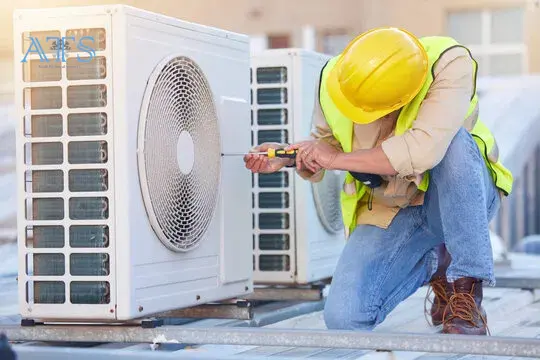
Afzali’s HVAC System Monitoring & Maintenance
In today’s demanding industrial and commercial environments, relying on reactive repairs is no longer sustainable. A minor temperature fluctuation or undetected performance drop can lead to significant downtime, product loss, and unexpected costs. Afzali’s HVAC System Monitoring & Maintenance services deliver a proactive, intelligent solution designed to keep critical systems running at peak efficiency around the clock.
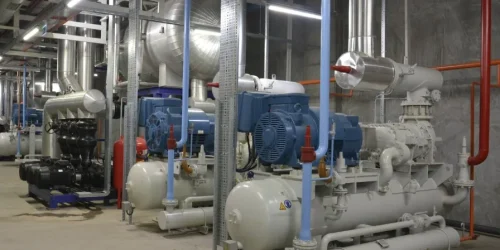
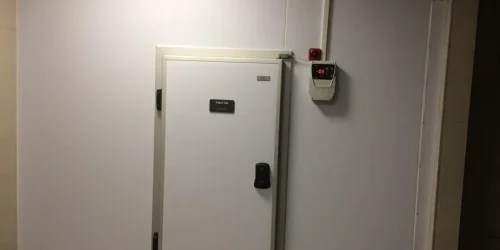
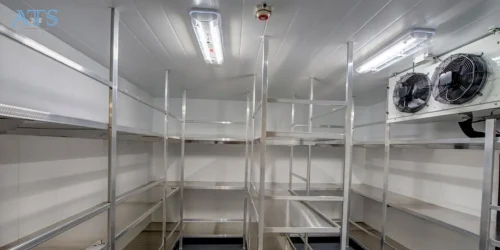
Our integrated approach combines real-time monitoring, advanced automation, and data-driven maintenance strategies. By deploying industrial-grade sensors, secure communication protocols, and sophisticated control platforms, we provide complete visibility into every aspect of your HVAC and refrigeration assets — from compressors and chillers to air handling units and cold rooms. This continuous stream of actionable data enables early detection of anomalies, predictive maintenance planning, and optimized energy consumption without disrupting daily operations.
To receive expert consultation and learn more about HVAC System Monitoring & Maintenance, contact our team via:
Key Capabilities
- Real-Time Monitoring & Alerts: Instant notifications via mobile or central dashboards so issues are addressed before they escalate.
- Predictive Maintenance: Trend analysis and performance diagnostics that turn potential failures into scheduled, low-impact interventions.
- System Integration: Seamless compatibility with both modern and legacy equipment using protocols such as BACnet, Modbus, and PLC-based architectures.
- Energy Optimization: Identification and correction of hidden inefficiencies that quietly inflate operational costs.
- Compliance & Reporting: Comprehensive data logging and audit-ready records to meet regulatory and HACCP requirements.
Whether managing a single facility or multiple sites, these services ensure operational continuity, reduced energy bills, extended equipment lifespan, and greater peace of mind. Backed by experienced engineers and proven technology stacks, including SCADA, Full Gauge Software, and high-precision sensors, the focus remains on delivering measurable results tailored to your specific operational needs.
Ready to move from reactive to proactive management? Our team is equipped to assess your current setup and design a customized monitoring and maintenance program.
No Comments
Sorry, the comment form is closed at this time.