


Mon - Sat 8:00 - 17:30, Sunday - CLOSED
Industrial Refrigeration Contractors
Industrial refrigeration plays a critical role in facilities where precise temperature control, operational reliability, and continuous cooling performance are essential. Unlike standard commercial refrigeration systems, industrial refrigeration requires a detailed engineering approach to meet the specific requirements of large-scale operations, including food processing facilities, cold chain logistics, pharmaceutical environments, and manufacturing industries.
Afzali provides industrial refrigeration and contractors engineering and consulting services in the UAE, supporting projects from system assessment and cooling load analysis to refrigeration system design, equipment selection, control integration, and commissioning. Our approach focuses on developing reliable and energy-efficient refrigeration solutions designed around each facility’s operational requirements, environmental conditions, and long-term performance goals.
Contact our experts directly via email and we will get back to you shortly with the best solutions and competitive prices.
Afzali’s Industrial Refrigeration Installation and Commissioning Services
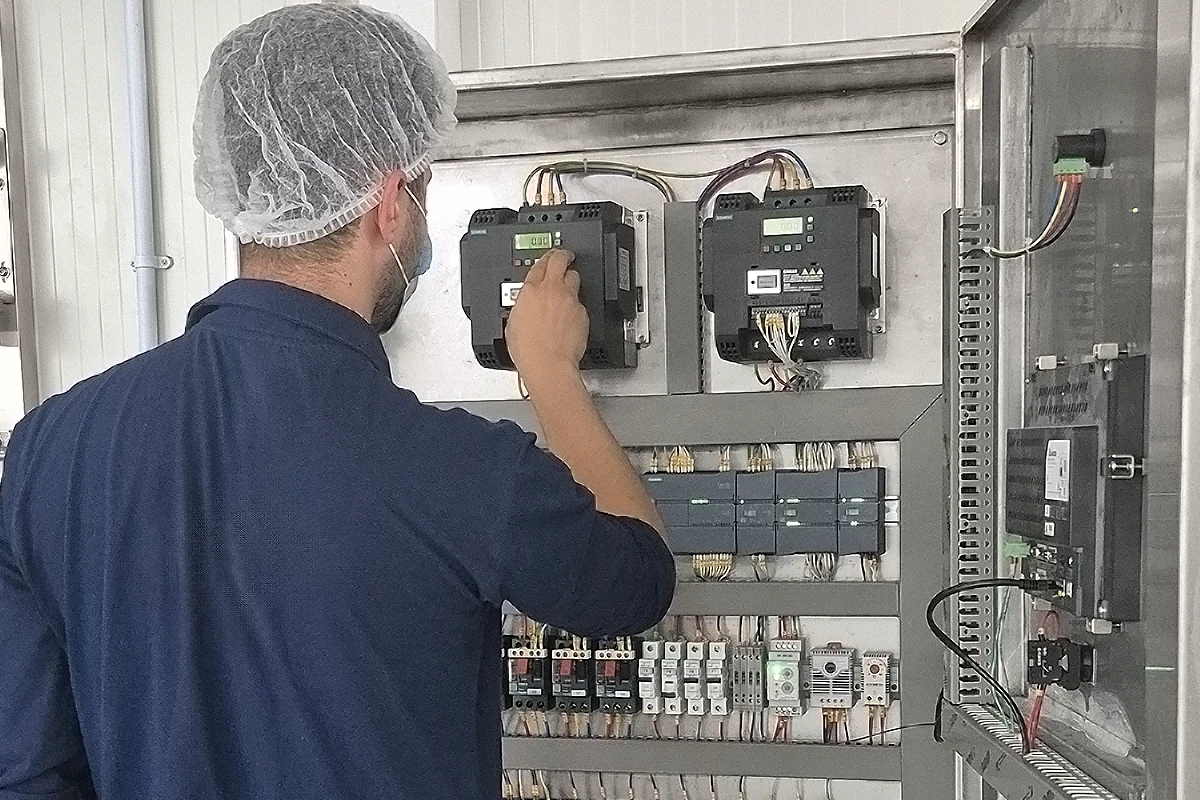
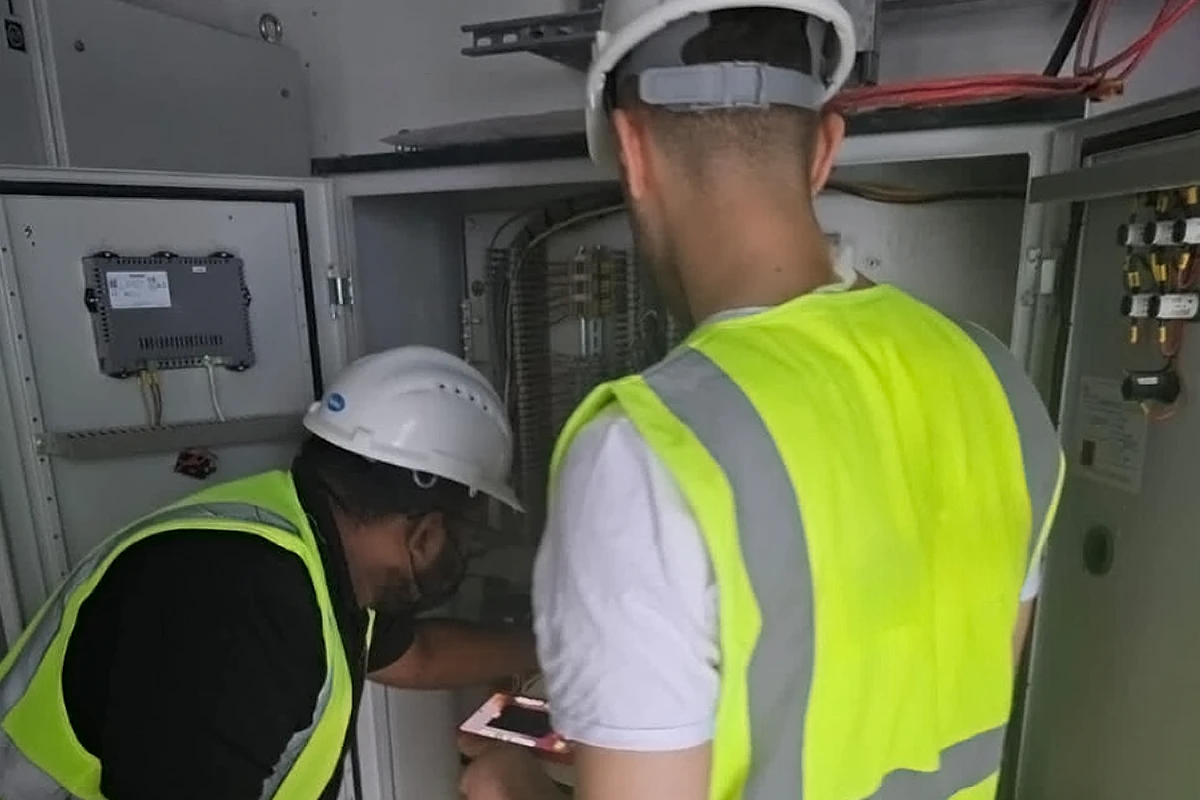
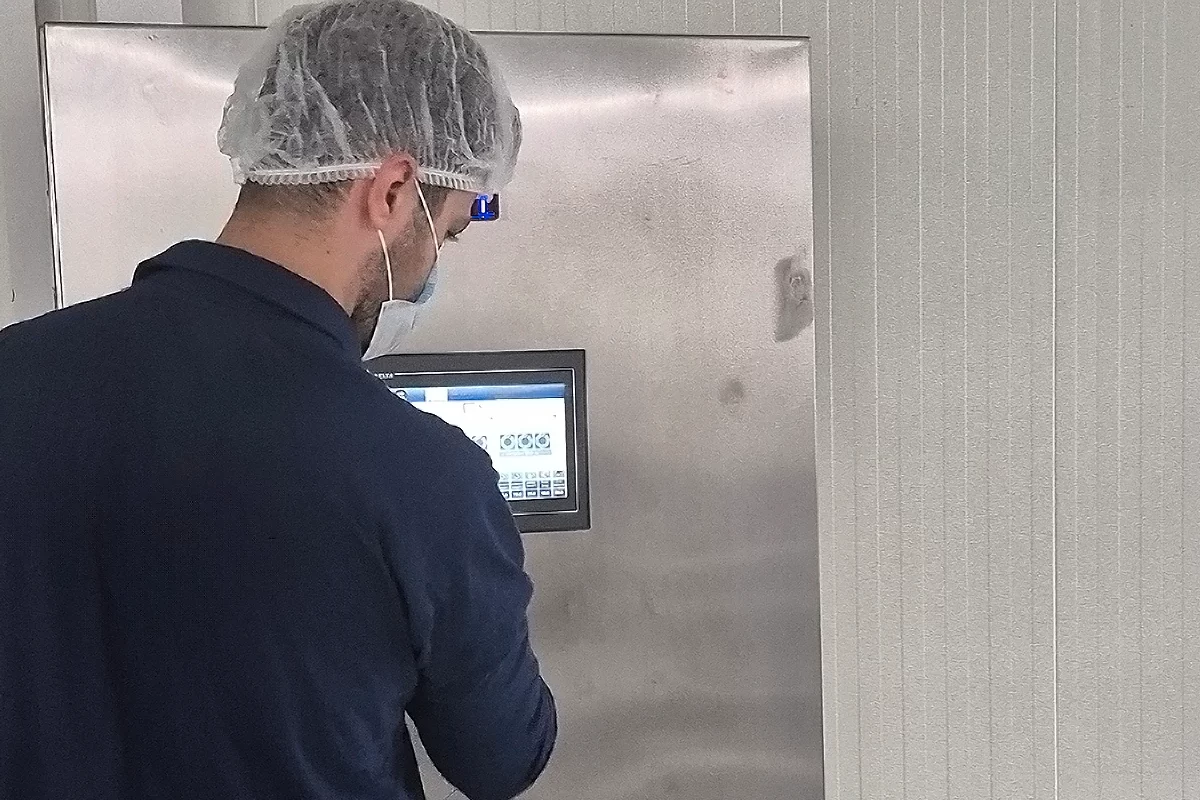
Successful industrial refrigeration projects depend not only on selecting suitable equipment but also on accurate installation, proper system integration, and detailed commissioning. At Afzali, we support industrial refrigeration projects by connecting engineering design with practical implementation, ensuring reliable operation, stable temperature control, and long-term system performance.
Our industrial refrigeration installation and commissioning services cover the essential stages required to bring refrigeration systems into operation, including:
- Equipment Installation Support: Ensuring refrigeration components are installed according to technical specifications, project requirements, and manufacturer guidelines.
- Refrigeration Piping Installation & Inspection: Supporting proper piping arrangement, connection quality, and system integrity to maintain efficient refrigerant flow.
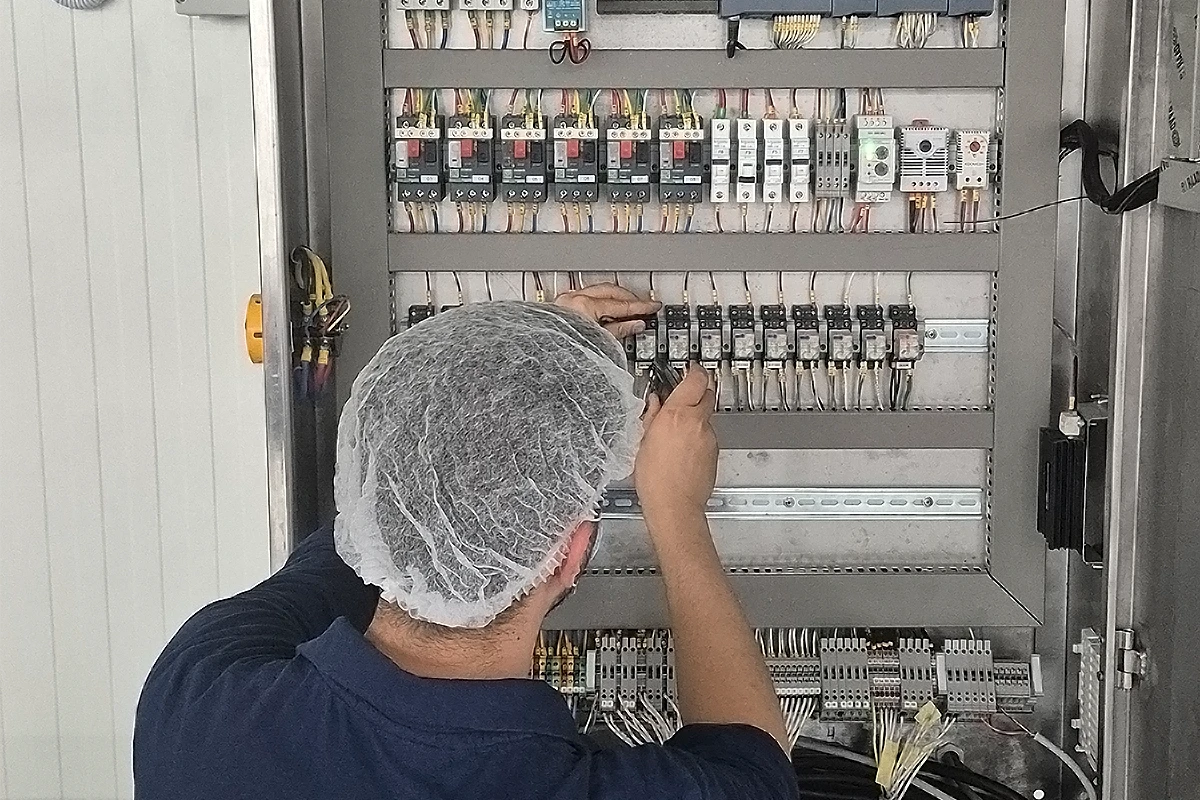
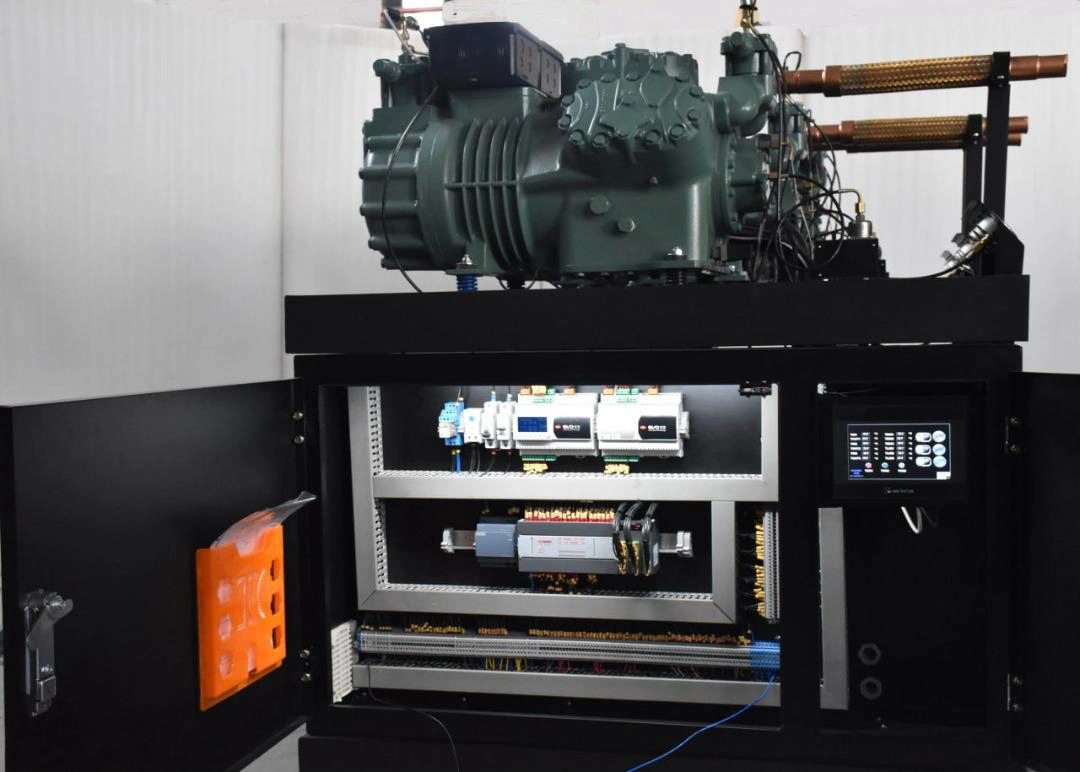
- Electrical & Control System Integration: Connecting refrigeration equipment with control panels, sensors, PLC systems, BMS, and monitoring solutions where required.
- System Testing & Performance Verification: Checking refrigeration performance, temperature stability, safety functions, and operational parameters before handover.
- Commissioning & System Optimization: Fine-tuning system operation, verifying capacity performance, and ensuring the refrigeration system meets the designed requirements.
- Technical Documentation & Handover Support: Providing necessary technical information and operational guidance to support reliable facility management.
During the commissioning stage, Afzali evaluates key system parameters, including cooling performance, temperature consistency, control response, and safety operation. This process helps identify potential issues before full operation and improves the reliability of industrial refrigeration systems.
For expert consultation and detailed information on industrial refrigeration and district cooling, get in touch with our team: +971 50 6348 577 & +971 4 288 6161
Industrial Refrigeration System Design Process
Designing an industrial refrigeration system requires a structured engineering approach that considers the facility requirements, operating conditions, cooling demands, energy efficiency goals, and long-term reliability of the system. At Afzali, the design process goes beyond selecting refrigeration equipment; it focuses on developing a complete solution that is technically suitable, efficient, maintainable, and aligned with the operational needs of each facility.
Our industrial refrigeration system design process includes several critical engineering stages:
1. Facility Assessment and Cooling Requirements Analysis
The first stage of any industrial refrigeration project is understanding the facility and its specific cooling requirements. Our engineering team evaluates key operational factors, including:
- Facility type and application
- Required temperature ranges
- Product or process cooling requirements
- Operating schedule and load variations
- Future expansion requirements
- Site conditions and available utilities
This assessment helps define the correct refrigeration approach and prevents issues caused by inaccurate assumptions during the design stage.
2. Industrial Refrigeration Load Calculation
Accurate cooling load calculation is one of the most important steps in designing an efficient refrigeration system. The required refrigeration capacity is determined by analyzing different heat sources, including:
- Product heat load
- Transmission heat gain through walls and structures
- Internal heat sources from equipment and lighting
- Air infiltration through doors and openings
- Process-related cooling requirements
- Ambient temperature conditions
A correctly calculated refrigeration load helps avoid oversized or undersized systems, improving energy efficiency, reliability, and operating performance.
3. Refrigeration System Architecture and Design
After defining the cooling requirements, the appropriate refrigeration system configuration is developed based on project conditions and performance objectives.
This stage includes:
- Refrigeration cycle selection
- System capacity planning
- Refrigerant evaluation
- Compressor and evaporator configuration
- Piping network design
- Heat rejection strategy
- Equipment arrangement
The final design considers not only initial performance but also maintenance requirements, operational flexibility, and future scalability.
4. Equipment Selection and Engineering Specification
Selecting the right refrigeration components plays a major role in system efficiency and reliability. Afzali evaluates equipment based on technical requirements such as:
- Required cooling capacity
- Operating conditions
- Energy efficiency
- Reliability
- Maintenance accessibility
- Compatibility with the complete system
Typical equipment considerations include:
- Compressors
- Condensing units
- Evaporators
- Refrigeration valves
- Pumps
- Control systems
5. Electrical, Controls and Automation Integration
Modern industrial refrigeration systems require intelligent control strategies to maintain stable operation and optimize energy consumption.
The design process may include:
- PLC-based control systems
- Temperature and pressure monitoring
- Alarm management
- Remote monitoring solutions
- BMS/SCADA integration
- Automated capacity control
Integration of mechanical, electrical, and control systems ensures the refrigeration plant operates as a coordinated and efficient system.
6. Technical Documentation and Design Review
Before implementation, the complete engineering design is reviewed and documented to ensure all system elements are coordinated.
This stage may include:
- Equipment specifications
- Technical drawings
- Refrigeration layouts
- Piping diagrams
- Control philosophy
- Installation requirements
- Commissioning criteria
A detailed design review helps identify potential challenges before installation and supports a smoother execution process.
Industrial Refrigeration Equipment
Designing an efficient industrial refrigeration system requires careful selection and integration of multiple components that work together to provide stable cooling performance, energy efficiency, and reliable operation. At Afzali, refrigeration equipment is selected based on project requirements, cooling capacity, operating conditions, energy goals, and long-term maintenance considerations.
Each component plays a specific role in the refrigeration cycle, and improper equipment selection can lead to higher energy consumption, unstable temperatures, increased maintenance requirements, and reduced system efficiency.
The main equipment used in industrial refrigeration systems includes:
Equipment | Function in Industrial Refrigeration Systems |
Industrial Refrigeration Compressors | Compress refrigerant and maintain the required pressure difference for the refrigeration cycle |
Condensers | Remove heat from the refrigerant and transfer it to the surrounding environment or cooling medium |
Evaporators | Absorb heat from the target area or process and provide the required cooling effect |
Expansion Valves | Control refrigerant flow and regulate pressure before entering the evaporator |
Refrigeration Pumps | Circulate refrigerant or secondary cooling fluids in larger industrial systems |
Control Systems & Sensors | Monitor operating conditions and optimize system performance through automation |
Heat Exchangers | Improve energy efficiency by transferring heat between different system circuits |
Industrial Refrigeration Compressors
Refrigeration compressors are one of the most critical components of an industrial refrigeration system. They are responsible for compressing the refrigerant and driving the refrigeration cycle.
The selection of compressors depends on factors such as:
- Required cooling capacity
- Operating pressure
- Refrigerant type
- Energy efficiency requirements
- Operating hours and load variations
Common industrial compressor types include:
- Screw compressors
- Reciprocating compressors
- Scroll compressors
- Centrifugal compressors for large-scale applications
Condensers
Condensers remove heat absorbed by the refrigerant during the cooling process and release it to the environment.
Proper condenser selection is especially important in regions with high ambient temperatures, such as the UAE, where heat rejection performance directly affects system efficiency.
Common condenser types include:
- Air-cooled condensers
- Water-cooled condensers
- Evaporative condensers
Evaporators
Evaporators are responsible for transferring heat from the cooled space or industrial process into the refrigeration system.
Their design depends on:
- Required temperature range
- Airflow requirements
- Cooling application
- Space conditions
Examples include:
- Air cooling evaporators
- Process cooling evaporators
- Low-temperature evaporators
Refrigeration Controls and Automation
Modern industrial refrigeration systems rely on advanced control solutions to maintain stable operation and reduce energy consumption.
Control systems may include:
- PLC-based controllers
- Temperature and pressure sensors
- Automated capacity control
- Alarm systems
- Remote monitoring platforms
- BMS and SCADA integration
These systems allow operators to monitor performance, identify issues early, and optimize refrigeration efficiency.
Why Afzali?
Trusted industrial refrigeration Consultants

Project Strategy
End-to-end industrial refrigeration

Compliance
HACCP & regulations fully met

Vendor-Neutral
Unbiased recommendations

ROI-Focused
Maximize your investment

Reliability
System reliability and operational stability
Types of Industrial Refrigeration Systems
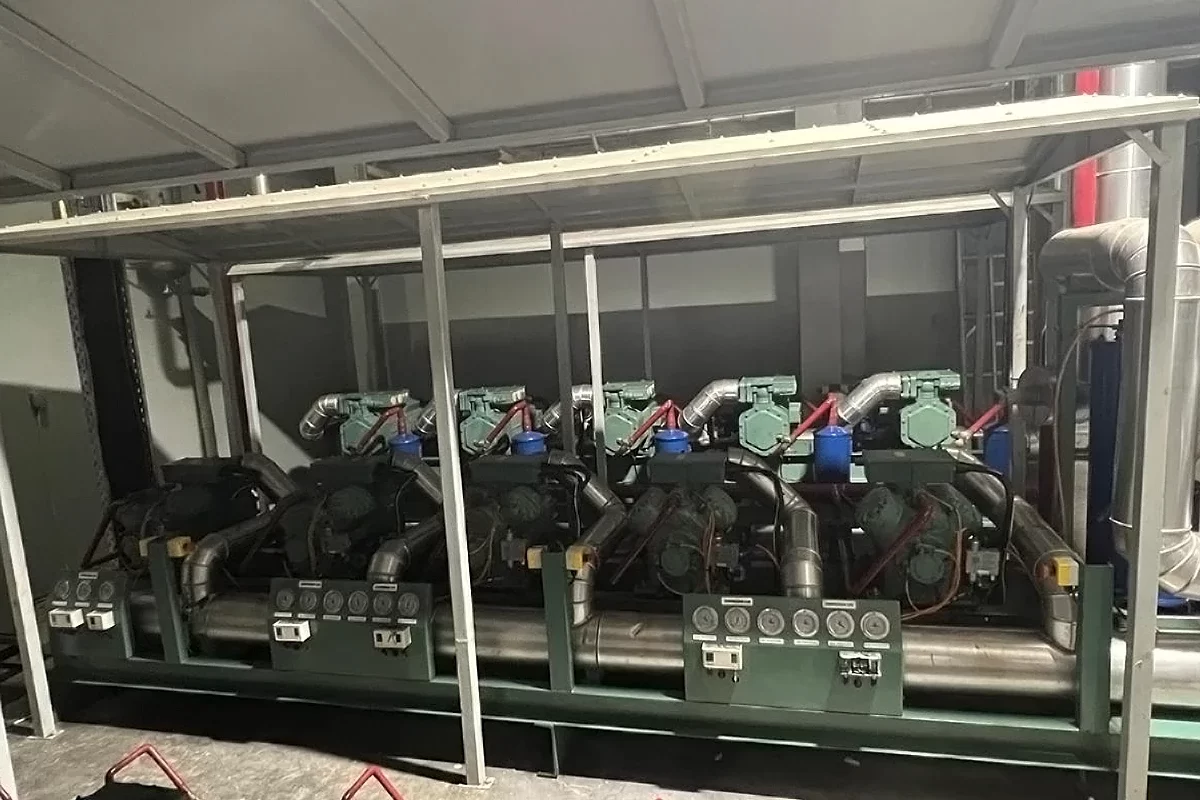
Industrial refrigeration systems are designed based on the required cooling capacity, operating conditions, application type, and efficiency requirements. The most common types of industrial refrigeration systems include ammonia-based systems, CO₂ refrigeration systems, refrigerant-based systems, glycol systems, and central refrigeration systems.
Ammonia Industrial Refrigeration Systems
Ammonia (NH₃) refrigeration systems are widely used in large industrial facilities due to their high efficiency, excellent heat transfer performance, and suitability for continuous operation. They are commonly applied in food processing, cold chain, and large-scale industrial cooling projects.
CO₂ Refrigeration Systems
CO₂ (R744) refrigeration systems are increasingly used in industrial applications due to their low environmental impact and high efficiency in suitable operating conditions. These systems are often considered for modern refrigeration projects where sustainability and energy performance are important.
Freon-Based Industrial Refrigeration Systems
Freon-based systems use synthetic refrigerants and are commonly applied in various commercial and industrial applications. The selection of refrigerant type depends on project requirements, regulations, efficiency targets, and operating conditions.
Glycol-Based Refrigeration Systems
Glycol refrigeration systems use a secondary cooling fluid to distribute cooling throughout a facility. They are often used where stable temperature control, flexible distribution, and reduced refrigerant circulation are required.
Central Industrial Refrigeration Systems
Central refrigeration systems combine multiple refrigeration components into a coordinated plant designed to serve large facilities. These systems allow better capacity management, improved monitoring, and optimized energy performance for industrial operations.
At Afzali, the selection of an industrial refrigeration system is based on detailed engineering analysis, including cooling requirements, facility conditions, energy efficiency goals, and long-term operational performance.
Energy-Efficient Industrial Refrigeration Solutions
Energy efficiency is a key consideration in modern industrial refrigeration systems, as refrigeration plants often represent a significant part of a facility’s energy consumption. At Afzali, energy optimization is achieved through proper system design, efficient equipment selection, advanced controls, and continuous performance monitoring.
Key strategies for improving industrial refrigeration efficiency include:
- Accurate Refrigeration Load Calculation
Designing the system based on real cooling requirements to prevent oversized or inefficient refrigeration capacity. - High-Efficiency Equipment Selection
Choosing compressors, condensers, evaporators, and control components based on performance requirements and energy targets. - Optimized System Design
Developing efficient refrigeration layouts, piping arrangements, and equipment configurations to reduce operational losses. - Variable Speed Drive (VSD) Technology
Adjusting compressor and motor operation according to actual cooling demand to reduce unnecessary energy consumption. - Advanced Control and Automation Systems
Using PLC, BMS, SCADA, and smart monitoring solutions to optimize system operation and identify performance issues. - Heat Recovery Solutions
Recovering waste heat from refrigeration systems for other facility requirements where applicable. - Optimized Condensing Pressure Control
Improving condenser operation to maintain efficiency, especially under changing ambient conditions. - Regular Performance Monitoring and Maintenance
Tracking system performance and maintaining equipment to ensure long-term efficiency and reliability.
Industrial Refrigeration Contractors for UAE Climate Conditions
Industrial refrigeration systems in the UAE must be designed to operate reliably under high ambient temperatures, demanding operating conditions, and continuous cooling requirements. Unlike moderate climates, hot and humid environments increase the thermal load on refrigeration equipment, especially compressors and condensers, making proper system design and equipment selection essential for maintaining stable performance.
Key design considerations for industrial refrigeration systems in the UAE include:
- High-Ambient Temperature Design
Refrigeration systems must be selected and sized to maintain performance during extreme summer conditions when outdoor temperatures significantly increase the workload of heat rejection components. - Proper Condenser Selection and Heat Rejection Management
Condensers play a critical role in hot climates because higher ambient temperatures make heat rejection more challenging. Proper condenser sizing and selection help maintain efficient operation and prevent excessive compressor stress. - Accurate Cooling Load Calculation
UAE refrigeration projects require careful evaluation of heat gains from ambient conditions, building envelope, product loads, door openings, and internal heat sources to ensure the system capacity matches actual operational requirements. - Energy-Efficient Equipment Selection
High-efficiency compressors, optimized refrigeration components, and advanced control systems help reduce energy consumption while maintaining reliable cooling performance during continuous operation. - Refrigeration System Monitoring and Control
Smart monitoring solutions, including PLC, BMS, and remote monitoring systems, allow operators to track performance, detect operational issues, and optimize energy usage. - Dust, Maintenance and Environmental Considerations
Industrial refrigeration equipment in the UAE requires proper maintenance planning due to environmental factors such as dust accumulation and high operating stress, which can affect heat exchangers and system efficiency.
Industrial Refrigeration Monitoring Contractors
Modern industrial refrigeration monitoring systems help facilities maintain stable operation, improve energy efficiency, and identify potential issues before they affect production or storage conditions. By collecting real-time data from refrigeration equipment, monitoring platforms provide better visibility into system performance and support proactive maintenance decisions. PLC, SCADA and BMS-based solutions are commonly used to supervise refrigeration parameters, manage alarms, and analyze operational data.
At Afzali, industrial refrigeration monitoring solutions can be integrated with refrigeration systems to provide centralized supervision and improved operational control.
Contact Afzali for a Technical Supervision & QA Proposal.
Key monitoring capabilities include:
- Temperature and Pressure Monitoring
Continuous tracking of critical operating parameters to maintain stable refrigeration performance. - Equipment Performance Monitoring
Monitoring compressors, condensers, evaporators, pumps, and other refrigeration components to identify abnormal operation. - Alarm Management
Detecting and reporting system faults, temperature deviations, and operational issues before they lead to major failures. - Energy Performance Analysis
Reviewing system data to identify inefficiencies and optimize refrigeration energy consumption. - Remote Monitoring and Control
Providing operators with access to system status and performance information through centralized monitoring platforms. - PLC, SCADA and BMS Integration
Connecting refrigeration systems with automation platforms for better control, visualization, and data management.
Through intelligent monitoring and control solutions, Afzali helps industrial facilities improve refrigeration reliability, reduce operational risks, and achieve more efficient long-term system performance across the UAE.
Why Choose Afzali for Industrial Refrigeration?
Selecting the right partner for an industrial refrigeration project is essential to ensure system reliability, energy efficiency, and long-term operational performance. At Afzali, we combine industrial refrigeration engineering expertise, HVAC knowledge, and smart control capabilities to develop solutions that are designed around each facility’s specific requirements.
Our approach focuses on understanding the operational needs of each project, selecting suitable refrigeration technologies, and supporting the complete lifecycle of the system from engineering and design to installation support, commissioning, and performance optimization.
Ready to de-risk your next industrial cooling investment?
Contact Afzali’s expert hvac consultants today and receive strategic guidance tailored to your business.
Frequently Asked Questions
How is the required cooling capacity of an industrial refrigeration system calculated?
Cooling capacity is determined by calculating all relevant heat loads, including product load, transmission through the building envelope, infiltration, process loads, lighting, people, motors, defrost, and ambient conditions. Diversity, operating profile, pull-down time, and future capacity requirements should also be considered before selecting equipment.
What determines the correct evaporating and condensing temperatures in an industrial refrigeration system?
Evaporating temperature is selected according to the required product or process temperature and the necessary temperature difference across the evaporator. Condensing temperature depends mainly on the heat-rejection method and ambient conditions. Excessively low evaporating temperatures or unnecessarily high condensing temperatures increase compressor lift and reduce system efficiency.
How do engineers select the appropriate refrigerant for an industrial refrigeration system?
Refrigerant selection should consider operating temperature, system capacity, efficiency, safety classification, material compatibility, environmental regulations, equipment availability, maintenance capability, and lifecycle cost. Ammonia, CO₂, HFC/HFO refrigerants, and secondary fluids may be suitable for different industrial applications.
What is superheat and why is it important in industrial refrigeration?
Superheat is the temperature difference between refrigerant vapor and its saturation temperature at the same pressure. Proper superheat helps ensure vapor reaches the compressor without excessive liquid carryover while maintaining effective evaporator utilization. Incorrect superheat can reduce capacity, efficiency, or compressor reliability.