


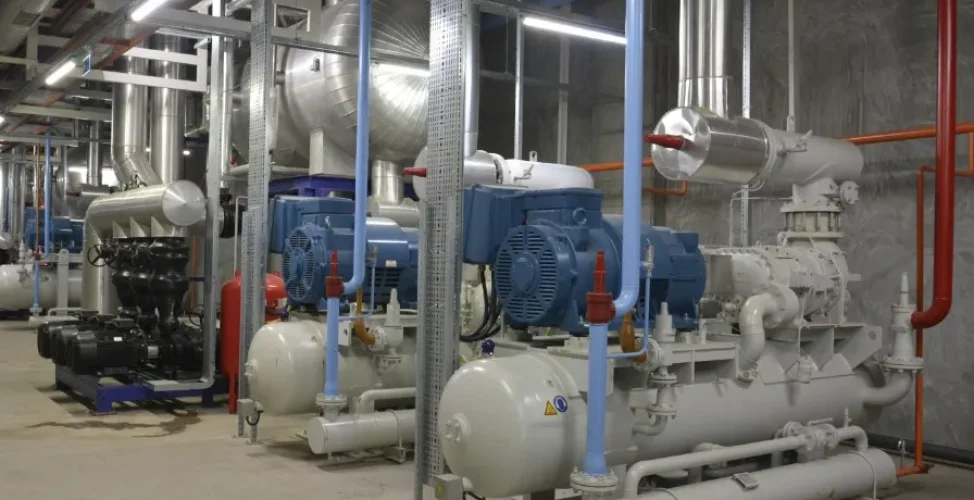
Ammonia (NH₃) is widely used in industrial refrigeration and cold storage because of its high cooling efficiency, but it can become extremely dangerous when released into the surrounding environment. Exposure to concentrated ammonia can severely irritate or burn the eyes, skin, throat, and respiratory system, while high levels of inhalation may cause serious lung injury and, in extreme cases, death. Direct contact with liquid ammonia can also cause chemical burns and frostbite.
Understanding ammonia dangers is especially important in cold storage facilities, food processing plants, refrigeration machinery rooms, and other industrial environments where large quantities of ammonia may be present. The severity of an incident depends on factors such as ammonia concentration, exposure duration, ventilation, and the route of exposure. In this guide, we examine the main dangers of ammonia, how exposure can affect the human body, the risks associated with ammonia leaks, and the safety measures that can help reduce the likelihood and severity of an accident.
For consultation, call us at .
Ammonia Dangers in Industrial Refrigeration Systems
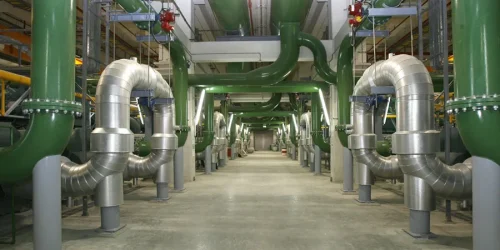
Ammonia refrigeration systems can become dangerous when leaks, pressure failures, damaged components or poor ventilation allow NH₃ to escape. Because industrial systems contain significant amounts of ammonia under pressure, even a localized failure can quickly create a serious risk for workers and the facility.
Ammonia Leaks and Pressure Failures
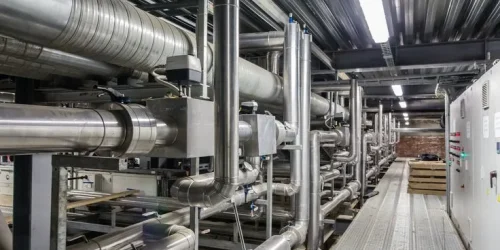
Corroded pipes, damaged valve seals, faulty fittings and poor maintenance are common causes of ammonia leaks. Another risk occurs when liquid ammonia becomes trapped between closed valves. As its temperature rises, the liquid expands and can create excessive pressure, potentially damaging piping or equipment.
Hydraulic Shock and Equipment Damage
Industrial ammonia systems can also experience hydraulic shock, particularly during sudden operating changes or hot-gas defrost cycles. Rapid movement of liquid refrigerant can generate strong pressure forces inside the piping, potentially damaging valves, fittings and pipes and causing an ammonia release.
Worker Exposure During an Ammonia Leak
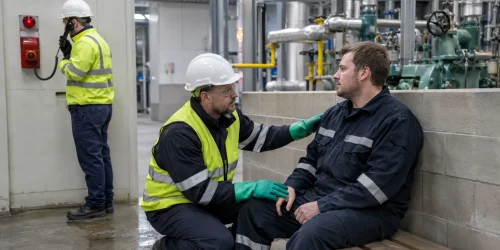
An ammonia leak can quickly affect workers in machinery rooms and other enclosed spaces. High concentrations may cause severe irritation or injury to the eyes, skin and respiratory system. Poor ventilation increases the risk because ammonia can accumulate faster than it can be safely removed.
Reducing Ammonia Risks in Refrigeration Systems
The main controls include reliable leak detection, emergency ventilation, pressure-relief devices, preventive maintenance and regular inspection of piping, valves and refrigeration equipment. Clear emergency procedures and trained personnel are also essential for limiting the consequences of a leak.
For more information about how NH₃ is used in large cooling plants, see Afzali’s Ammonia Refrigeration System guide.
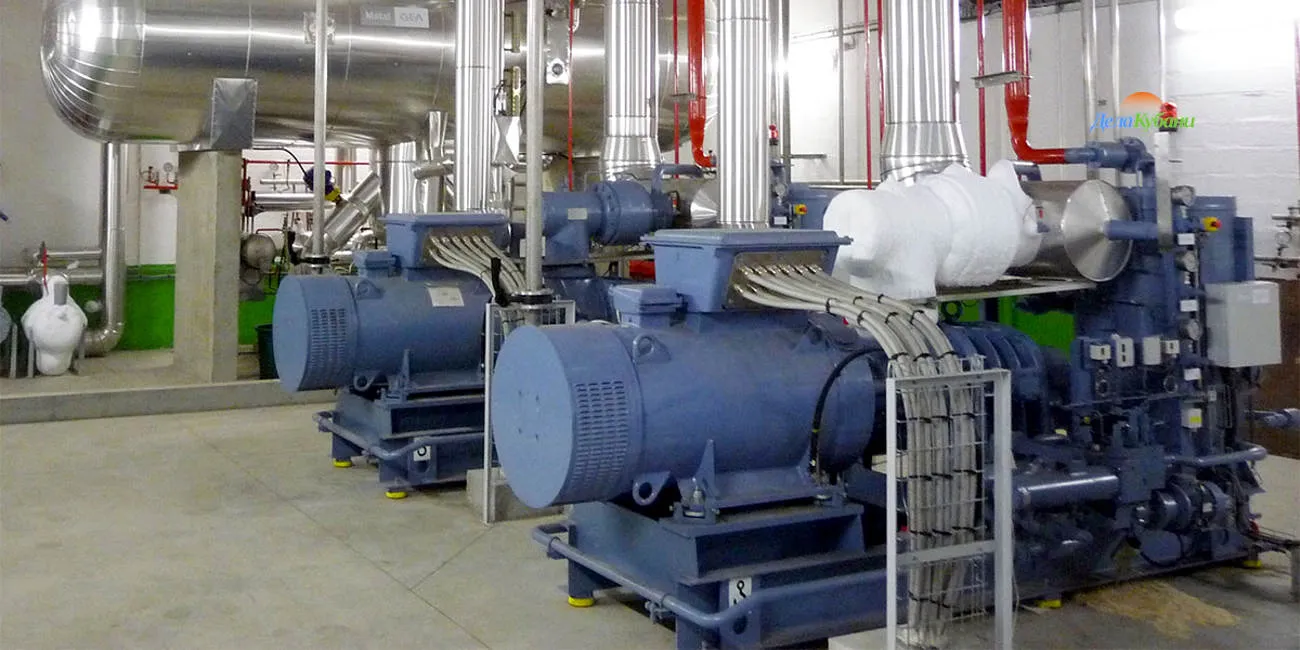
What Makes an Ammonia Leak Dangerous?
An ammonia leak can become dangerous very quickly, especially in industrial refrigeration plants and enclosed machinery rooms. The main risks are:
- Toxic inhalation: High concentrations of ammonia can severely damage the nose, throat and lungs. OSHA considers exposure to 300 ppm immediately dangerous to life and health.
- Eye and skin burns: Ammonia is highly corrosive and can cause serious chemical burns to the eyes and skin. Liquid ammonia may also cause frostbite because it evaporates rapidly at very low temperatures.
- Rapid release from pressurized systems: Industrial refrigeration systems operate under pressure, so a damaged pipe, valve or vessel can release a large amount of ammonia within a short time.
- Higher risk in enclosed spaces: In machinery rooms or poorly ventilated areas, ammonia can reach hazardous concentrations before it is safely removed.
- Fire and explosion risk: Although ammonia is not easily ignited, high concentrations in air can become flammable, particularly in enclosed spaces where an ignition source is present.
- Equipment and production shutdown: A major leak can require emergency evacuation, shutdown of refrigeration equipment and interruption of facility operations.
- Delayed detection increases severity: Small leaks caused by corrosion, damaged seals or fittings can become more serious if leak detection and routine inspection are inadequate.
In industrial refrigeration facilities, early leak detection, effective ventilation and proper maintenance are therefore critical for limiting the consequences of an ammonia release.
Ammonia Safety in UAE Cold Storage and Industrial Facilities
In UAE cold storage and industrial facilities, ammonia systems should be designed and operated in line with applicable occupational safety, Civil Defense and local authority requirements. The main safety priorities are:
- Fixed ammonia leak detection: Detectors should provide early warning before concentrations become dangerous.
- Emergency ventilation: Machinery rooms need effective ventilation to remove released ammonia and limit accumulation.
- Emergency shutdown and isolation: Operators should be able to stop or isolate affected equipment without entering a contaminated area.
- Pressure-relief protection: Refrigeration piping and vessels must be protected against excessive pressure and trapped liquid expansion.
- Safe machinery-room access: Access should be controlled, clearly marked and restricted during a leak or emergency.
- PPE and emergency equipment: Suitable respiratory protection, chemical-resistant PPE, eyewash stations and safety showers should be available where required.
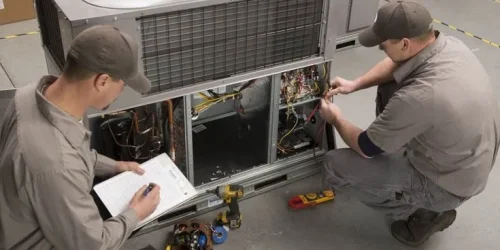
- Inspection and preventive maintenance: Compressors, valves, pipework, detectors and safety devices should be inspected regularly.
- Emergency procedures and staff training: Workers should know evacuation routes, alarm signals, assembly points and how to respond to an ammonia release.
In the UAE, safety requirements may differ depending on the emirate, facility type and approving authority. For a broader overview of refrigeration safety, ventilation, detection and compliance considerations, see Afzali’s UAE Cold Storage Standards guide.
For consultation, call us at .
Frequently Asked Questions
How dangerous is ammonia to humans?
Ammonia can be highly dangerous at elevated concentrations. It can irritate or burn the eyes, skin and respiratory system, while severe exposure may cause serious lung injury or death.
What happens if you breathe in ammonia?
Breathing ammonia can cause coughing, throat and nose irritation, chest discomfort and difficulty breathing. Higher exposure levels may damage lung tissue and require emergency medical treatment.
Can ammonia exposure be fatal?
Yes. Exposure to very high concentrations of ammonia can cause severe respiratory injury and may be fatal, especially in enclosed or poorly ventilated spaces.
Can ammonia damage the eyes?
Yes. Ammonia can cause severe eye irritation, chemical burns and, in serious exposures, temporary or permanent vision damage.
Can you rely on ammonia smell to detect a leak?
No. Ammonia has a strong, recognizable odor, but smell should never replace a fixed ammonia detection system. Prolonged exposure may also reduce a person’s ability to detect the odor reliably.
What should you do if an ammonia leak occurs?
Leave the affected area immediately, follow the facility’s emergency procedure and do not enter a contaminated area without proper training and protective equipment. For exposure-specific guidance, see Afzali’s Ammonia First Aid in Cold Storage guide.
How can ammonia leaks be detected?
Industrial facilities should use fixed ammonia detectors connected to alarms and, where required, ventilation or emergency control systems. Regular inspection of valves, pipes and equipment also helps identify developing leaks.
Is ammonia refrigeration safe?
Yes, when the system is properly designed, installed, monitored and maintained. Leak detection, ventilation, pressure protection, preventive maintenance and trained personnel are essential for safe operation. For more information, see Afzali’s Ammonia Refrigeration System guide.
No Comments
Sorry, the comment form is closed at this time.