


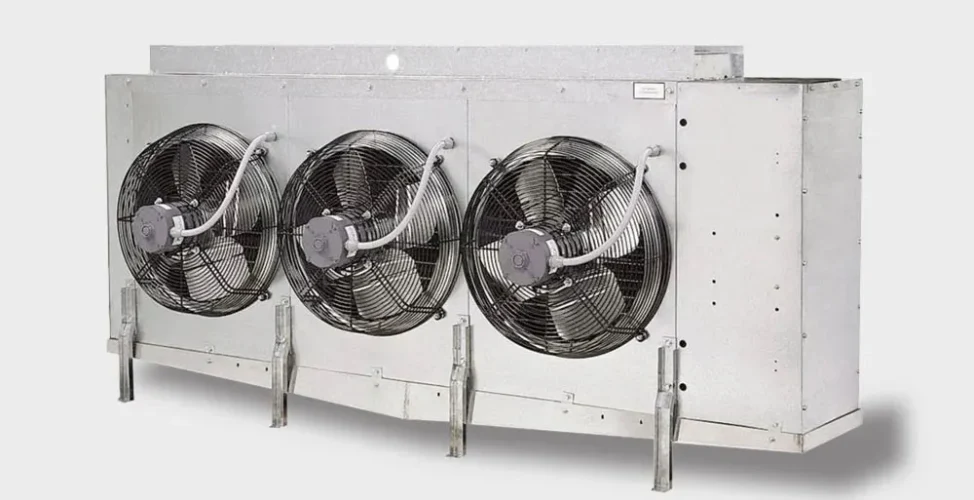
Role of Evaporator in Industrial Refrigeration is fundamental to the efficiency, stability, and reliability of modern cooling systems. The evaporator acts as the primary heat absorption component, removing heat from the process, product, or surrounding environment while allowing the refrigerant to evaporate under controlled operating conditions. This process ensures consistent cooling performance and supports the overall efficiency of the refrigeration cycle.
Understanding how the evaporator operates, interacts with other refrigeration components, and influences system efficiency is essential for engineers, system designers, and industrial operators. In advanced industrial refrigeration applications, proper evaporator selection, installation, and maintenance directly impact energy consumption, operational costs, cooling performance, product quality, and long-term system reliability.
The Refrigeration Cycle and the Role of the Evaporator
Industrial refrigeration systems operate based on a closed thermodynamic loop known as the refrigeration cycle. This cycle enables the continuous transfer of heat from a low‑temperature environment to a higher‑temperature sink using a circulating refrigerant. Within this process, each component compressor, condenser, expansion valve, and evaporator—performs a specific function that allows the system to maintain controlled cooling conditions in industrial facilities.
Among these components, the evaporator is the part where actual cooling takes place. It is inside the evaporator that the refrigerant absorbs heat from the surrounding environment or process fluid and changes phase from liquid to vapor. Because of this critical function, understanding the evaporator’s role within the refrigeration cycle is essential for designing efficient and reliable industrial refrigeration systems.
Main Components of the Refrigeration Cycle
The refrigeration cycle consists of four primary components that work together to move heat from one place to another. The cycle begins at the compressor, where low‑pressure refrigerant vapor is compressed into a high‑pressure, high‑temperature state. This compressed vapor then flows into the condenser, where heat is released to the surrounding environment and the refrigerant condenses into a liquid.
After leaving the condenser, the high‑pressure liquid refrigerant passes through the expansion valve. In this stage, the pressure of the refrigerant is suddenly reduced, causing part of the liquid to flash into vapor and significantly lowering its temperature. The cold refrigerant mixture then enters the evaporator, where it is ready to absorb heat and continue the refrigeration process.
The Role of the Evaporator in the Cooling Process
The evaporator is the component responsible for absorbing heat from the space, product, or fluid that needs to be cooled. Inside the evaporator, the low‑pressure refrigerant absorbs thermal energy from the surrounding medium and gradually evaporates. This phase change from liquid to vapor allows the refrigerant to remove large amounts of heat efficiently.
As the refrigerant evaporates, the temperature of the surrounding air or process fluid decreases, creating the cooling effect required in industrial refrigeration applications. The evaporated refrigerant vapor then returns to the compressor to repeat the cycle, making the evaporator a continuous heat‑absorbing unit within the system.
Importance of the Evaporator in System Performance
The performance of an industrial refrigeration system is highly dependent on the design and operation of the evaporator. A well‑designed evaporator provides sufficient heat transfer surface area, proper refrigerant distribution, and stable evaporation conditions. These factors help ensure that the refrigerant fully evaporates while maximizing cooling capacity.
If the evaporator is improperly designed or selected, the system may experience reduced efficiency, uneven cooling, or increased energy consumption. Therefore, optimizing the evaporator within the refrigeration cycle plays a major role in improving system efficiency, maintaining temperature stability, and reducing operational costs in industrial refrigeration applications.
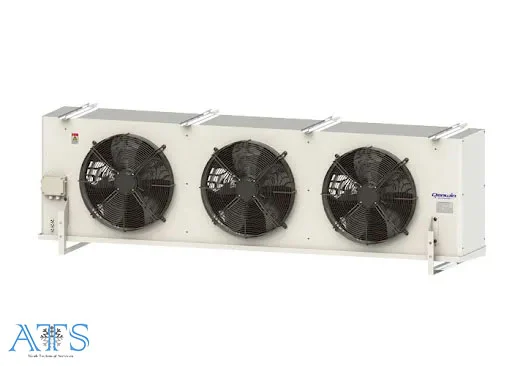
Heat Transfer Mechanism in Industrial Evaporators
Heat transfer is the fundamental process that enables an evaporator to perform its cooling function in industrial refrigeration systems. The efficiency of an evaporator is directly related to how effectively it can transfer heat from the process medium—whether air, water, or another fluid—to the circulating refrigerant. In industrial environments where thermal loads are high and operating conditions are demanding, understanding the heat transfer mechanism inside the evaporator is essential for achieving stable and energy‑efficient performance.
In industrial evaporators, heat transfer typically occurs through a combination of conduction, convection, and phase change. The process begins when thermal energy moves from the warmer medium to the evaporator surface, passes through the heat exchange material, and finally reaches the refrigerant. The refrigerant then absorbs this energy and evaporates, completing the primary cooling function of the system.
Heat Transfer Between the Process Medium and the Evaporator Surface
The first stage of heat transfer takes place between the process medium and the external surface of the evaporator. In air‑cooling applications, fans force air across finned coils to enhance convective heat transfer. In liquid‑cooling systems, such as chillers, water or brine flows through or around heat exchanger tubes, allowing thermal energy to move toward the evaporator surface.
The rate of heat transfer at this stage depends on several factors, including temperature difference, flow velocity, surface area, and material conductivity. Increasing the effective heat exchange surface through fins, enhanced tube designs, or optimized flow patterns significantly improves the evaporator’s ability to absorb heat under industrial operating conditions.
Refrigerant Evaporation and Latent Heat Absorption
Once heat reaches the inner surface of the evaporator tubes or plates, it is transferred to the refrigerant. At this stage, the refrigerant undergoes a phase change from liquid to vapor at a controlled low pressure. This phase transition allows the refrigerant to absorb a large amount of energy in the form of latent heat without a significant rise in temperature.
The efficiency of this evaporation process depends on proper refrigerant distribution, stable pressure control, and uniform flow across the heat exchange surface. Uneven refrigerant flow or inadequate superheat control can reduce heat transfer efficiency and negatively impact overall system performance. Therefore, optimizing refrigerant evaporation is a key factor in improving energy efficiency and maintaining consistent cooling capacity in industrial refrigeration systems.
Find Out more: HVAC consultants and industrial refrigeration and contractors
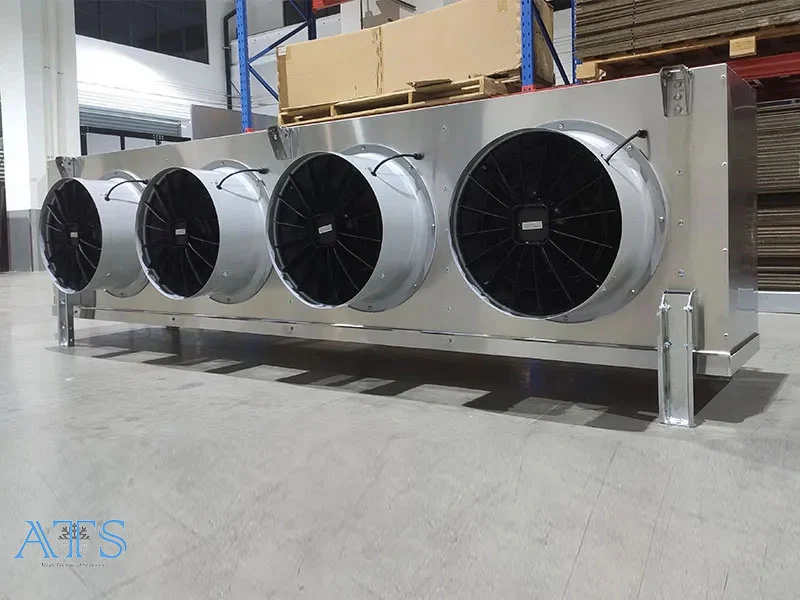
Impact of Evaporator Design on Energy Efficiency
The design of an industrial evaporator plays a decisive role in determining the overall energy efficiency of a refrigeration system. Every structural aspect—from geometry and material selection to refrigerant distribution—affects how effectively the evaporator can absorb heat under varying load conditions. As industrial facilities move toward lower operating costs and higher sustainability standards, optimizing evaporator design has become a critical engineering priority.
A well‑engineered evaporator minimizes thermal resistance, ensures uniform refrigerant flow, and maximizes the effective heat transfer surface. These factors directly contribute to reducing compressor workload, stabilizing system operation, and lowering energy consumption. Poor evaporator design, on the other hand, can lead to pressure drops, refrigerant maldistribution, reduced capacity, and elevated operating costs throughout the refrigeration system.
Geometric Design and Heat Exchange Surface
The geometry of an evaporator, including tube arrangement, fin density, and overall surface area, significantly influences heat transfer efficiency. Increasing the heat exchange surface—through optimized fin spacing, enhanced tube designs, or microchannel structures—allows more thermal energy to be absorbed in a shorter time. This reduces the need for excessive compressor operation and improves the system’s energy performance.
Additionally, the choice of materials affects both heat conductivity and long‑term durability. Copper and aluminum are common due to their high thermal conductivity, while stainless steel is often used in corrosive or sanitary environments. Selecting the right material and geometric layout ensures the evaporator maintains high heat transfer rates while minimizing energy losses over the system’s operational lifespan.
Effect of Refrigerant Distribution and Flow Control on Energy Consumption
Uniform refrigerant distribution inside the evaporator is essential for maximizing energy efficiency. If refrigerant flow is uneven, some sections of the evaporator will remain inactive, reducing the effective heat exchange area. This forces the compressor to work harder to meet cooling demand, increasing power consumption and reducing the overall efficiency of the system.
Flow control devices, distributor design, and proper superheat adjustments play key roles in maintaining stable and balanced refrigerant flow. When these elements are optimized, the evaporator operates at peak performance with minimal energy waste. In contrast, poor distribution can cause liquid floodback, insufficient evaporation, or excess superheat all of which negatively impact energy use. Effective flow control is therefore a critical factor in building energy‑efficient industrial refrigeration systems.
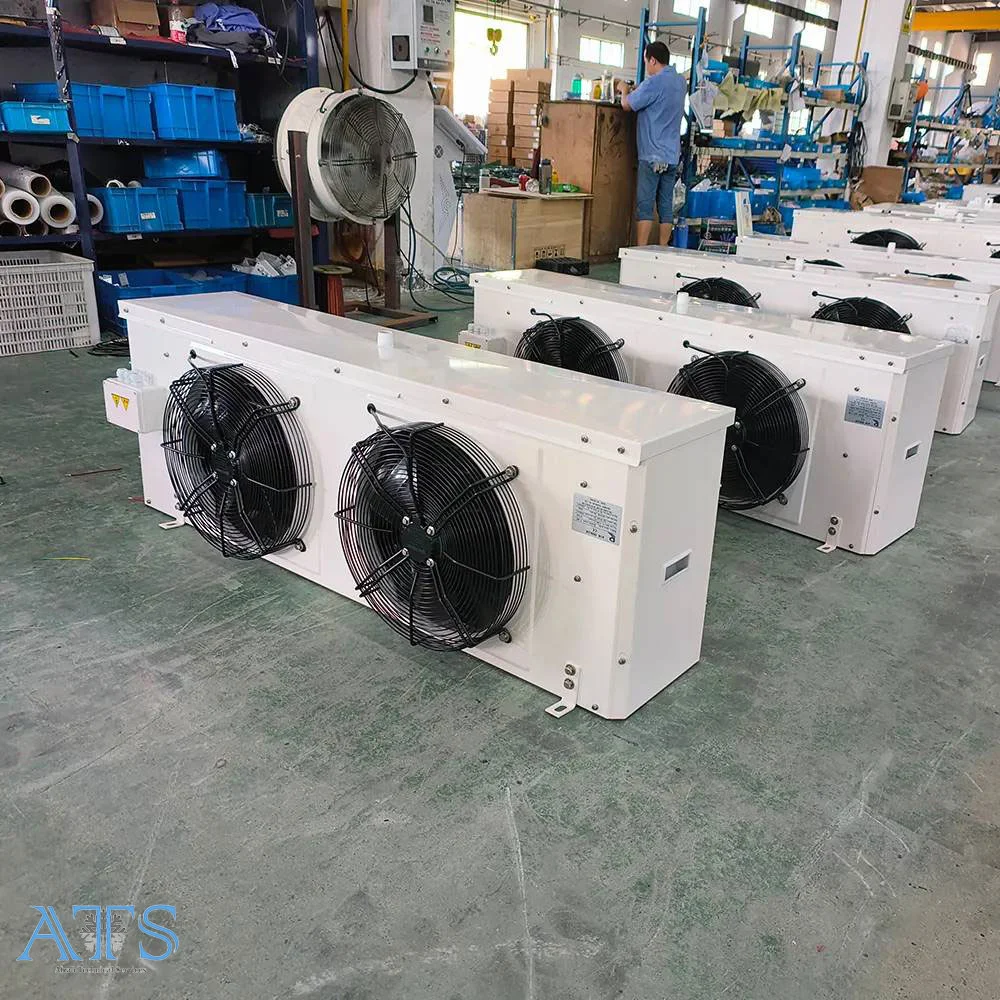
Key Criteria for Selecting an Industrial Evaporator
Selecting the appropriate evaporator is a critical step in designing an efficient and reliable industrial refrigeration system. The evaporator must be capable of handling the required cooling load while maintaining stable operating conditions and minimizing energy consumption. Engineers typically evaluate several technical and operational factors to ensure that the selected evaporator matches the process requirements and environmental conditions of the facility.
An improperly selected evaporator can lead to insufficient cooling capacity, unstable system performance, higher energy consumption, and increased maintenance costs. Therefore, understanding the key selection criteria—such as cooling capacity, operating temperature range, refrigerant compatibility, and installation conditions—is essential for optimizing the long‑term performance of industrial refrigeration systems.
Cooling Capacity and Thermal Load Requirements
One of the most important factors in selecting an industrial evaporator is its ability to handle the required cooling capacity. The evaporator must be designed to absorb the total thermal load generated by the industrial process, storage environment, or cooling application. This load includes product heat, ambient heat gain, equipment heat, and other operational thermal sources.
Accurate load calculations help determine the appropriate evaporator size, heat transfer surface area, and refrigerant flow rate. Oversizing the evaporator may increase installation costs and reduce operational efficiency, while undersizing it can lead to insufficient cooling and continuous compressor operation. Therefore, proper thermal load analysis is essential for achieving balanced and efficient system performance.
Operating Temperature and Environmental Conditions
Industrial refrigeration systems often operate across a wide range of temperatures, depending on the application—such as cold storage, food processing, chemical manufacturing, or pharmaceutical production. The evaporator must be designed to operate efficiently at the required evaporation temperature while maintaining stable heat transfer performance.
Environmental factors such as humidity, air quality, corrosion potential, and available installation space also influence evaporator selection. For example, environments with high humidity may require evaporators with efficient defrost systems, while corrosive environments may demand specialized materials such as stainless steel. Considering these operational conditions ensures the evaporator performs reliably over long periods.
Refrigerant Compatibility and System Integration
Another key criterion is the compatibility of the evaporator with the selected refrigerant and the overall refrigeration system design. Different refrigerants have unique thermodynamic properties that affect heat transfer characteristics, pressure levels, and flow behavior inside the evaporator.
The evaporator must also integrate properly with other system components such as expansion valves, compressors, and control systems. Proper refrigerant distribution, pressure control, and superheat management are necessary to maintain efficient evaporation and prevent operational issues. Careful coordination between evaporator design and system configuration helps ensure stable performance, improved energy efficiency, and long‑term reliability.
Conclusion;
In industrial refrigeration systems, the evaporator is far more than just another component; it is the core element responsible for heat absorption and temperature stabilization within the cooling cycle. The efficiency, design, and proper selection of an evaporator directly influence energy consumption, operational reliability, and overall system performance. For industries that depend on precise temperature control—such as food processing, cold storage, pharmaceuticals, and chemical manufacturing—the role of a well‑engineered evaporator becomes even more critical.
Choosing the right evaporator technology requires technical expertise, an understanding of system requirements, and reliable engineering support. This is where experienced industrial refrigeration specialists make a real difference. Companies like Afzali, a leading name in the field of industrial refrigeration solutions, contribute significantly by providing advanced engineering, high‑quality equipment, and optimized system designs tailored to industrial needs. Ultimately, investing in the right evaporator and working with a trusted industrial refrigeration provider ensures higher efficiency, lower operational costs, and long‑term system reliability. As industrial cooling demands continue to grow, the importance of innovative and well‑designed evaporator systems will only become more prominent.
No Comments
Sorry, the comment form is closed at this time.