


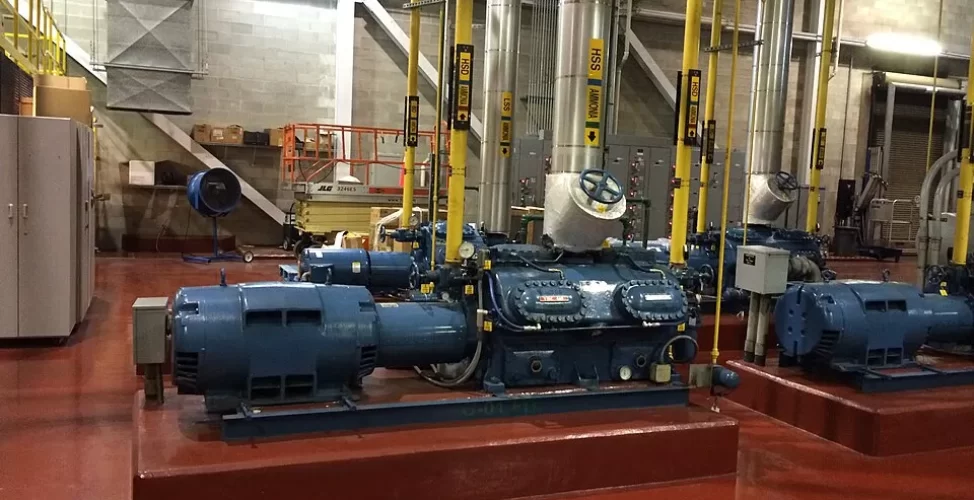
Refrigeration compressors are the true driving force behind every industrial cold storage and refrigeration system. Regardless of the application food processing plants, pharmaceutical cold chains, logistics hubs, or large-scale industrial facilities the compressor is the component that ultimately determines system capacity, energy efficiency, operational stability, and long-term reliability.
In today’s global industrial landscape, refrigeration compressors are no longer evaluated solely by cooling capacity. Factors such as energy consumption optimization, load adaptability, refrigerant compatibility, lifecycle cost, and system integration have become critical decision points for engineers, consultants, and facility owners. Selecting the wrong compressor technology can result in excessive energy losses, unstable system performance, frequent downtime, and significant operational costs over the system’s lifetime.
As regulations tighten, energy prices rise, and sustainability targets become more demanding, modern refrigeration compressor solutions must deliver far more than basic compression. They must operate efficiently across variable loads, integrate seamlessly with advanced control and monitoring systems, and support both current and future refrigerant strategies. Understanding compressor technologies, operating principles, and real-world performance implications is therefore essential for anyone involved in industrial refrigeration design, operation, or investment decisions.
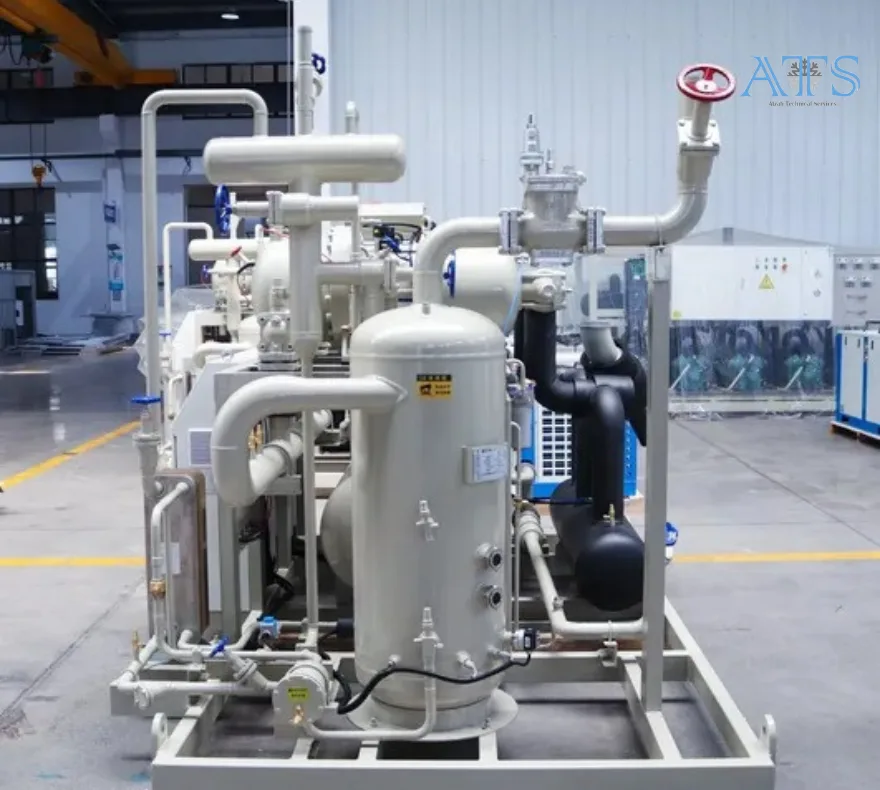
Refrigeration Compressors and Their Operating Principles
Refrigeration compressors play a central role in controlling pressure, temperature, and refrigerant flow within industrial refrigeration systems. Their primary function is to increase the pressure of low-temperature refrigerant vapor exiting the evaporator, enabling effective heat rejection at the condenser and sustaining continuous cooling cycles. Understanding how compressors operate is fundamental to designing efficient, stable, and scalable refrigeration systems.
Modern industrial compressor operation goes far beyond basic vapor compression. It involves thermodynamic optimization, mechanical precision, and intelligent interaction with control systems to ensure reliable performance under varying loads and environmental conditions.
Refrigeration Compressors in the Vapor Compression Cycle
At the core of every industrial refrigeration system lies the vapor compression cycle. The compressor elevates refrigerant pressure and temperature, allowing heat absorbed in the evaporator to be released efficiently in the condenser. This pressure differential is what drives refrigerant circulation throughout the system and defines cooling capacity, system stability, and energy consumption.
In industrial applications, maintaining stable compression ratios is critical. Excessive compression leads to higher discharge temperatures, increased mechanical stress, and reduced compressor lifespan, while insufficient compression compromises system capacity and temperature control.
Mechanical Operation and Internal Compression Mechanisms
From a mechanical standpoint, refrigeration compressors convert electrical or mechanical energy into controlled refrigerant compression. Different compressor technologies achieve this through distinct internal mechanisms, such as reciprocating motion, rotary displacement, or continuous screw compression.
Mechanical balance, lubrication quality, and internal sealing directly affect vibration levels, noise, wear rates, and long-term reliability. In industrial environments, these mechanical factors are often as critical as thermodynamic efficiency when selecting compressor solutions.
Thermodynamic Principles Governing Compressor Operation
Refrigeration compressors operate based on fundamental thermodynamic laws, particularly the relationship between pressure, temperature, and enthalpy. As refrigerant vapor is compressed, its temperature and enthalpy increase, enabling heat rejection at higher ambient conditions.
Efficiency at this stage depends on minimizing irreversible losses such as friction, pressure drops, and heat transfer inefficiencies. Compressor design, internal geometry, and operating speed all influence how closely real-world performance approaches ideal thermodynamic behavior.
Interaction Between Compressors and Control Systems
Modern refrigeration compressors rarely operate in isolation. Their performance is closely linked to control strategies such as variable speed drives, capacity modulation, and real-time system monitoring. These control mechanisms allow compressors to adapt to fluctuating cooling demands while maintaining energy efficiency and operational stability.
Advanced control integration not only improves performance but also extends compressor lifespan by reducing cycling frequency, mechanical stress, and thermal shock under variable load conditions.
Types of Refrigeration Compressors
Refrigeration compressors are classified into several main types based on their compression mechanism, operating characteristics, and suitability for different cooling capacities and applications. Each compressor type offers distinct advantages and limitations in terms of efficiency, load control, reliability, and lifecycle cost. Understanding these differences is critical for selecting the most appropriate compressor for industrial cold storage and refrigeration systems.
In industrial applications, compressor selection is never a one-size-fits-all decision. Factors such as operating temperature range, system size, energy efficiency requirements, maintenance strategy, and future scalability all influence the choice of compressor technology.
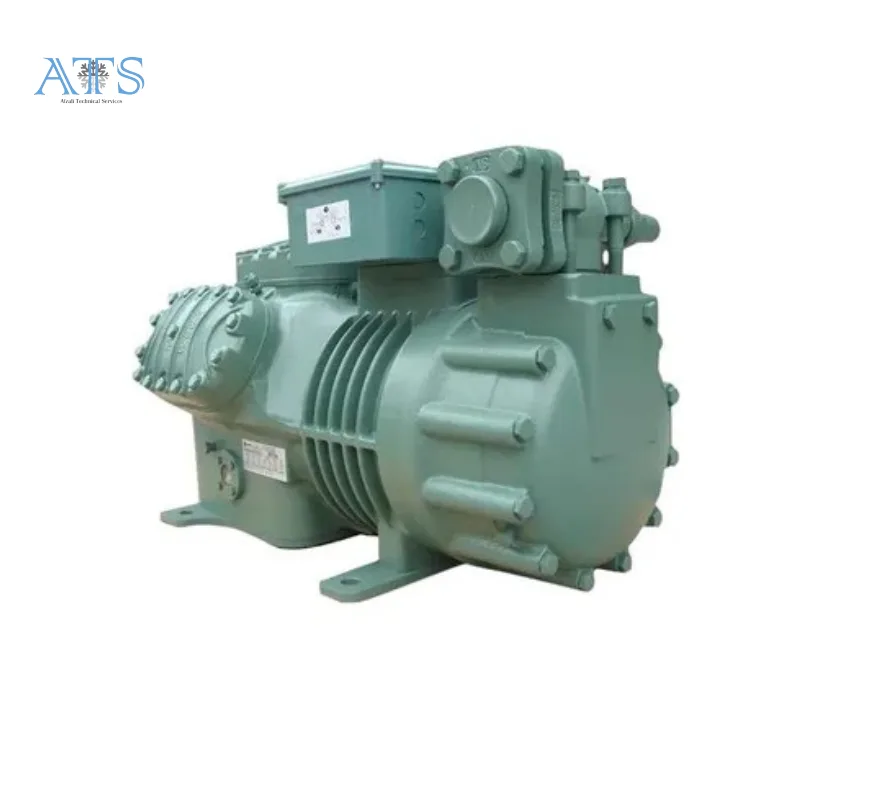
Reciprocating (Piston) Refrigeration Compressors
Reciprocating compressors use a piston-driven mechanism to compress refrigerant vapor within a cylinder. This technology is widely used in small to medium-capacity refrigeration systems due to its robust design, high pressure capability, and flexibility across a wide range of operating conditions.
Despite their durability, reciprocating compressors can experience higher vibration levels and mechanical wear compared to other technologies, especially under continuous heavy-duty industrial operation. Proper maintenance and capacity control are therefore essential to ensure long-term reliability.
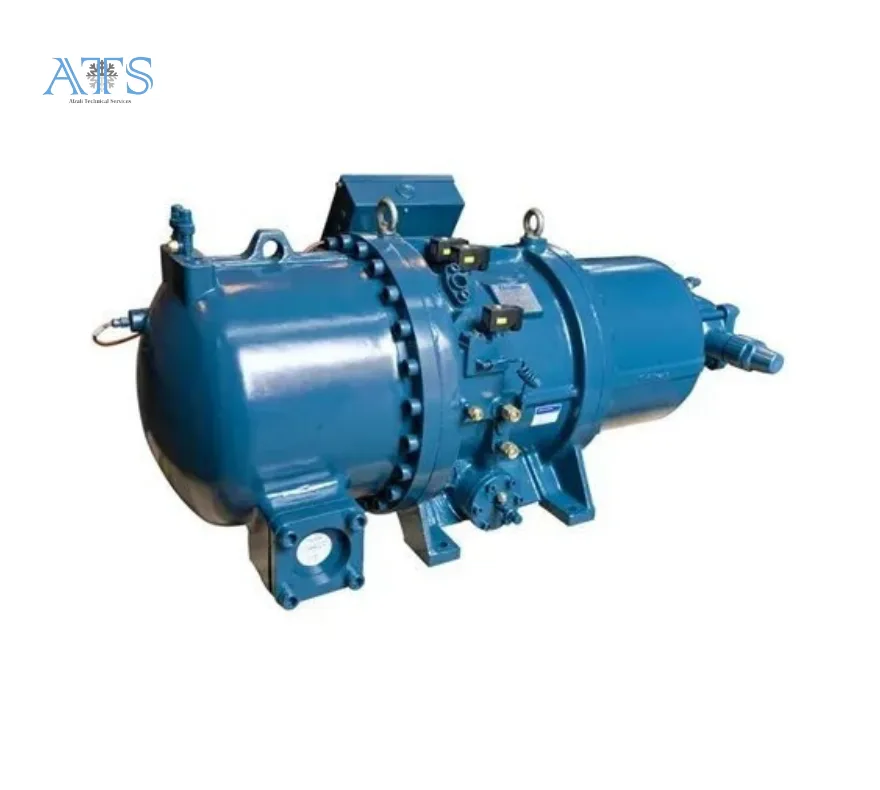
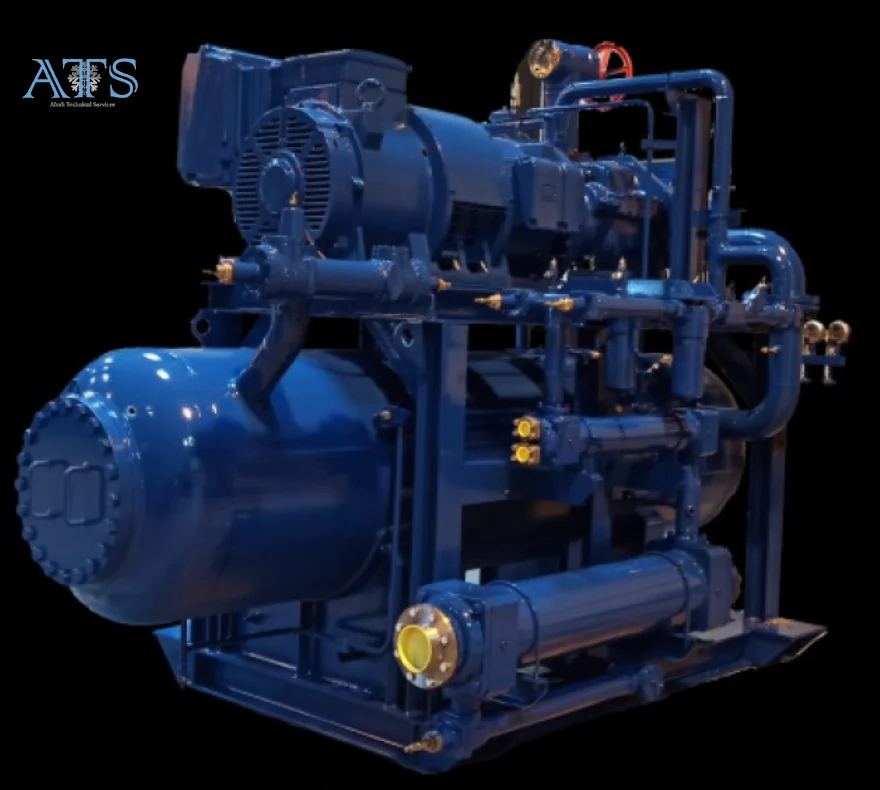
Screw Refrigeration Compressors
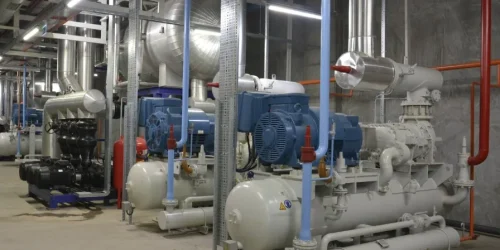
Screw compressors rely on continuous rotary motion using intermeshing helical rotors to compress refrigerant vapor. This design allows for smooth, continuous compression with minimal pulsation, making screw compressors highly suitable for medium to large industrial refrigeration systems. Their ability to operate efficiently under variable loads, combined with long service life and lower vibration levels, makes screw compressors a preferred choice for cold storage facilities, food processing plants, and large industrial cooling applications.
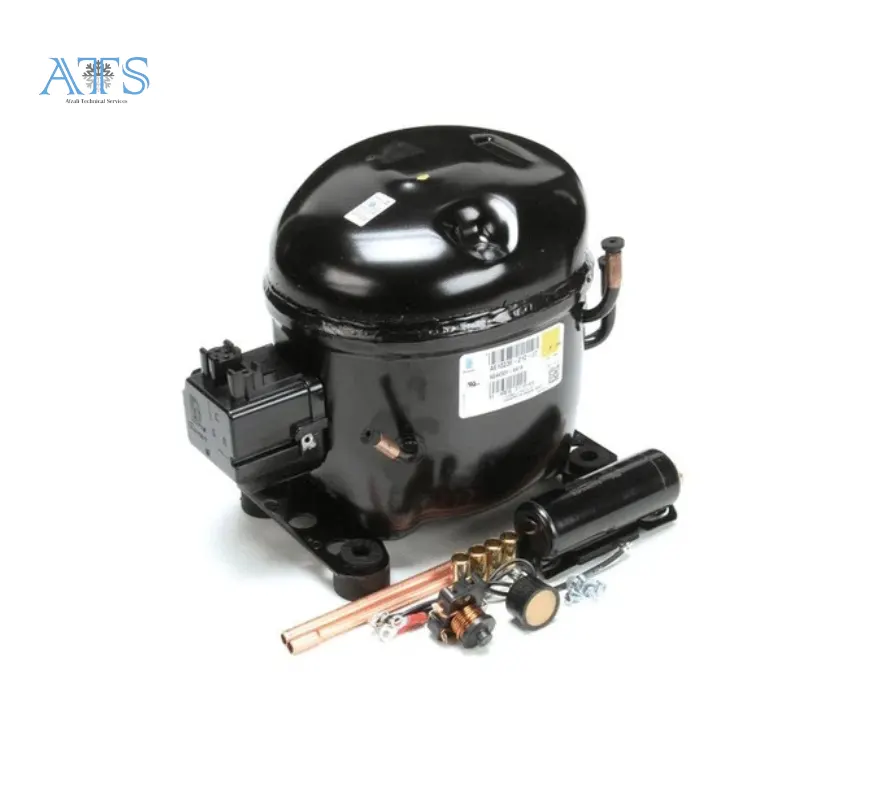
Scroll Refrigeration Compressors
Scroll compressors utilize two spiral-shaped scrolls—one fixed and one orbiting—to compress refrigerant vapor gradually and continuously. This design offers quiet operation, high efficiency at partial loads, and reduced mechanical complexity. While scroll compressors are typically limited to small and medium capacities, their reliability and energy efficiency make them well-suited for commercial refrigeration and specific industrial applications where stable, continuous operation is required.
Centrifugal Refrigeration Compressors
Centrifugal compressors operate by converting kinetic energy into pressure through high-speed rotating impellers. These compressors are designed for very large cooling capacities and are commonly used in district cooling systems and large-scale industrial refrigeration plants. Their efficiency at high capacities and continuous operation makes them ideal for centralized systems, although they require precise design, advanced controls, and stable operating conditions to perform optimally.
Comparison of Refrigeration Compressor Types Based on Application
Selecting the appropriate refrigeration compressor requires aligning compressor technology with real operational demands. Different industrial applications impose distinct requirements in terms of cooling capacity, load variability, operating temperature, reliability, and energy efficiency. A clear application-based comparison allows engineers and decision-makers to optimize both system performance and total cost of ownership.
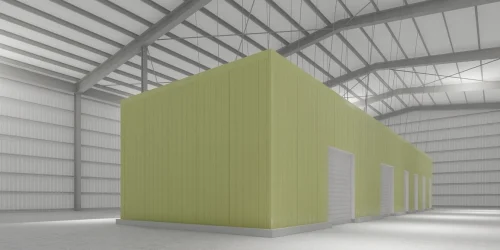
Refrigeration Compressor for Cold Storage
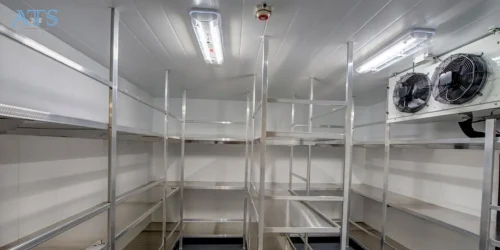
Cold storage warehouses and food preservation facilities typically operate under continuous or semi-continuous loads with strict temperature stability requirements. Screw compressors are commonly preferred in these environments due to their ability to handle variable loads efficiently, maintain stable suction pressures, and operate reliably over extended periods. For smaller cold storage or modular storage facilities, reciprocating or scroll compressors may be suitable, provided that capacity control and cycling are properly managed to avoid excessive wear and energy losses.
Industrial processing plants
Industrial processing plants, such as food processing, chemical production, or pharmaceutical manufacturing, often experience fluctuating cooling demands throughout production cycles. In these applications, screw compressors with advanced capacity modulation or variable speed control provide superior adaptability and energy efficiency. Centrifugal compressors may also be applied in large-scale industrial processes where cooling demand is high and relatively stable, offering excellent efficiency at full-load operation when properly designed and controlled.
Commercial refrigeration systems
Commercial refrigeration systems, including supermarkets, logistics centers, and distribution hubs, require a balance between efficiency, reliability, and compact system design. Scroll compressors are frequently used in these applications due to their quiet operation, high efficiency at partial loads, and reduced maintenance requirements. In medium-capacity systems with extended operating hours, hybrid solutions combining multiple scroll or reciprocating compressors can offer redundancy and improved load management.
For large-scale refrigeration plants and district cooling systems
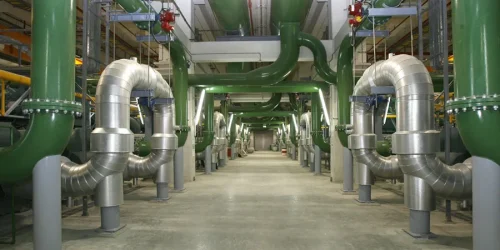
For large-scale refrigeration plants and district cooling systems, centrifugal compressors are often the preferred solution. Their ability to deliver very high cooling capacities with excellent efficiency at design conditions makes them ideal for centralized systems serving multiple facilities or extensive industrial zones. However, their performance is highly dependent on precise system design, stable operating conditions, and advanced control strategies, making them less suitable for highly variable or small-scale applications.
Optimized Compressor Selection for Industrial Cold Storage Application
Optimizing compressor selection for industrial cold storage requires a holistic evaluation of technical performance, operational behavior, and long-term economic impact. Unlike generic refrigeration systems, industrial cold storage operates under demanding conditions where temperature stability, energy efficiency, and system reliability directly affect product quality and operational profitability.
An optimized selection approach ensures that the compressor not only meets design capacity requirements but also performs efficiently across varying loads, minimizes lifecycle costs, and aligns with future operational and regulatory demands.
The cooling load profile:
The cooling load profile is one of the most critical parameters in compressor selection. Industrial cold storage facilities rarely operate at constant load; seasonal variations, product turnover, and operational schedules introduce significant fluctuations. Compressors that perform efficiently only at full load may result in excessive energy consumption under partial-load conditions.
Industrial cold Storage application:
Industrial cold storage applications span a wide temperature range, from chilled storage to deep-freeze conditions. Compressor selection must account for suction and discharge temperature limits, compression ratios, and compatibility with the selected refrigerant.
Initial investment cost:
Initial investment cost alone is not a reliable metric for compressor selection. Energy consumption over the system’s lifetime typically represents the largest share of total ownership cost. An optimized compressor selection prioritizes high seasonal efficiency, reduced power consumption under partial loads, and minimized maintenance requirements.
Compressor Integration with the Refrigeration System:
An optimized compressor must integrate seamlessly with the overall refrigeration system, including condensers, evaporators, and control architectures. Compatibility with monitoring systems, automation platforms, and advanced diagnostics enhances system reliability and simplifies long-term operation.
Energy Efficiency Differences Between Compressor Technologies
Energy efficiency has become one of the most decisive factors in selecting refrigeration compressors for industrial cold storage systems. Rising energy costs, stricter environmental regulations, and sustainability targets require engineers and facility owners to evaluate compressor technologies not only based on capacity, but on real-world efficiency across varying operating conditions.
Different compressor technologies exhibit fundamentally different efficiency behaviors depending on load profile, operating temperature, control strategy, and system integration. Understanding these differences is essential for minimizing energy consumption and achieving long-term operational savings.
Efficiency Characteristics of Reciprocating Compressors
Reciprocating compressors generally offer good efficiency at steady operating points and are capable of handling high compression ratios. However, their energy efficiency tends to decline under partial-load conditions due to frequent cycling, mechanical losses, and limited capacity modulation capabilities.
In industrial cold storage applications with fluctuating loads, reciprocating compressors may result in higher energy consumption unless combined with advanced control strategies or multi-compressor arrangements.
Energy Performance of Screw Compressors
Screw compressors are widely recognized for their strong energy performance in medium to large industrial refrigeration systems. Their continuous compression process, combined with capacity control mechanisms such as slide valves or variable speed drives, allows them to maintain relatively high efficiency across a broad load range. This adaptability makes screw compressors particularly suitable for cold storage facilities with variable cooling demands, where maintaining high seasonal efficiency is more critical than peak-load performance alone.
Partial-Load Efficiency of Scroll Compressors
Scroll compressors exhibit excellent energy efficiency under partial-load conditions due to their smooth compression process and reduced internal leakage. Their efficiency profile makes them well-suited for commercial refrigeration and smaller industrial systems where stable, continuous operation is required. However, as system capacity increases, scroll compressors may require multiple units operating in parallel, which can impact overall system complexity and energy optimization strategy.
High-Capacity Efficiency of Centrifugal Compressors
Centrifugal compressors deliver exceptional energy efficiency at high capacities and near-design operating conditions. Their aerodynamic compression mechanism minimizes mechanical losses and enables superior performance in large-scale refrigeration and district cooling applications. Nevertheless, their efficiency drops significantly outside the design point, making precise load prediction, advanced controls, and stable operating conditions essential for achieving optimal energy performance.
Future Trends in Industrial Refrigeration Compressors (2026+)
Industrial refrigeration compressors are entering a phase of rapid transformation driven by energy regulations, sustainability targets, digitalization, and evolving operational expectations. Beyond pure mechanical performance, future compressor technologies are increasingly defined by intelligence, adaptability, and system-level optimization. For cold storage (room) operators, EPC contractors, and industrial consultants, understanding these trends is essential for future-proof system design and long-term investment planning.
One of the most significant trends shaping compressor development is the global transition toward low-GWP and environmentally friendly refrigerants. Compressor designs are increasingly optimized for alternative refrigerants such as natural refrigerants and next-generation synthetic options, which often require different pressure levels, lubrication strategies, and thermal management approaches. Future-ready compressors must demonstrate operational stability, safety, and efficiency across a wider range of refrigerant characteristics, making refrigerant–compressor compatibility a critical design priority.
Future industrial compressors will increasingly rely on advanced capacity control methods, with variable-speed operation becoming a standard rather than a premium feature. The ability to precisely match compressor output to real-time cooling demand significantly improves seasonal energy efficiency and reduces mechanical stress. This trend supports smoother operation, lower peak energy consumption, and improved reliability—especially in cold storage facilities with fluctuating load profiles.
How Energy Efficiency Impacts Cold Room Operating Costs and ROI
Energy efficiency is one of the most influential factors determining the long-term financial performance of industrial cold storage facilities. Unlike initial capital expenditure, which is fixed and predictable, energy-related operating costs accumulate continuously throughout the system’s lifecycle and directly shape return on investment (ROI).
In modern cold storage projects, optimizing energy efficiency is no longer a secondary engineering consideration—it is a core financial strategy that affects profitability, competitiveness, and asset value.
Energy Consumption as the Dominant Operating Cost
In most industrial cold storage facilities, energy consumption represents the largest portion of operating expenses over the system’s lifetime. Compressors, condensers, evaporators, and auxiliary equipment operate for extended periods, often continuously, making even small efficiency improvements financially significant. High-efficiency compressor technologies and optimized system design can reduce annual energy consumption substantially, leading to measurable cost savings year after year.
Impact of Efficiency on Lifecycle Cost and Payback Period
Energy-efficient refrigeration systems typically require higher upfront investment, but this is often offset by shorter payback periods and lower total cost of ownership. Reduced electricity consumption, lower peak demand charges, and decreased maintenance frequency contribute to faster capital recovery. From an ROI perspective, systems designed with high seasonal efficiency consistently outperform lower-cost, energy-intensive alternatives over their operational lifespan.
Operational Stability and Indirect Cost Reduction
Energy-efficient systems often deliver more stable operation due to reduced thermal stress, optimized load management, and smoother compressor performance. This stability minimizes unplanned downtime, product loss, and emergency maintenance—costs that are often underestimated during project planning. In cold storage environments where temperature deviation can lead to significant product damage, operational reliability directly translates into financial protection.


No Comments