


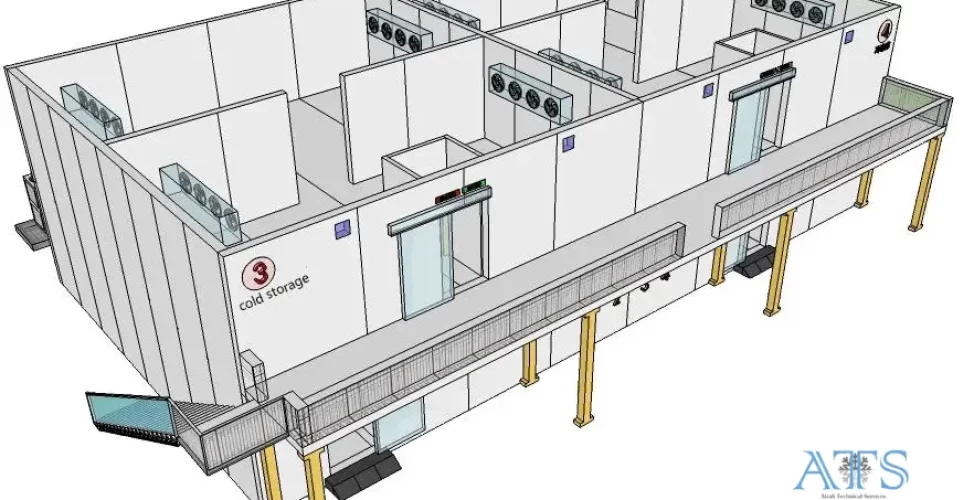
Cold storage facilities play a critical role in preserving product quality, ensuring regulatory compliance, and maintaining supply chain efficiency across industries such as food processing, pharmaceuticals, and logistics. However, despite advances in refrigeration technology and design standards, many cold storage projects still suffer from avoidable design flaws that lead to excessive energy consumption, operational inefficiencies, and long-term maintenance challenges.
Common mistakes in cold storage design often stem from inadequate load calculations, poor insulation strategies, incorrect equipment selection, and a lack of alignment between operational requirements and thermal design. These errors may not be immediately visible during the construction phase, but they frequently result in temperature instability, increased operating costs, and reduced system lifespan once the facility becomes operational.
This article examines the most frequent design mistakes encountered in cold storage projects from an engineering and industry perspective. By understanding why these issues occur and how they impact overall system performance, decision-makers and designers can make informed choices that improve reliability, energy efficiency, and long-term return on investment in cold storage facilities.
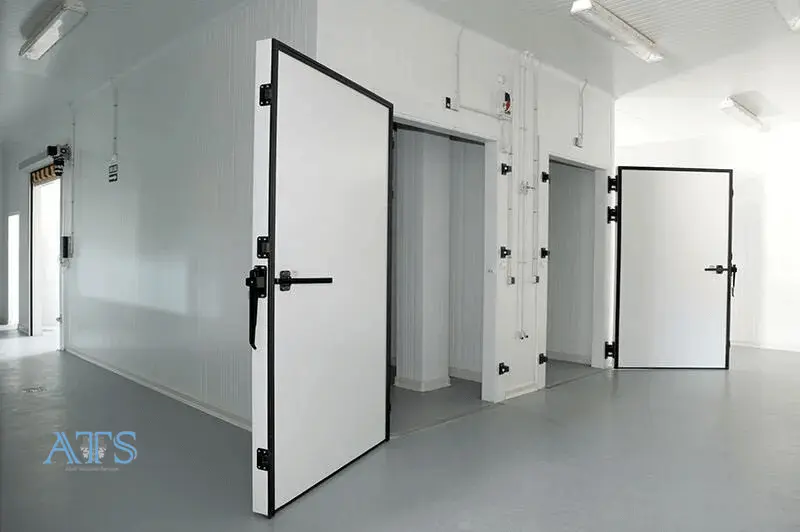
Common Mistakes in Cold Storage Design in Modern Industrial Facilities
Designing cold storage facilities for modern industrial applications is a complex task that requires careful consideration of multiple engineering factors. Despite technological advancements and detailed design standards, several recurring mistakes continue to challenge engineers and facility managers. Understanding these common pitfalls is crucial to ensuring operational efficiency, product safety, and long-term cost-effectiveness.
1. Inaccurate Cooling Load Calculations
Accurate cooling load calculation is the cornerstone of any cold storage design. Misestimating the cooling requirements—either by underestimating or overestimating—can have significant consequences for system performance, energy consumption, and product integrity.
Why It Happens?
- Improper assessment of heat sources: Designers may overlook or miscalculate internal heat gains from lighting, equipment, or human activity inside the cold room.
- Ignoring external thermal loads: Heat transfer from walls, ceilings, floors, and adjacent areas can be underestimated if insulation quality and thermal bridges are not properly accounted for.
- Seasonal and operational variations: Failing to consider fluctuations in ambient temperature, humidity, and product load changes can result in an inaccurate peak load estimation.
2. Poor Insulation and Thermal Envelope Design
Effective insulation and a well-designed thermal envelope are fundamental to maintaining temperature stability and energy efficiency in cold storage facilities. Inadequate insulation or poorly executed thermal design is one of the most common mistakes in modern industrial cold storage projects.
Why It Happens?
- Incorrect material selection: Using insulation materials with insufficient R-value (thermal resistance) for the climate or application can lead to excessive heat gain or loss.
- Thermal bridging: Gaps, joints, or penetrations in the building envelope, if not properly sealed, can create thermal bridges that allow unwanted heat transfer.
- Improper thickness or layering: Undersized insulation or inconsistent layering across walls, floors, and ceilings reduces the effectiveness of the thermal envelope.
- Neglecting vapor barriers and moisture control: Moisture penetration can degrade insulation performance, cause condensation, and promote mold or corrosion.
3. Incorrect Equipment Selection and Layout
Choosing the right refrigeration equipment and arranging it effectively within the cold storage facility is critical to achieving optimal performance, energy efficiency, and operational reliability. Poor equipment selection or an inefficient layout is one of the most common design mistakes in modern industrial cold storage.
Why It Happens?
- Mismatched equipment capacity: Selecting compressors, condensers, or evaporators that are either too large or too small for the actual cooling load leads to inefficiencies.
- Ignoring spatial constraints: Insufficient planning for equipment placement can result in restricted airflow, limited maintenance access, and uneven temperature distribution.
- Lack of compatibility between components: Mixing different brands or types of equipment without ensuring proper system integration can cause operational conflicts and reduce overall efficiency.
- Neglecting airflow patterns: Poor layout may disrupt air circulation within cold rooms, creating hot spots or temperature gradients that compromise product quality.
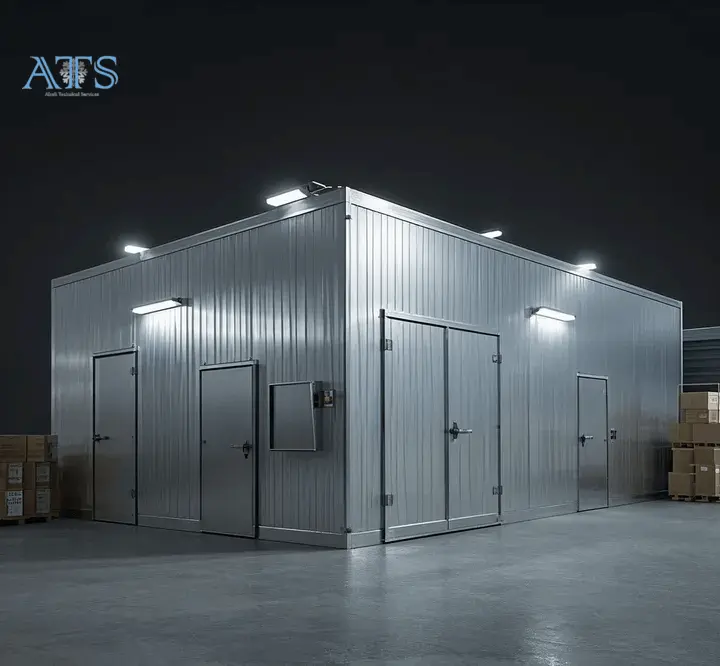
4. Ignoring Operational Practices and Workflow Integration
Even the most technically sound cold storage design can fail if operational practices and workflow integration are neglected. Failing to consider how personnel interact with the facility, how products are moved, and how storage operations are managed can undermine even the best thermal and mechanical design.
Why It Happens?
- Design in isolation: Engineers may focus solely on theoretical calculations, equipment, and insulation without consulting operational staff or considering daily workflow patterns.
- High-frequency door openings: Repeated access to cold rooms by staff, forklifts, or pallet jacks can significantly increase heat infiltration if not accounted for in the design.
- Inefficient storage layouts: Poorly planned aisle spacing, pallet stacking, or product placement can create bottlenecks, reduce airflow, and compromise temperature uniformity.
- Overlooking handling procedures: Ignoring protocols for loading/unloading, rotation of perishable goods, or seasonal inventory fluctuations can reduce system efficiency and product safety.
5. Lack of Monitoring and Control Strategy
A modern industrial cold storage facility relies heavily on effective monitoring and control systems to maintain consistent temperatures, prevent product loss, and optimize energy consumption. Neglecting this aspect during design is a critical mistake that can undermine the performance of even the best-engineered facilities.
Why It Happens?
- Overlooking automation: Some designers assume manual control is sufficient, ignoring the benefits of automated temperature, humidity, and system performance monitoring.
- Inadequate sensor placement: Poorly located temperature or humidity sensors fail to detect localized variations, leading to unmonitored hot or cold spots.
- Lack of centralized control: Without a centralized management system, adjustments must be made manually, increasing the risk of delayed responses to deviations.
- Ignoring predictive maintenance: Failing to integrate monitoring for early detection of component failure prevents proactive maintenance and increases downtime.
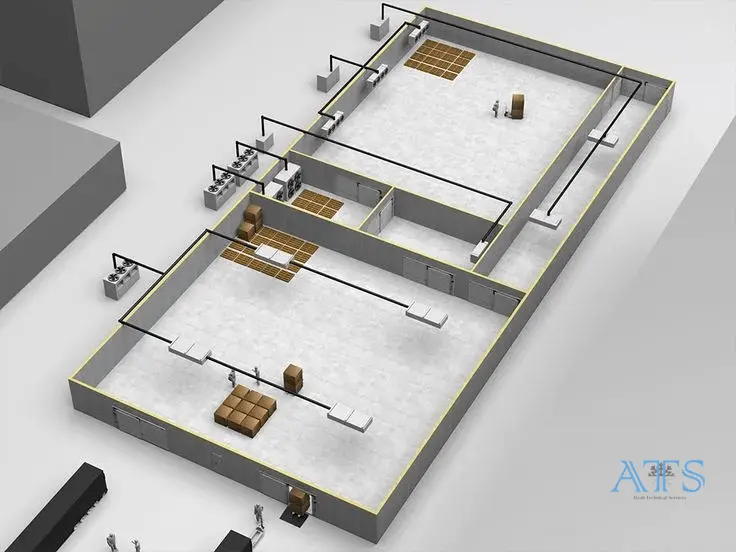
Analyzing Each of the Common Mistakes in Cold Storage Design, Afzali suggestions
Cold storage facilities are critical components of modern industrial operations, especially in the food, pharmaceutical, and chemical sectors. Even minor oversights during design can lead to significant operational, financial, and quality issues. Analyzing each common mistake in cold storage design helps engineers, facility managers, and decision-makers understand not only what goes wrong but also how to prevent failures and optimize system performance. Afzali provides valuable insights and recommendations to guide these improvements. Inaccurate cooling load calculations are one of the most critical mistakes in modern industrial cold storage design. Proper estimation of cooling load is essential to maintain temperature stability, maximize energy efficiency, extend equipment longevity, and protect product integrity.
For more information and to receive specialized consulting on industrial cold storage design and refrigeration systems, contact us at phone numbers +971 4 288 6161 and +971 50 6348 577 .
Analyzing Inaccurate Cooling Load Calculations
Inaccurate cooling load calculations are one of the most critical mistakes in modern industrial cold storage design. Proper estimation of cooling load is essential to ensure temperature stability, energy efficiency, equipment longevity, and product integrity.
Key Factors Contributing to Inaccuracy
- Internal Heat Gains Misestimation
- Lighting, equipment operation, and human activity inside the cold storage can generate significant heat. Ignoring these factors results in an underestimation of cooling requirements.
- External Thermal Load Miscalculations
- Heat transfer from walls, roofs, floors, and adjacent spaces must be accurately assessed. Poor insulation or thermal bridges can cause additional heat gain that is often overlooked.
- Seasonal and Operational Variations
- Failing to account for seasonal changes in ambient temperature, humidity, and varying product loads leads to incorrect peak load estimation.
- Dynamic Product Load
- Frequent loading and unloading or high turnover of perishable goods can temporarily increase cooling demand, which must be included in load calculations.
Impacts of Inaccurate Calculations;
|
Factor |
Effect (1-5) |
Description |
|
Energy Consumption |
5 | Oversized systems cycle excessively; undersized systems run continuously → high energy use. |
|
Temperature Stability |
5 |
Poorly sized systems cannot maintain consistent temperatures → risk of spoilage. |
|
Maintenance Cost |
4 |
Overworked or frequently cycling compressors increase wear and maintenance. |
|
Product Quality |
5 |
Temperature fluctuations can compromise perishable goods. |
|
Equipment Lifespan |
4 |
Frequent on/off cycles or overloading reduce system lifespan. |
Analyzing Poor Insulation and Thermal Envelope Design in Cold Storage
Proper insulation and a well-engineered thermal envelope are essential to the performance, efficiency, and reliability of industrial cold storage facilities. Poor insulation or inadequate thermal envelope design is one of the most common mistakes in modern cold storage projects, and it has significant operational, financial, and product-quality implications.
Key Factors Contributing to Poor Design
- Inadequate Material Selection
- Using insulation materials with insufficient R-value for the intended temperature range or climate increases heat transfer and reduces energy efficiency.
- Thermal Bridging and Gaps
- Improper sealing at joints, wall penetrations, or structural connections allows unwanted heat flow, compromising the integrity of the thermal envelope.
- Incorrect Insulation Thickness or Layering
- Uneven or undersized insulation across walls, ceilings, and floors reduces the overall effectiveness of the system.
- Moisture and Vapor Control Failures
- Lack of vapor barriers or poor moisture management can degrade insulation performance, cause condensation, frost build-up, and structural issues.
Impacts of Poor Insulation
|
Factor |
Effect (1-5) |
Description |
| Energy Consumption | 5 |
Refrigeration systems must work harder, increasing energy costs. |
|
Temperature Stability |
5 | Weak thermal envelope leads to uneven temperatures and hot spots. |
|
Maintenance Cost |
3 |
Moisture and frost issues increase maintenance needs. |
|
Product Quality |
4 |
Fluctuating temperatures can compromise stored goods. |
|
Equipment Lifespan |
3 |
Overworked systems due to heat infiltration reduce equipment life. |
Analyzing Incorrect Equipment Selection and Layout
Selecting the right refrigeration equipment and designing an efficient layout are critical for optimal performance, energy efficiency, and operational reliability in industrial cold storage. Incorrect equipment selection or poor layout is a common mistake that can significantly compromise the system’s effectiveness and increase operational risks.
Key Factors Contributing to Poor Equipment Design
- Mismatched Equipment Capacity
- Choosing compressors, evaporators, or condensers that are too large or too small for the calculated load leads to inefficiency, frequent cycling, or inability to maintain temperature.
- Inadequate Space Planning
- Poor layout can restrict airflow, hinder maintenance access, and create operational bottlenecks.
- Component Compatibility Issues
- Mixing equipment from different manufacturers or types without ensuring proper integration can lead to operational conflicts and reduced system performance.
- Ignoring Airflow Dynamics
- Improper placement of evaporators, fans, or ducts can result in uneven air distribution, temperature gradients, and hot/cold spots.
Impacts of Incorrect Equipment Selection and Layout
|
Factor |
Effect (1-5) |
Description |
| Energy Consumption | 4 |
Mismatched or poorly placed equipment increases energy usage. |
|
Temperature Stability |
5 |
Uneven airflow and incorrect equipment sizing cause hot or cold spots. |
|
Maintenance Cost |
4 |
Hard-to-access equipment increases maintenance time and cost. |
|
Product Quality |
4 |
Uneven temperature distribution compromises product safety. |
|
Equipment Lifespan |
4 |
Overloading or improper cycling reduces component life. |
Analyzing Ignoring Operational Practices and Workflow Integration
Even the most technically advanced cold storage systems can underperform if operational practices and workflow integration are ignored. A well-designed refrigeration system must account for how personnel interact with the facility, how products are handled, and how operational processes affect thermal performance.
Key Factors Contributing to Ignoring Operational Practices
- Designing in Isolation
- Engineers may focus solely on theoretical calculations, equipment, or insulation without consulting warehouse staff or logistics managers about daily operations.
- High-Frequency Door Operations
- Frequent access by staff, forklifts, or pallet jacks introduces heat gains that compromise temperature stability if not properly managed.
- Inefficient Storage Layouts
- Poor aisle spacing, pallet stacking, or product placement can create bottlenecks, reduce airflow, and cause uneven temperature distribution.
- Neglecting Handling Protocols
- Ignoring procedures for loading, unloading, or seasonal inventory changes can lead to operational inefficiencies and increased thermal stress on the system.
Impacts of Ignoring Workflow
|
Factor |
Effect (1-5) |
Description |
|
Energy Consumption |
4 |
Systems work harder to compensate for operational heat gains. |
|
Temperature Stability |
5 |
Frequent disruptions cause uneven temperatures and hot/cold spots. |
|
Maintenance Cost |
3 |
Operational stress increases wear on refrigeration equipment. |
|
Product Quality |
5 |
Fluctuating temperatures compromise product integrity. |
|
Equipment Lifespan |
4 |
Excessive cycling reduces component lifespan. |
Analyzing Lack of Monitoring and Management of HVAC Systems
A modern industrial cold storage facility is only as effective as its ability to Monitoring and Management of HVAC Systems. Lack of a proper monitoring and control strategy is a critical mistake that can undermine even the most advanced refrigeration systems. Without real-time data and automated control, maintaining stable temperatures, product quality, and energy efficiency becomes a challenge.
Key Factors Contributing to Lack of Monitoring
- Overreliance on Manual Operations
- Assuming that manual temperature checks and adjustments are sufficient often leads to delayed responses to deviations.
- Insufficient Sensor Deployment
- Poorly placed or too few sensors can leave critical zones unmonitored, allowing hot or cold spots to develop unnoticed.
- No Centralized Control System
- Without integration of all refrigeration components into a centralized system, adjustments must be made manually, increasing human error and response time.
- Neglecting Predictive Maintenance
- Systems without monitoring cannot detect early signs of equipment failure, resulting in unplanned downtime and costly repairs.
Impacts of Lack of Monitoring and Control
| Factor | Effect (1-5) |
Description |
|
Energy Consumption |
4 |
Systems may run inefficiently due to lack of real-time feedback. |
|
Temperature Stability |
5 |
Deviations go unnoticed, causing uneven cooling and product spoilage. |
|
Maintenance Cost |
4 |
Reactive maintenance is more frequent and expensive. |
|
Product Quality |
5 |
Uncontrolled fluctuations compromise product safety and shelf-life. |
|
Equipment Lifespan |
4 |
Overloaded or mismanaged equipment wears out faster. |
Impact of Energy Efficiency on Operational Costs
Energy efficiency in industrial cold storage is not just a technical preference—it is a strategic operational imperative. Refrigeration systems are inherently energy-intensive, and inefficiencies can compound quickly, inflating operational costs and affecting profitability. Even minor lapses in insulation quality, equipment sizing, or temperature control strategies can result in unnecessary energy consumption, increased wear on machinery, and higher maintenance costs. In my experience consulting for cold storage facilities, operators who integrate energy efficiency into the initial design phase consistently see significant cost reductions within the first year of operation.
Beyond the immediate financial benefits, energy-efficient cold storage contributes directly to the reliability and lifespan of equipment. Compressors, fans, and condensers that are properly sized and controlled do not cycle excessively, reducing mechanical stress and the likelihood of premature failure. Furthermore, minimizing energy waste through high-performance insulation and optimized air circulation ensures stable temperatures throughout the facility, protecting sensitive goods such as pharmaceuticals, perishable foods, or specialized chemicals. In practice, these measures reduce product loss, enhance shelf life, and maintain compliance with stringent temperature regulations—a factor that directly impacts a facility’s reputation and operational credibility.
The role of operational workflow;
Operational workflow also plays a critical role in energy management. Facilities that neglect workflow optimization often experience frequent door openings, obstructed airflow, or poorly managed product placement, all of which force refrigeration systems to work harder and consume more energy. A well-planned workflow, combined with energy-efficient equipment, allows staff to maintain consistent temperatures while reducing unnecessary load on the refrigeration system. Incorporating automation and real-time monitoring further enhances this effect, enabling facilities to dynamically adjust cooling cycles, detect inefficiencies early, and proactively manage energy consumption.
Finally, energy efficiency should be considered a long-term investment rather than a cost. Retrofitting inefficient facilities can be far more expensive than embedding efficiency into the design phase. From my perspective, cold storage projects that prioritize energy management from day one not only reduce operational costs but also create a resilient, sustainable, and high-performance facility. This integrated approach—combining insulation, equipment selection, workflow design, and monitoring—ensures that energy consumption is minimized, operational efficiency is maximized, and the stored products maintain the highest quality standards.
Integration of Automation and IoT in Cold Storage
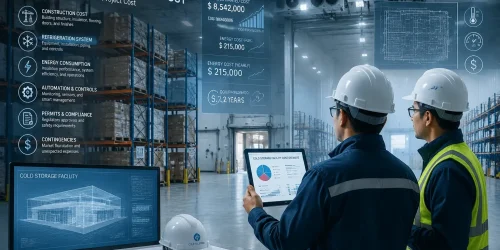
In modern industrial cold storage facilities, automation and IoT (Internet of Things) technologies have become central to achieving operational efficiency, energy savings, and product quality assurance. Traditional refrigeration systems often rely on manual monitoring and reactive adjustments, which are prone to human error and delayed responses. By integrating automation and IoT, facility managers gain real-time visibility, predictive insights, and precise control over every aspect of the storage environment.
Automation enables refrigeration systems to self-regulate based on actual load conditions, temperature fluctuations, and humidity levels. IoT sensors placed strategically across the facility provide continuous data streams that feed into centralized control platforms. These systems can automatically adjust compressor speed, fan operation, or cooling cycles to maintain stable conditions while minimizing energy consumption. In my experience consulting with cold storage facilities, this approach not only reduces electricity bills but also prevents overcooling, product spoilage, and uneven temperature distribution, which are common problems in manually controlled setups.
Predictive maintenance goes beyond energy management;
Beyond energy management, IoT integration enhances predictive maintenance and operational transparency. Data analytics can identify early signs of equipment wear, refrigerant leaks, or airflow blockages, enabling maintenance teams to address issues before they escalate into costly downtime. Additionally, dashboards and alerts allow managers to monitor multiple storage zones simultaneously, ensuring compliance with strict temperature regulations for sensitive products such as pharmaceuticals, frozen foods, or biotech materials.
Finally, automation and IoT create a resilient and scalable cold storage ecosystem. Facilities that embrace these technologies can easily expand operations, add new storage zones, or integrate with warehouse management systems without compromising efficiency or product safety. From my perspective, early investment in automation and IoT is not just about reducing costs—it’s about building a high-performance, reliable, and future-ready cold storage operation that delivers consistent results under any operational condition.
Conclusion and Final Thoughts
Designing an industrial cold storage facility is a complex task that requires careful consideration of multiple factors—thermal loads, insulation, equipment selection, workflow, monitoring, and energy efficiency. As we have analyzed, common mistakes in cold storage design—such as inaccurate cooling calculations, poor insulation, incorrect equipment layout, ignoring operational workflow, and lack of monitoring—can significantly impact operational costs, product quality, and equipment lifespan.
Modern solutions, including automation, IoT integration, predictive maintenance, and energy-efficient design, provide powerful tools to mitigate these risks. Facilities that embrace these strategies can maintain stable temperatures, optimize energy consumption, extend equipment life, and protect product integrity. Importantly, implementing these solutions from the early stages of design, rather than retrofitting them later, ensures maximum efficiency and long-term operational savings.
In conclusion, the key to a successful cold storage operation lies in a holistic, proactive, and data-driven approach. By addressing both technical and operational aspects simultaneously, industrial facilities can achieve reliability, sustainability, and cost-effectiveness, transforming cold storage from a reactive necessity into a strategic advantage.

No Comments
Sorry, the comment form is closed at this time.