


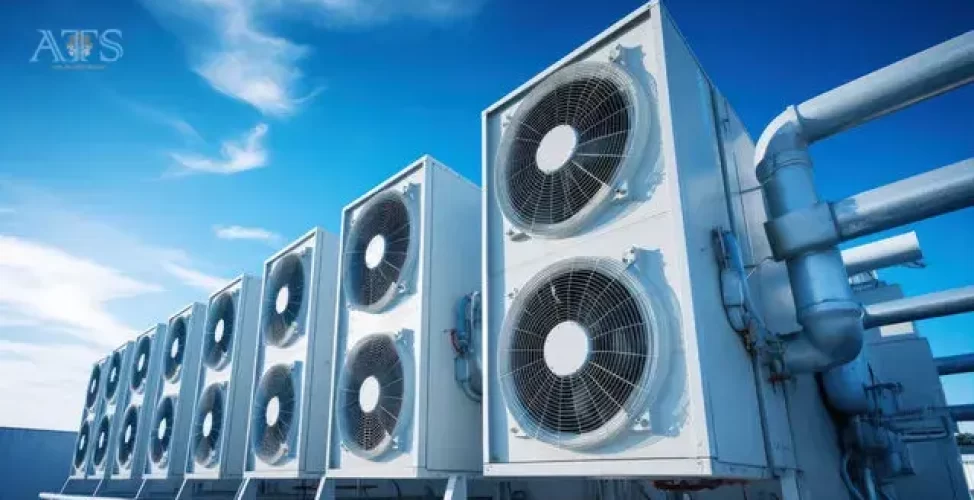
HVAC systems have evolved into highly complex, performance-critical infrastructures that directly influence energy consumption, environmental stability, and operational continuity across industrial and commercial facilities. In high-demand environments such as cold storage warehouses, pharmaceutical facilities, food processing plants, and large-scale commercial buildings, HVAC performance is not merely a comfort parameter it is a core operational requirement.
Despite significant advances in automation, smart controls, and digital monitoring platforms, the effective management of HVAC systems remains a multifaceted engineering challenge. Modern systems consist of interconnected mechanical, electrical, and control components operating under dynamic load conditions. Chillers, compressors, air handling units, expansion devices, variable speed drives, and distributed sensors must function in synchrony while responding to fluctuating thermal loads, ambient conditions, and occupancy patterns. “In the following, we will discuss the HVAC monitoring challenges .”
HVAC Monitoring Challenges & Limitations
Conventional HVAC System Monitoring frameworks are increasingly challenged by the complexity and performance demands of modern industrial and commercial facilities. Traditional systems were originally designed for basic environmental control—primarily maintaining set temperatures and issuing alarms when thresholds were exceeded. While these frameworks are adequate for simple installations, they fall short in environments that require continuous, precise, and predictive management.
1. insufficient granularity in data collection
One of the most significant limitations is insufficient granularity in data collection. Traditional monitoring relies heavily on a limited number of sensors placed at general locations, providing only a snapshot of the system’s operational state. In large-scale cold storage or multi-zone commercial facilities, this sparse coverage cannot detect localized temperature gradients, airflow imbalances, or early signs of compressor strain. Critical parameters such as refrigerant superheat, subcooling, evaporator and condenser pressure, or energy consumption patterns often remain unmonitored. As a result, small inefficiencies accumulate unnoticed, reducing system reliability and energy efficiency over time.
2. reactive nature of conventional monitoring
Another core limitation is the reactive nature of conventional monitoring. Most traditional frameworks are designed to trigger alarms only after deviations occur, offering no predictive insight. For example, a rise in suction pressure might indicate an impending compressor fault, but unless the threshold is exceeded, the system provides no warning. Facilities operating under reactive monitoring frequently experience sudden equipment failures, emergency interventions, and unplanned downtime, all of which increase operational costs and compromise product safety in temperature-sensitive environments.
3. Distributed Data Architecture
Fragmented data architecture further undermines conventional frameworks. Isolated subsystems chillers, air handling units, and cooling towers—often generate data in incompatible formats or without centralized aggregation. This fragmentation makes it difficult to analyze the system holistically. Operators must rely on manual interpretation of logs, increasing the risk of delayed response and human error. Modern industrial operations require a centralized, intelligent monitoring ecosystem that can correlate performance metrics across subsystems and deliver actionable insights in real time.
4. Limited Integration with Advanced Control Systems
Integration challenges are another critical concern. Many conventional frameworks cannot seamlessly interface with modern Building Management Systems (BMS) or SCADA platforms. Legacy protocols, outdated software, and limited automation capabilities prevent dynamic system optimization. Without the ability to adjust setpoints in response to real-time load variations, HVAC systems operate suboptimally, consuming excess energy and accelerating wear on critical components.
5. Alarm management
Alarm management in conventional frameworks is also a weak point. Threshold-based alarms often generate excessive notifications without context or prioritization, leading to alarm fatigue. Operators may ignore minor alerts or fail to recognize patterns indicating systemic issues, allowing small faults to escalate into major operational disruptions.
Finally, conventional frameworks often lack robust support for regulatory compliance and audit requirements. Industries such as food, pharmaceuticals, and healthcare require precise documentation, timestamped logs, and traceable alarm histories. Basic monitoring systems rarely provide automated reporting, leaving facilities vulnerable to compliance violations, product loss, and reputational risk.
Data Fragmentation and the Absence of Actionable Intelligence
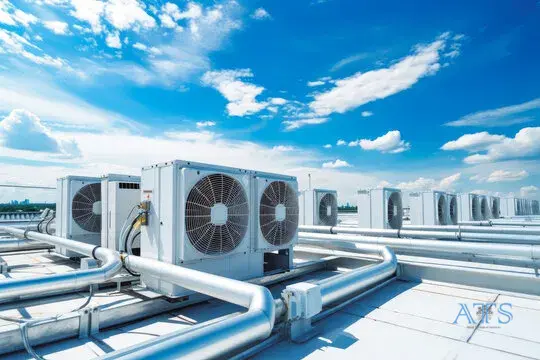
One of the most critical challenges in modern HVAC and industrial refrigeration systems is data fragmentation, which significantly limits the ability to derive actionable intelligence. As facilities expand in scale and complexity, data is generated from multiple subsystems—including chillers, compressors, air handling units, cooling towers, and sensor networks—each often operating on different protocols, software platforms, and sampling intervals. This heterogeneity creates silos of information that are difficult to integrate and analyze, reducing the operational visibility of the system as a whole.
Fragmented data prevents facilities from identifying patterns and correlations that are essential for predictive maintenance, energy optimization, and system reliability. For example, an isolated temperature reading from a single zone does not reveal airflow imbalances, compressor inefficiencies, or localized thermal hotspots. Similarly, uncoordinated readings of pressure, humidity, and electrical load may fail to indicate a developing fault in a refrigeration circuit until the system is already under stress.
Without centralized data aggregation and intelligent analytics, decision-makers are forced to rely on manual data interpretation or generic alarm thresholds. This reactive approach leads to delayed response times, missed opportunities for early intervention, and a higher risk of unplanned downtime. Moreover, the lack of actionable intelligence complicates energy management, as hidden inefficiencies—such as over-cycling compressors, fouled condensers, or misaligned airflow—remain undetected.
Advanced monitoring solutions address these issues by unifying data streams across all subsystems, normalizing formats, and applying contextual analytics to provide actionable insights. This approach enables predictive alerts, trend analysis, and operational benchmarking, allowing facility managers to proactively adjust system parameters, schedule maintenance, and optimize energy consumption. In essence, overcoming data fragmentation transforms raw information into strategic intelligence that directly supports operational reliability, cost efficiency, and compliance with regulatory standards.
Multiple Data Sources and Protocol Incompatibility;
Modern HVAC and industrial refrigeration systems generate data from a multitude of sources, including chillers, compressors, air handling units, cooling towers, sensors, and auxiliary control devices. Each of these components often communicates using different protocols, sampling rates, and software platforms. This diversity creates a significant challenge for facility managers attempting to consolidate system information and obtain a unified operational view.
When data originates from heterogeneous sources, inconsistencies in formatting, time-stamping, and measurement units can prevent seamless integration. For example, one subsystem may report temperature in Celsius with a 1-second sampling interval, while another reports Fahrenheit every 30 seconds. Without normalization, these discrepancies make comparative analysis and trend detection highly error-prone.
Protocol incompatibility further exacerbates the issue. Legacy controllers may operate on proprietary communication standards, while newer devices rely on BACnet, Modbus, or other open protocols. Bridging these communication gaps requires specialized gateways, middleware, or integration layers, which add complexity and cost to the monitoring infrastructure. In many facilities, the absence of such integration mechanisms results in data silos where individual subsystems are monitored independently, but the facility as a whole lacks holistic insight.
Hidden Inefficiencies and Energy Losses
Hidden inefficiencies in HVAC and industrial refrigeration systems represent one of the most significant sources of energy waste and operational cost escalation. Understanding how to control an HVAC system effectively is essential for identifying and eliminating these inefficiencies before they impact performance. Unlike overt system failures, these inefficiencies are subtle and gradual, often going unnoticed until they compound into measurable performance degradation or financial losses. They arise from multiple factors, including misaligned control parameters, unbalanced airflow, fouled coils, refrigerant leaks, and suboptimal compressor cycling. By implementing effective HVAC control strategies, continuous monitoring, and predictive maintenance, facility managers can improve energy efficiency, reduce operating costs, and extend equipment lifespan.
In large-scale facilities, small deviations in system performance can accumulate across multiple units. For example, a slight increase in chiller suction pressure or marginal superheat drift may not trigger immediate alarms, but over time, these inefficiencies increase energy consumption and accelerate mechanical wear. Similarly, uneven airflow in duct networks can create hot or cold spots, forcing certain units to operate at higher capacity to maintain target conditions, further consuming excess energy.
Another contributor to hidden inefficiencies is inadequate monitoring granularity. Conventional HVAC frameworks often track only basic parameters such as ambient temperature or supply air temperature, overlooking critical indicators like evaporator approach temperatures, condenser differential pressure, or compressor runtime trends. Without this level of detail, inefficiencies remain invisible to operators and analytics platforms, resulting in persistent energy losses.
HVAC Monitoring Challenges: Energy Performance Drift
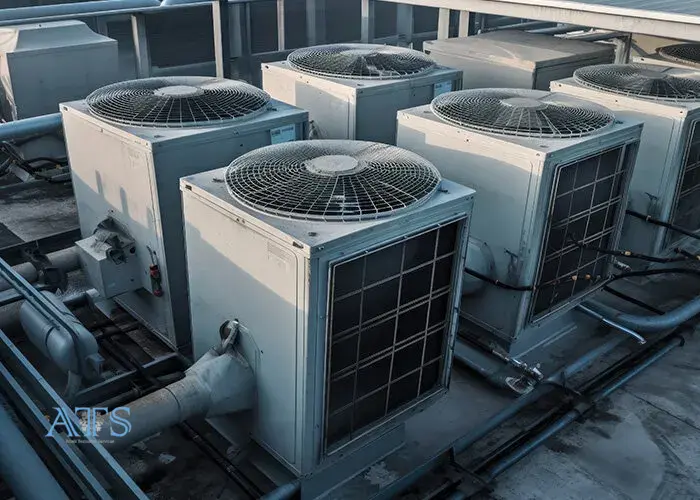
Energy performance drift is one of the most overlooked challenges in industrial HVAC and refrigeration systems. Over time, even well-designed and properly commissioned systems deviate from their optimal operating conditions due to a combination of mechanical wear, environmental factors, and operational variability. This drift is often gradual, making it difficult to detect without detailed performance monitoring and analytics.
Hidden efficiency losses are closely tied to this phenomenon. Small deviations in control parameters—such as slightly misaligned thermostat setpoints, suboptimal chiller sequencing, or minor airflow imbalances—can cumulatively result in significant energy waste. For instance, a chiller operating slightly above its optimal suction pressure may consume more electricity per ton of cooling, while compressors cycling too frequently due to minor control drifts increase both energy consumption and wear. Over months or years, these inefficiencies can escalate into measurable increases in operational cost and reductions in system reliability.
Gradual Deviation from Optimal Setpoints;
Gradual deviation from optimal setpoints is one of the most subtle yet impactful contributors to energy inefficiency in HVAC and industrial refrigeration systems. Even minor shifts in temperature, pressure, or humidity setpoints—often by just a few degrees or a small percentage—can have cascading effects across the system. Over time, these deviations accumulate, leading to higher energy consumption, reduced system efficiency, and increased mechanical stress on key components.
Several factors contribute to this gradual drift. Environmental influences, such as seasonal temperature variations, fluctuating occupancy, or varying load demands, can push systems away from their baseline operational settings. In addition, minor calibration shifts in sensors or actuators, slow degradation of valves, dampers, or compressors, and manual overrides can all lead to incremental changes in setpoints that remain undetected.
The consequences of uncorrected setpoint drift are multifold. Systems may run at non-optimal operating points, resulting in compressors cycling more frequently, chillers working harder to maintain target conditions, or airflow imbalances that increase fan energy consumption. Even if each individual deviation appears negligible, the cumulative effect can increase energy costs by 5–15% in large industrial facilities over months or years.
Solutions Through Real-Time Monitoring and Adaptive Control
High-resolution sensors, strategically placed across chillers, compressors, air handling units, and duct networks, collect precise data on temperature, pressure, humidity, airflow, and energy consumption. This data is fed into intelligent analytics platforms that can detect trends, correlate anomalies across multiple subsystems, and identify early signs of performance drift.
Adaptive control systems use this information to dynamically adjust setpoints, compressor sequencing, and airflow balancing. For example, if a chiller’s suction pressure begins to rise above optimal levels, the control system can automatically recalibrate the compressor operation or redistribute load across other chillers to maintain system efficiency. Similarly, real-time adjustments to fan speed and damper positions can eliminate airflow imbalances, reducing unnecessary energy consumption.
Beyond energy optimization, these solutions also enhance equipment lifespan and reliability. By preventing operation outside optimal parameters, adaptive control reduces mechanical stress on compressors, motors, valves, and heat exchangers, lowering maintenance costs and minimizing unplanned downtime.
Operational Instability Under Dynamic Load Conditions
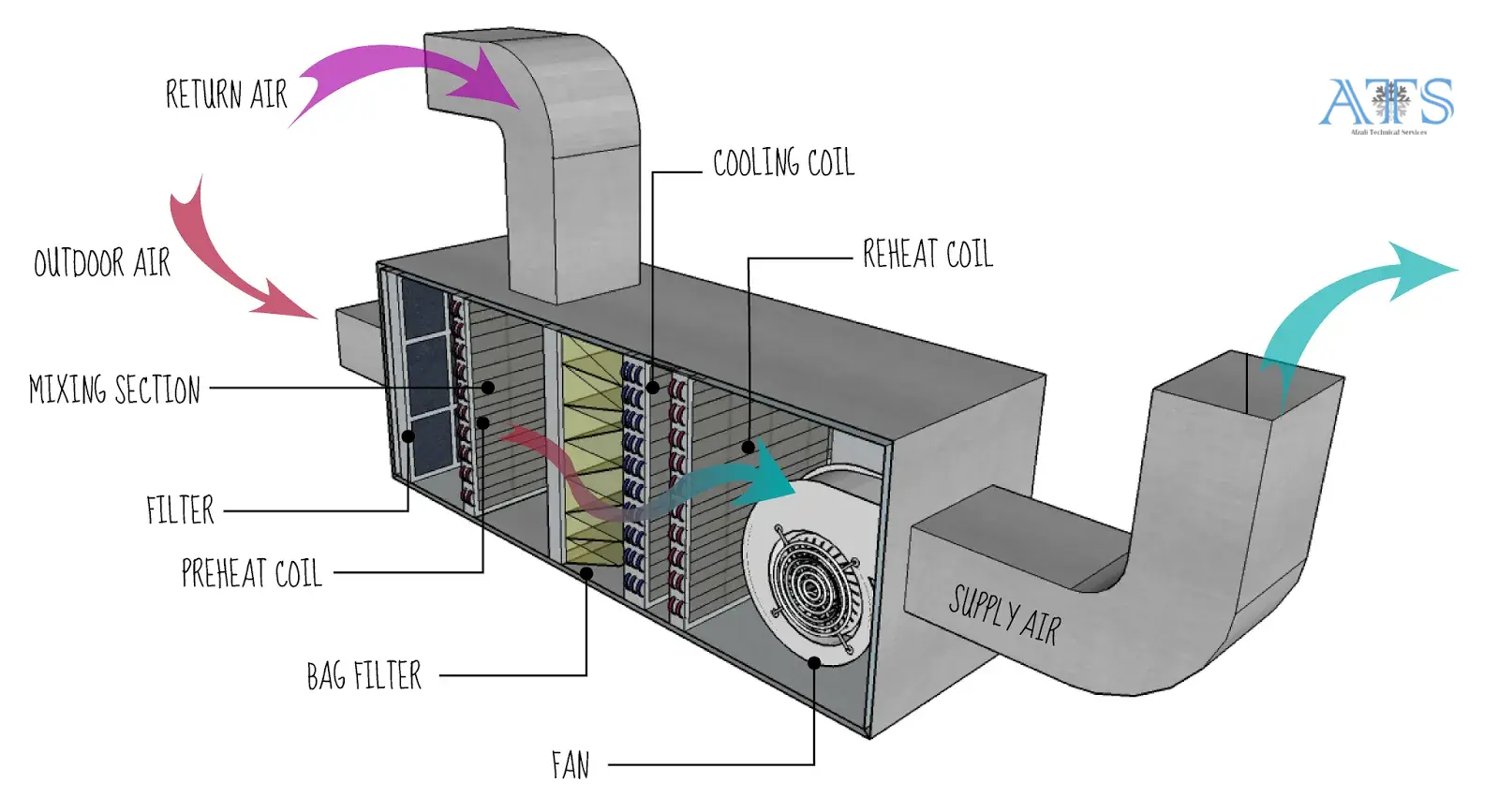
Operational instability under dynamic load conditions is a critical challenge in modern industrial HVAC and refrigeration systems. Unlike steady-state operation, dynamic loads—caused by fluctuating occupancy, varying production schedules, or environmental changes—introduce continuous variations in thermal and mechanical demand. Systems that are not designed or optimized for these fluctuations often experience performance instability, which can manifest as temperature oscillations, pressure swings, or uneven airflow distribution.
Such instability has multiple consequences. Compressors may cycle more frequently to compensate for load changes, leading to increased wear, higher energy consumption, and potential premature failure. Air handling units and fans may struggle to maintain consistent airflow, resulting in hot or cold spots across different zones. Even minor deviations from target conditions can affect product quality in temperature-sensitive environments, such as cold storage warehouses, pharmaceutical facilities, or food processing plants.
Traditional HVAC monitoring frameworks are often ill-equipped to handle dynamic load variations. Systems relying on fixed setpoints, periodic measurements, or threshold-based alarms fail to respond adequately to rapid changes in load. By the time alarms are triggered, instability may have already caused energy inefficiencies, equipment stress, or operational disruptions.
Impact of Rapid Load Fluctuations on System Components
Rapid load fluctuations in HVAC and industrial refrigeration systems can have a significant impact on system components, both mechanically and electrically. Frequent changes in cooling or heating demand force compressors, fans, pumps, and chillers to operate outside of steady-state conditions, leading to accelerated wear, increased maintenance requirements, and potentially reduced equipment lifespan.
Compressors are particularly vulnerable to rapid load changes. Sudden spikes or drops in load can cause frequent start-stop cycles, short-cycling, and fluctuations in suction and discharge pressures. Over time, this increases mechanical stress on pistons, bearings, and motor windings, contributing to premature failures and higher energy consumption. Similarly, fans and pumps operating under variable loads experience additional stress on motors and bearings, which can result in vibration, noise, and eventual mechanical degradation.
Heat exchangers, coils, and valves also experience inefficiencies under dynamic load conditions. Rapid changes in flow rates or temperature gradients can lead to uneven heat transfer, local hotspots, or thermal shock, which can compromise both efficiency and equipment reliability. Additionally, electrical components, such as variable frequency drives and control panels, are subject to higher operational stress due to frequent adjustments, potentially shortening their operational life.
Temperature and Pressure Oscillations in Dynamic Conditions
Temperature and pressure oscillations are common challenges in HVAC and industrial refrigeration systems operating under dynamic load conditions. These oscillations occur when system components struggle to respond to rapid changes in thermal demand, airflow, or fluid flow, resulting in deviations from target operational parameters. Even minor fluctuations can compound over time, leading to energy inefficiencies, equipment stress, and compromised operational stability.
Compressor cycling is directly affected by these oscillations. Rapid changes in suction and discharge pressures can trigger frequent start-stop events, short-cycling, and increased mechanical wear on pistons, valves, and bearings. Similarly, fluctuating temperatures in evaporators and condensers can lead to uneven heat transfer, localized thermal stress, and reduced system efficiency.
Pressure oscillations in the piping network or ductwork can also propagate through fans, pumps, and valves, causing vibration, noise, and premature mechanical fatigue. In chilled water or refrigerant loops, inconsistent pressures may disrupt proper flow distribution, causing some areas to overcool while others remain under-conditioned. This not only increases energy consumption but also risks product quality and safety in sensitive environments like cold storage facilities, pharmaceutical plants, or food processing lines.
Airflow Imbalance and Zone-Level Instabilities
Airflow imbalance is a prevalent issue in industrial HVAC and cold storage systems, especially under dynamic load conditions. Uneven distribution of conditioned air across zones or sections of a facility can result in temperature variations, hotspots, or cold spots, which reduce overall comfort, product safety, and operational efficiency. Zone-level instabilities are often a direct consequence of airflow imbalances, as some areas may receive excessive air while others are starved, forcing HVAC components to compensate and operate inefficiently.
The causes of airflow imbalance are multifaceted. Improperly sized ductwork, blocked or leaky ducts, misaligned dampers, and inconsistent fan speeds can all contribute. In facilities with multiple zones or large floor areas, these imbalances are magnified under varying occupancy or production loads. Additionally, changes in thermal load due to seasonal variations or process cycles can exacerbate zone-level instabilities if airflow is not dynamically adjusted.
The operational impacts are significant. Zones with excessive airflow may overcool, causing unnecessary energy consumption, while under-supplied zones may experience inadequate temperature control, potentially compromising product quality in sensitive environments such as cold storage, pharmaceutical production, or food processing. Continuous imbalance can also increase mechanical stress on fans, blowers, and duct systems, leading to accelerated wear, noise, and maintenance requirements.
Digitalization Challenges in BMS and SCADA Integration
Digitalization has transformed modern HVAC and industrial refrigeration management, enabling advanced monitoring, predictive analytics, and automated control. However, integrating Building Management Systems (BMS) and Supervisory Control and Data Acquisition (SCADA) platforms presents significant challenges that can limit the effectiveness of digital solutions.
One primary challenge is system interoperability. BMS and SCADA platforms often come from different manufacturers, use distinct communication protocols, and operate on varying data architectures. Without standardization or middleware solutions, connecting these systems can be complex, time-consuming, and prone to data inconsistencies. Incompatible protocols may prevent seamless real-time data exchange, limiting the ability to monitor and optimize energy consumption or detect system anomalies effectively.
Data fragmentation is another critical issue. While both BMS and SCADA collect vast amounts of operational data, this information is frequently siloed, stored in separate databases, or recorded at different intervals. Such fragmentation hinders comprehensive analysis, making it difficult to extract actionable insights for predictive maintenance, energy optimization, or operational efficiency.
System Interoperability Issues Between BMS and SCADA
One of the most significant challenges in modern HVAC and industrial refrigeration digitalization is system interoperability between Building Management Systems (BMS) and SCADA platforms. While both systems aim to monitor, control, and optimize facility operations, they often come from different vendors, utilize distinct communication protocols, and are built on divergent software architectures. This lack of standardization can create barriers to real-time data exchange, limit integration capabilities, and reduce the effectiveness of digital management strategies.
Protocol incompatibility is a primary obstacle. BMS platforms may use BACnet, Modbus, or LonWorks, whereas SCADA systems often rely on OPC, proprietary protocols, or custom interfaces. Without middleware solutions or protocol converters, these systems cannot communicate seamlessly, resulting in data silos, delayed response times, and incomplete operational visibility. In some cases, operators must manually transfer data between platforms, which introduces human error and increases the risk of operational inefficiencies.
Data Fragmentation and Siloed Information
Data fragmentation is a major challenge in the digitalization of HVAC and industrial refrigeration systems, particularly when integrating BMS and SCADA platforms. Although both systems collect large volumes of operational data, this information is often dispersed across multiple databases, recorded at different intervals, and stored in incompatible formats, creating data silos that hinder comprehensive analysis and decision-making.
Siloed information prevents facility managers and engineers from gaining a holistic view of system performance. For example, temperature and pressure readings may be stored separately from energy consumption data, making it difficult to correlate environmental conditions with operational efficiency. Similarly, alarms and maintenance logs may reside in isolated systems, preventing proactive identification of emerging issues.
The consequences of fragmented data are significant. Without a unified dataset, predictive analytics and AI-driven decision-making become less effective. Energy optimization strategies may fail to account for interdependencies between components, and maintenance schedules may be reactive rather than proactive, leading to higher operational costs, unexpected downtime, and reduced system reliability.
Limitations of Legacy HVAC and Refrigeration Equipment
Legacy HVAC and refrigeration equipment often presents a significant barrier to the successful digitalization and integration of modern Building Management Systems (BMS) and SCADA platforms. Older units, installed decades ago, may lack the sensors, controllers, and communication interfaces required for real-time monitoring and automated control. This limits the ability of facilities to fully leverage data-driven strategies for energy optimization, predictive maintenance, and operational efficiency.
One of the main challenges is insufficient data granularity. Legacy equipment may only provide minimal analog readings or intermittent digital outputs, preventing continuous tracking of critical parameters such as temperature gradients, pressure variations, flow rates, and energy consumption. Without high-resolution data, advanced analytics and adaptive control algorithms cannot detect subtle deviations, system inefficiencies, or emerging faults in a timely manner.
Additionally, compatibility issues with modern BMS and SCADA platforms are common. Older units may use proprietary protocols or legacy communication standards that are not supported by current software, requiring middleware, protocol converters, or partial system retrofits to establish connectivity. These solutions often add complexity, cost, and potential points of failure.
Addressing HVAC Monitoring Challenges with Afzali Consulting
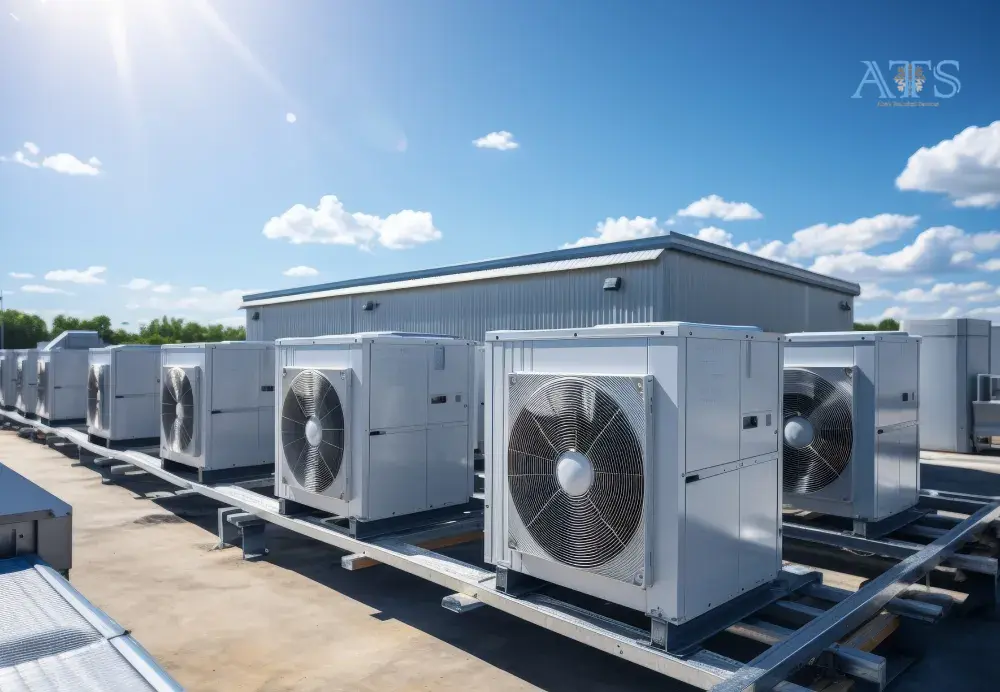
Afzali Consulting specializes in providing comprehensive solutions for HVAC monitoring challenges, combining deep technical expertise with practical, results-driven strategies. By leveraging advanced real-time monitoring technologies, predictive analytics, and adaptive control systems, Afzali Consulting enables facilities to gain full visibility into their HVAC operations, detect anomalies early, and optimize performance across all zones and components.
Our services go beyond simple monitoring. We assist in integrating modern Building Management Systems (BMS) and SCADA platforms, ensuring seamless data flow and actionable insights. With us Consulting, facilities can transform fragmented operational data into strategic intelligence, enabling proactive maintenance, reducing downtime, and maximizing energy savings.
Moreover, Afzali Consulting provides customized advisory services tailored to each facility’s specific operational requirements, with specialized expertise in HVAC Integration for UAE Cold Storage Facilities. We help operators and facility managers implement industry best practices in HVAC monitoring, system calibration, integration, performance optimization, and preventive maintenance to ensure reliable temperature control and operational efficiency.
Our solutions are designed to be scalable, cost-effective, and fully aligned with the latest international industry standards. By integrating advanced HVAC systems with cold storage operations, we enable clients to achieve consistent environmental conditions, improve energy efficiency, maintain regulatory compliance, reduce operational risks, and support long-term sustainable performance across their facilities.
Conclusion
The management and monitoring of HVAC and industrial refrigeration systems face complex challenges in modern facilities. From data fragmentation, interoperability issues, and legacy equipment limitations to energy inefficiencies, operational instability, and zone-level airflow imbalances, the scope of potential problems is broad and multidimensional. Each of these challenges affects not only system efficiency but also equipment longevity, energy costs, and product quality, especially in temperature-sensitive environments such as cold storage warehouses, pharmaceutical plants, and food processing facilities.
Advanced solutions, including real-time monitoring, predictive analytics, adaptive control, and strategic digital integration of BMS and SCADA platforms, provide a path forward. These approaches enable facilities to detect subtle deviations, respond dynamically to fluctuating loads, balance airflow across zones, and optimize energy performance while minimizing mechanical stress on equipment. Digitalization also allows the consolidation of fragmented data into actionable insights, empowering engineers and operators to make informed decisions and proactively manage system performance.
Ultimately, achieving operational reliability, energy efficiency, and sustainability in HVAC and refrigeration systems requires a holistic approach, combining technological upgrades, process optimization, and skilled human oversight. Facilities that successfully address these challenges are better positioned to reduce operational costs, extend equipment lifecycle, ensure product quality, and maintain compliance with regulatory standards. In an era where energy efficiency and sustainability are paramount, mastering these aspects of HVAC and refrigeration management is not just a technical requirement—it is a strategic advantage for modern industrial operations.
No Comments
Sorry, the comment form is closed at this time.