


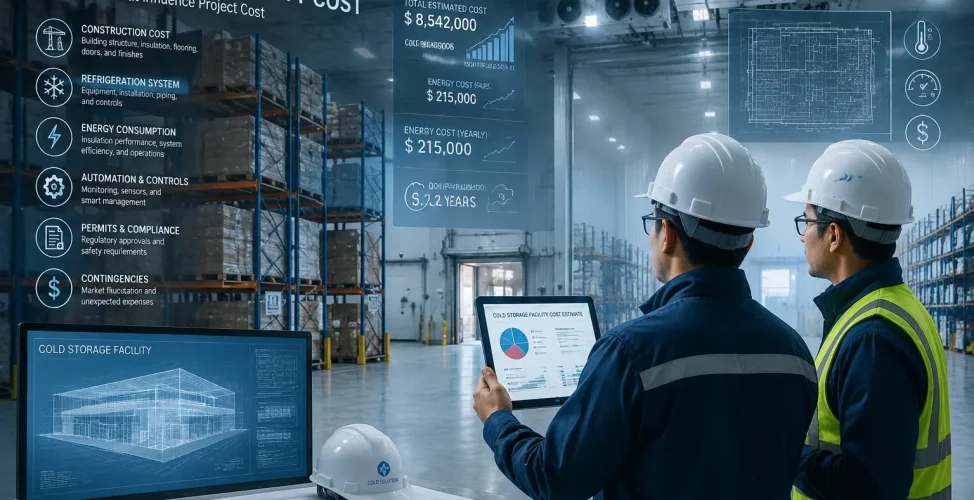
building an industrial cold storage facility is a high-value investment that demands precise planning, engineering expertise, and a clear understanding of both construction and long-term operating expenses. These facilities are essential in sectors such as food processing, pharmaceuticals, agriculture, and logistics, where stable temperature control directly affects product quality, safety, and shelf life. Because cold storage projects rely on specialized insulation, refrigeration systems, and energy-intensive infrastructure, total project costs can vary significantly from one facility to another.
Several key factors shape the overall Cold Storage Facility Cost, including land price, building size, structural design, insulation quality, refrigeration capacity, power infrastructure, and the level of automation integrated into the site. Long-term considerations such as energy efficiency, regulatory compliance, maintenance requirements, and system reliability also have a major impact on total ownership cost. A clear understanding of these variables helps investors, engineers, and facility planners make smarter decisions that align operational performance with budget control and long-term sustainability.
Cold Storage Planning and Infrastructure Costs
Cold storage planning and infrastructure costs represent one of the earliest and most influential stages in building an industrial cold storage facility. Before construction begins, developers must evaluate land suitability, environmental conditions, logistics accessibility, and regulatory requirements. These early decisions directly affect the efficiency, scalability, and long‑term operational costs of the facility. Proper planning ensures that the cold storage facility can support heavy refrigeration equipment, maintain structural stability under low temperatures, and provide adequate space for storage and logistics operations.
Infrastructure planning also includes designing utility connections such as electricity, water supply, drainage systems, and transportation access. Industrial cold storage facilities typically require high electrical capacity to support compressors, condensers, and automated storage systems. In addition, proper site preparation, grading, and foundation reinforcement are necessary to support insulated panels, refrigeration machinery, and heavy storage racks. Careful infrastructure planning helps prevent costly design modifications later and ensures the facility operates efficiently for decades.
Site Selection and Land Acquisition for Cold Storage Facilities
Site selection is a fundamental factor that significantly influences the cost of building an industrial cold storage facility. The location must provide sufficient space for the building structure, refrigeration systems, truck access, and future expansion. Proximity to transportation networks such as highways, ports, and distribution centers is particularly important for cold chain logistics. Land located in strategic industrial zones often costs more initially but can significantly reduce transportation and operational expenses in the long term.
Another important aspect of site selection is evaluating environmental and geotechnical conditions. Soil stability, groundwater levels, and flood risk can all affect construction costs and foundation design. In some cases, land may require additional preparation such as soil stabilization or drainage systems before construction begins. These site‑specific factors can add considerable costs but are essential for ensuring the structural safety and longevity of the cold storage facility.
Engineering Design and Cold Storage Facility Planning
Engineering design is another major cost factor during the planning stage of industrial cold storage construction. A comprehensive design process includes architectural planning, structural engineering, refrigeration system layout, insulation configuration, and logistics flow optimization. Engineers must carefully design the facility to maintain stable temperatures, minimize thermal losses, and support the heavy mechanical loads associated with industrial refrigeration systems.
Advanced planning also includes capacity forecasting, warehouse layout design, and workflow optimization. Cold storage facilities often incorporate specialized zones such as blast freezing rooms, chilled storage areas, and loading docks with temperature control. Proper engineering design ensures efficient product movement, reduces energy consumption, and prevents operational bottlenecks. Investing in high‑quality engineering planning during early stages can significantly reduce operational costs and system inefficiencies in the future.
Permits, Regulations, and Compliance Costs
Regulatory compliance is an unavoidable part of constructing industrial cold storage facilities. Developers must obtain multiple permits related to construction, environmental protection, fire safety, refrigeration systems, and industrial operations. These regulatory approvals often require detailed engineering documentation, environmental impact assessments, and inspections by local authorities.
Compliance costs can vary depending on regional regulations and industry standards. Facilities using ammonia refrigeration systems, for example, may need additional safety documentation and risk management planning. While these processes add to the initial project budget, they are essential for ensuring safe operation, environmental responsibility, and legal compliance. Properly managing regulatory requirements during the planning stage helps prevent costly delays and construction interruptions.
Cold Storage Construction Factors
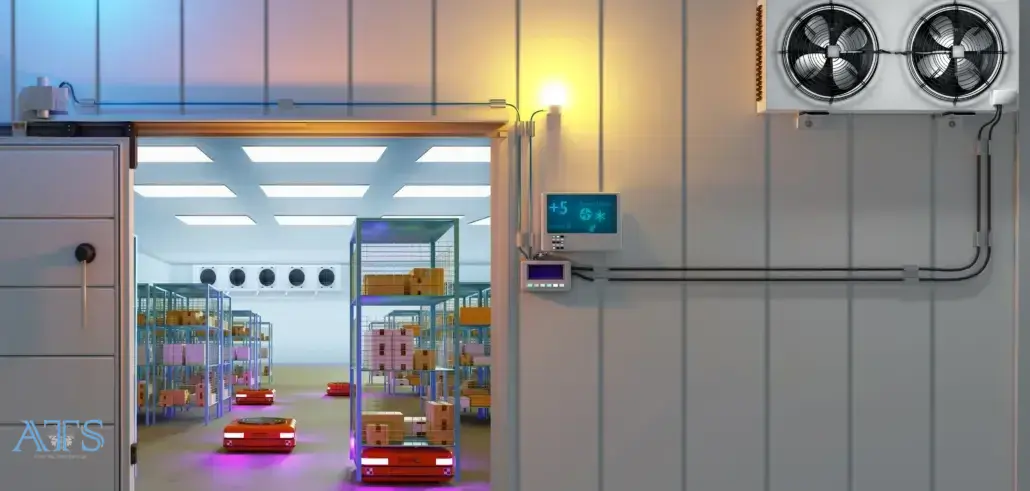
Construction and structural factors form one of the most cost‑intensive phases in building an industrial cold storage facility. Unlike conventional warehouses, cold storage buildings require highly specialized materials, insulated panels, reinforced foundations, and precision‑engineered structural elements that can withstand extreme temperature variations. These construction requirements significantly influence the overall project budget, especially considering the need for airtight building envelopes and thermal‑resistant components that prevent energy loss.
The structural design also determines the facility’s long‑term durability and operational efficiency. Elements such as floor heating systems, heavy‑duty industrial flooring, high‑performance doors, and reinforced roof systems must be carefully engineered to support refrigeration loads and maintain consistent temperatures. Well‑designed construction not only reduces maintenance costs but also contributes to improved energy efficiency and higher product safety during storage operations.
Building Envelope and Insulation Systems
The building envelope is one of the most critical elements in cold storage construction, as it directly affects thermal efficiency and long‑term operating costs. High‑performance insulation materials such as polyurethane (PU) and polyisocyanurate (PIR) sandwich panels are commonly used to minimize heat transfer and maintain stable internal temperatures. The cost of insulation typically represents a major portion of construction expenses because it affects energy consumption, cooling load, and overall system efficiency.
Installing the insulation also requires precision to ensure airtight sealing and eliminate thermal bridging. Any gaps in the building envelope can cause temperature fluctuations, excess energy use, and potential product spoilage. For this reason, construction teams use vapor barriers, insulated floor systems, and specialized installation methods to achieve maximum thermal integrity. Investing in high‑quality insulation reduces operating costs significantly over the lifetime of the facility.
Industrial Flooring and Sub‑Floor Heating Systems
Industrial flooring in cold storage facilities must be designed to withstand heavy loads, freezing temperatures, moisture, and continuous forklift traffic. Concrete floors reinforced with high‑strength materials are commonly used to prevent cracking under thermal stress. The flooring system also needs adequate vapor barriers to reduce moisture intrusion, which can compromise structural integrity over time. Because flooring defects can disrupt operations and require expensive repairs, high‑quality construction is essential.
Sub‑floor heating systems are another important component, especially in low‑temperature and freezer rooms. These systems prevent ground freezing beneath the structure, which can cause frost heave and damage the foundation. Electrical heating cables or glycol‑based hydronic systems are typically installed to maintain stable sub‑surface temperatures. Although sub‑floor heating adds to construction costs, it plays a crucial role in protecting the foundation and ensuring long‑term structural stability.
Specialized Loading Docks and High‑Performance Doors
Loading docks and high‑performance doors are essential components in cold storage construction because they directly influence energy efficiency and temperature stability. Modern dock systems include insulated dock shelters, air curtains, and hydraulic levelers designed to minimize air infiltration during loading and unloading. These features help maintain internal temperatures and reduce the refrigeration load, which ultimately lowers energy costs.
High‑performance cold storage doors, including rapid roll‑up doors and insulated sectional doors, are engineered to open and close quickly while providing strong thermal resistance. These doors help prevent warm air infiltration and moisture buildup, both of which can negatively impact product quality. Although they require a higher upfront investment, advanced dock systems and doors improve operational efficiency, reduce thermal loss, and enhance overall facility performance.
for information and contracting consultancy for HVAC systems and refrigeration projects, content us via: +971 50 6348 577 & +971 4 288 6161
Refrigeration and Mechanical Equipment
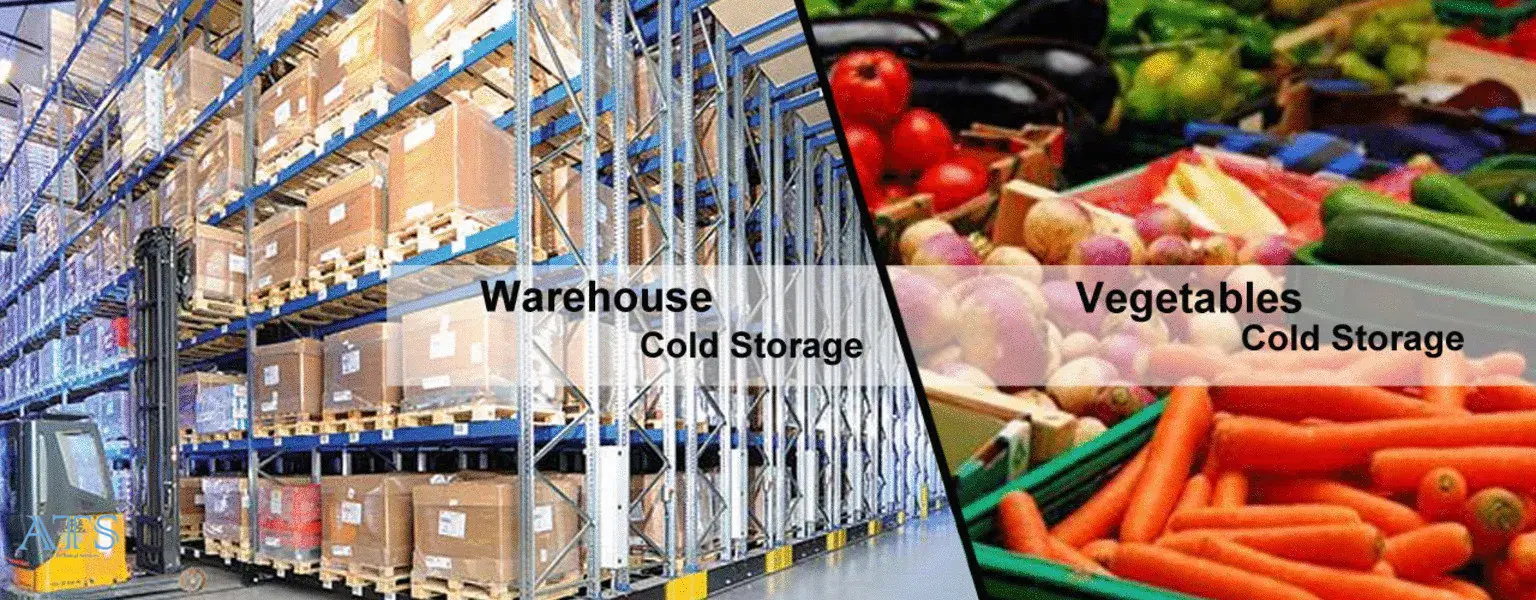
Refrigeration and mechanical equipment represent one of the largest investments in building an industrial cold storage facility. These systems are responsible for maintaining precise temperature conditions required for preserving perishable products such as food, pharmaceuticals, and agricultural goods. The design and selection of refrigeration equipment significantly influence the facility’s energy consumption, operational reliability, and long‑term maintenance costs.
Industrial cold storage refrigeration systems typically consist of compressors, condensers, evaporators, expansion valves, and complex piping networks that circulate refrigerants throughout the facility. In addition to these core components, mechanical systems such as pumps, ventilation units, and cooling towers play a crucial role in supporting heat exchange and temperature regulation. Choosing high‑quality equipment and designing an optimized mechanical layout can greatly improve system efficiency and reduce operational costs over time.
Industrial Refrigeration Compressors
Compressors are the core component of any industrial refrigeration system and typically account for a significant portion of the equipment cost. Their primary function is to compress the refrigerant vapor and circulate it through the refrigeration cycle. Several types of compressors are commonly used in cold storage facilities, including screw compressors, reciprocating compressors, and centrifugal compressors, each suited for different capacity and efficiency requirements.
The selection of compressor technology affects energy consumption, system reliability, and maintenance frequency. Modern facilities increasingly use variable‑speed compressors and advanced motor control systems to optimize cooling performance based on real‑time demand. Although high‑efficiency compressors may require higher initial investment, they significantly reduce electricity consumption and operating expenses over the lifetime of the cold storage facility.
Condensers and Heat Rejection Systems
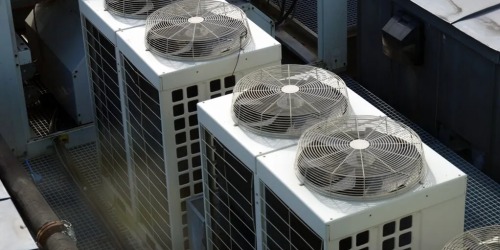
Condensers are responsible for removing heat from the refrigerant after compression and releasing it into the surrounding environment. This process converts high‑pressure refrigerant vapor into liquid form, which is essential for maintaining the refrigeration cycle. Industrial cold storage facilities often use air‑cooled condensers, evaporative condensers, or water‑cooled condensers depending on climate conditions, system capacity, and energy efficiency goals.
The design of the heat rejection system plays a major role in overall system performance. Efficient condensers reduce compressor workload, lower energy consumption, and improve temperature stability within the storage areas. Proper condenser sizing, airflow management, and water treatment systems are also important to maintain reliable performance and prevent issues such as scaling, corrosion, or reduced heat transfer efficiency.
Evaporators and Air Distribution Systems
Evaporators are responsible for absorbing heat from the cold storage environment and transferring it to the refrigerant circulating within the system. These units are typically installed inside cold rooms or freezer chambers and play a crucial role in maintaining consistent internal temperatures. Industrial evaporators are designed with large heat exchange surfaces and powerful fans to ensure efficient heat absorption and uniform air circulation.
Air distribution systems connected to evaporators are equally important for maintaining product quality. Proper airflow prevents temperature stratification and ensures that all stored goods receive uniform cooling. Advanced evaporator designs may include defrost systems, corrosion‑resistant coatings, and energy‑efficient fan motors that improve operational performance while reducing maintenance and energy consumption.
Refrigerant Management and Piping Systems
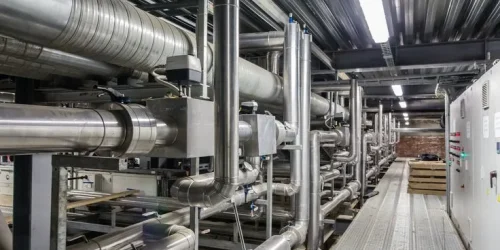
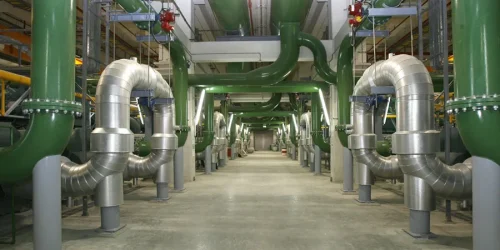
Refrigerant management and piping infrastructure are essential for connecting all refrigeration components within a cold storage facility. Industrial refrigeration systems rely on extensive piping networks to transport refrigerant between compressors, condensers, evaporators, and expansion devices. Proper pipe sizing, insulation, and layout design are critical to maintaining system efficiency and preventing pressure losses.
In addition, refrigerant management involves leak prevention, oil return systems, and proper refrigerant charge control. Facilities using natural refrigerants such as ammonia or carbon dioxide must implement additional safety measures and monitoring systems. Although piping and refrigerant management systems may not always receive the same attention as major equipment, their design and installation significantly impact the reliability, safety, and long‑term performance of the entire refrigeration system.
Operational Efficiency and Technology Integration
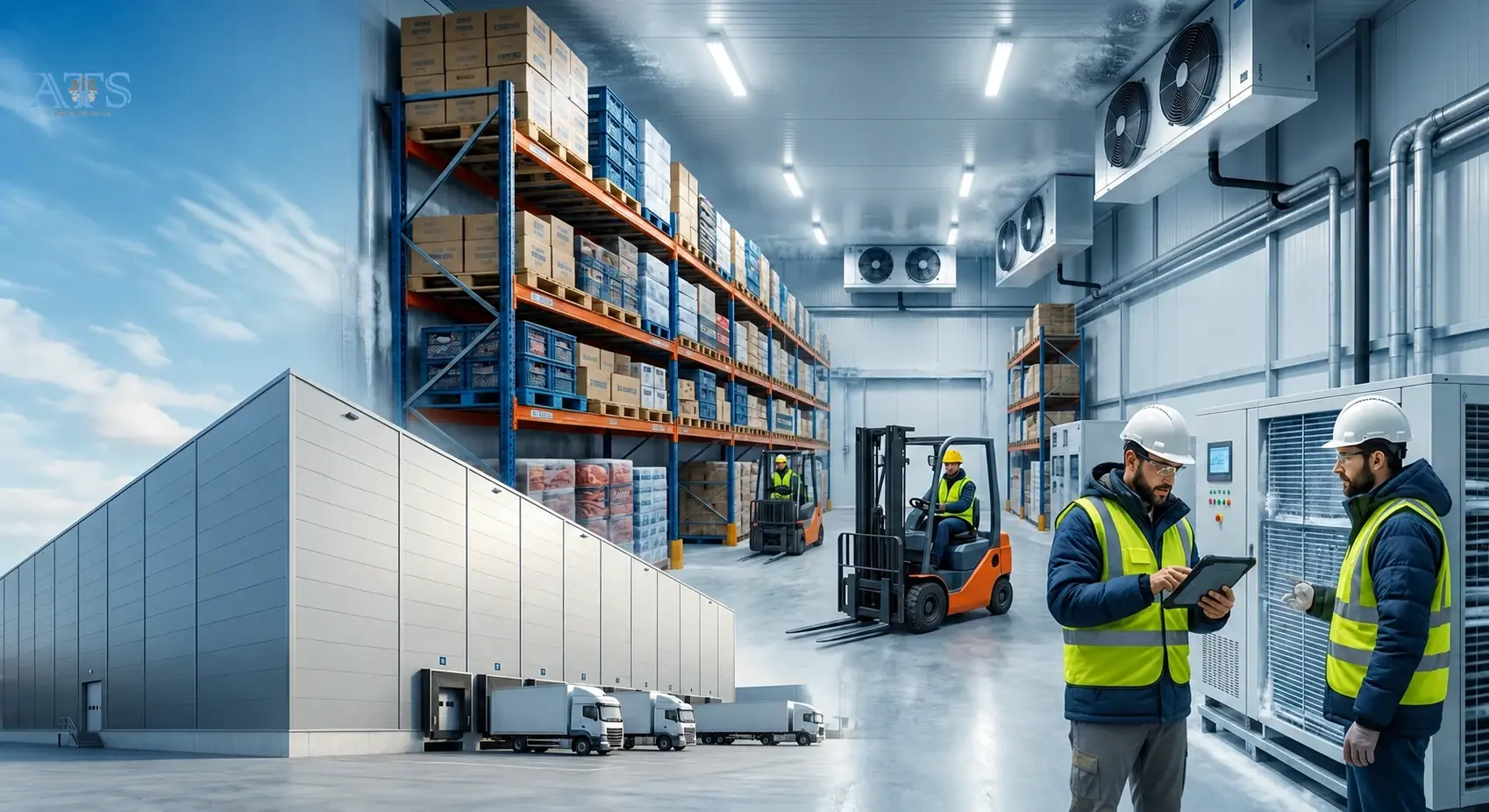
Operational efficiency and technology integration play a crucial role in determining the long‑term profitability and performance of an industrial cold storage facility. While construction and refrigeration equipment represent significant upfront investments, the operational phase determines how efficiently the facility uses energy, labor, and resources over time. Modern cold storage facilities increasingly rely on advanced technologies to optimize temperature control, reduce energy consumption, and streamline warehouse operations.
Integrating digital technologies, automation systems, and intelligent monitoring platforms allows facility managers to maintain precise environmental conditions while minimizing operational costs. Smart refrigeration controls, data‑driven energy management, and automated storage systems help improve productivity and reduce human error. As cold chain logistics become more complex, investing in advanced operational technologies has become a key factor in maintaining competitiveness and ensuring reliable product preservation.
Energy Efficiency Investments and Long‑term Operating Costs
Energy consumption represents one of the largest operational expenses in industrial cold storage facilities. Refrigeration systems operate continuously to maintain low temperatures, which makes energy efficiency a critical factor in controlling long‑term costs. Investing in high‑efficiency compressors, advanced insulation systems, variable‑speed drives, and optimized airflow management can significantly reduce electricity consumption.
Energy management systems are also increasingly used to monitor and optimize facility performance. These systems collect real‑time data on temperature, equipment load, and power usage, allowing operators to identify inefficiencies and adjust system parameters accordingly. Although energy‑efficient technologies may increase the initial capital investment, they typically provide substantial savings in operating costs over the lifetime of the cold storage facility.
Storage Systems and Material Handling Equipment
Efficient storage systems are essential for maximizing the capacity and operational efficiency of cold storage facilities. High‑density racking systems, pallet storage solutions, and mobile shelving structures allow operators to utilize available space more effectively while maintaining proper airflow for temperature control. The design of storage infrastructure must also consider product rotation, accessibility, and safety.
Material handling equipment such as forklifts, automated guided vehicles (AGVs), and pallet conveyors play a key role in moving products within the facility. Modern cold storage warehouses increasingly adopt electric forklifts and automated transport systems designed to operate efficiently in low‑temperature environments. These technologies help reduce labor costs, improve operational speed, and minimize the risk of product damage.
Automation, IoT, and Smart Monitoring Systems
Automation and digital monitoring technologies are transforming the way modern cold storage facilities operate. Internet of Things (IoT) sensors can continuously monitor temperature, humidity, equipment performance, and energy consumption throughout the facility. These sensors provide real‑time data that allows operators to respond quickly to potential problems and maintain optimal storage conditions.
Smart monitoring platforms often integrate with building management systems and refrigeration controls, enabling remote supervision and predictive maintenance. Advanced analytics can identify patterns that indicate equipment wear or potential failures before they occur. By implementing automation and IoT technologies, cold storage operators can improve reliability, enhance food safety, and reduce both maintenance costs and operational risks.
Cold Storage Engineering and Construction by Afzali
Designing and building a modern cold storage facility requires far more than installing refrigeration equipment. A successful project depends on precise engineering, energy‑efficient infrastructure, and a deep understanding of temperature‑controlled logistics. Companies planning a new facility must carefully evaluate insulation systems, refrigeration capacity, structural design, and operational efficiency to control the overall Cold Storage Facility Cost.
Afzali provides comprehensive cold storage engineering and construction solutions for industrial facilities, food processing plants, logistics hubs, and pharmaceutical storage centers. By combining engineering expertise with advanced refrigeration technologies, Afzali helps businesses develop reliable cold storage environments that ensure product safety, operational efficiency, and long‑term cost optimization.
Industrial Cold Storage Design and Engineering Expertise
Every cold storage project begins with a detailed engineering strategy. Proper load calculations, insulation planning, airflow management, and refrigeration system design play a crucial role in determining both construction cost and long‑term energy consumption.
Afzali’s engineering team focuses on optimizing system performance while maintaining strict temperature stability. From structural planning to refrigeration integration, each stage is designed to support high‑performance industrial cold storage operations.
HVAC and Industrial Refrigeration Consulting
Professional engineering consultation is essential when developing large‑scale refrigeration facilities. Businesses often rely on specialized experts to design efficient cooling systems, select appropriate refrigeration technologies, and ensure compliance with industrial standards.
For advanced system design and consulting services, businesses can work with experienced HVAC Consultants & Industrial Refrigeration and Contractors who specialize in industrial cooling infrastructure and temperature‑controlled facility development.
End‑to‑End Cold Storage Construction Solutions
Cold storage construction involves multiple technical components, including insulated panel systems, refrigeration piping networks, compressor units, and advanced monitoring systems. Coordinating these elements requires extensive experience in industrial refrigeration engineering.
Afzali supports clients through every phase of the project—from initial design and feasibility studies to construction, system installation, and operational optimization—ensuring that each facility delivers reliable cooling performance while maintaining cost efficiency.
No Comments
Sorry, the comment form is closed at this time.