

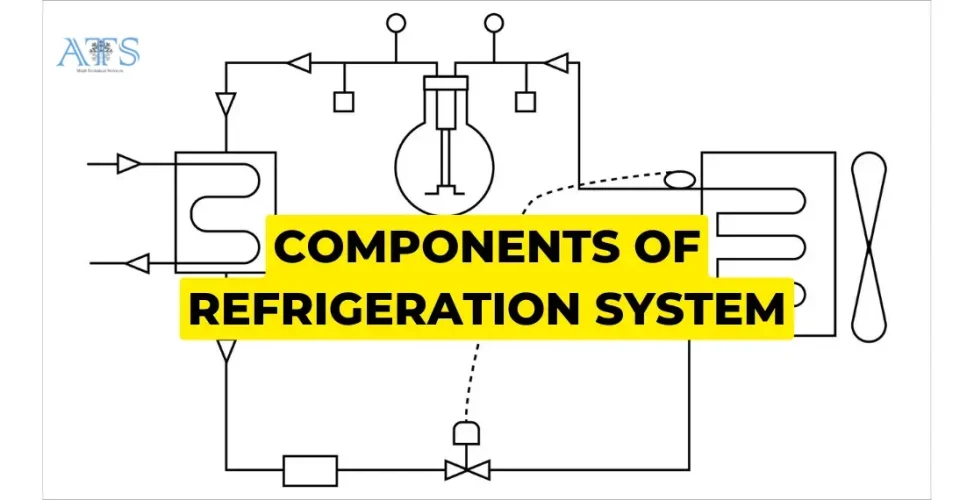
Modern industrial refrigeration systems play a crucial role in maintaining product quality, ensuring safety, and supporting efficient operations across many industries. Understanding the Key Components of Industrial Refrigeration Systems is essential for engineers, technicians, and facility managers who aim to design, operate, and maintain reliable cooling solutions. From food processing and cold storage facilities to pharmaceutical manufacturing and chemical plants, these systems remove heat from large-scale environments while maintaining precise temperature control.
Unlike traditional refrigeration units used in homes or small businesses, industrial refrigeration systems are complex infrastructures made up of several integrated components working together. Key elements such as compressors, condensers, evaporators, expansion devices, control systems, and refrigerants interact to create a stable, efficient, and energy‑optimized cooling cycle that supports large‑scale industrial operations.
Core Components of Industrial Refrigeration Systems
Industrial refrigeration systems are built around several critical components that work together to create an efficient cooling cycle. These systems are designed to remove heat from large industrial environments such as cold storage warehouses, food processing plants, pharmaceutical facilities, and chemical manufacturing sites. Each component within the refrigeration system performs a specific function that contributes to maintaining stable temperatures and ensuring reliable system operation.
Understanding the core components of industrial refrigeration systems is essential for engineers, technicians, and facility managers who are responsible for designing, operating, or maintaining these systems. From compressors that drive the refrigeration cycle to evaporators that absorb heat, every element plays a key role in overall system efficiency, energy consumption, and operational safety.
Industrial Refrigeration Compressors
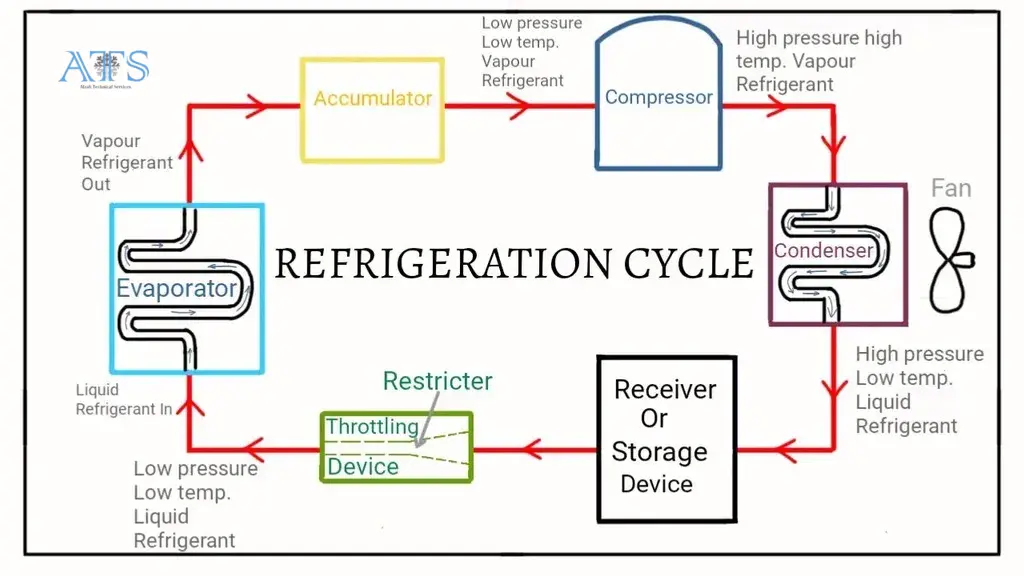
Industrial refrigeration compressors act as the heart of the refrigeration cycle. Their main function is to compress low‑pressure refrigerant vapor coming from the evaporator and increase its pressure and temperature before it enters the condenser. This compression process allows the refrigerant to circulate through the system and release the absorbed heat efficiently.
Different types of compressors are used in modern industrial refrigeration systems, including reciprocating, screw, and centrifugal compressors. Screw compressors are particularly common in large industrial facilities because they offer high efficiency, continuous operation capability, and reliable performance under heavy loads. Selecting the appropriate compressor type directly affects system performance and long‑term operational costs.
Condensers in Industrial Refrigeration Systems
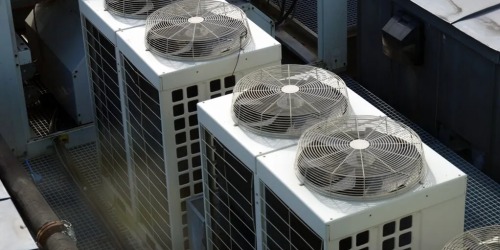
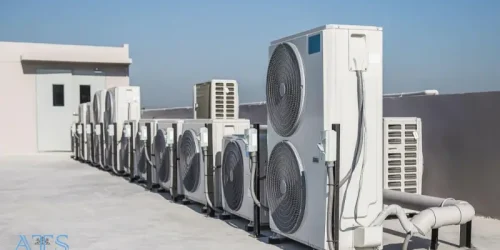
Condensers are responsible for removing heat from the high‑pressure refrigerant vapor that leaves the compressor. When the refrigerant enters the condenser, it releases heat to the surrounding air or water and gradually changes from vapor into liquid form. This phase change is a critical step in the refrigeration cycle and allows the system to continue transferring heat effectively.
Industrial refrigeration systems use several types of condensers, including air‑cooled, water‑cooled, and evaporative condensers. Evaporative condensers are widely used in large refrigeration plants because they combine air and water cooling to improve heat transfer efficiency while reducing overall energy consumption.
Evaporators and Heat Absorption
Evaporators are the components where the actual cooling process takes place. In this part of the system, the refrigerant absorbs heat from the surrounding environment and evaporates into vapor. This heat absorption lowers the temperature of the air, products, or liquids that need to be cooled.
Various evaporator designs are used depending on the application, including plate evaporators, shell‑and‑tube evaporators, and air‑cooling evaporators. Proper evaporator selection is important for maintaining efficient heat transfer and achieving consistent cooling performance in industrial refrigeration systems.
Expansion Valves and Refrigerant Control
Expansion valves regulate the flow of refrigerant entering the evaporator and reduce its pressure before the cooling process begins. By lowering the pressure of the liquid refrigerant, the expansion valve allows it to expand and partially evaporate, creating the low temperature conditions necessary for heat absorption.
Modern industrial refrigeration systems often use advanced expansion devices such as thermostatic expansion valves and electronic expansion valves. These technologies allow more precise control of refrigerant flow, improving system efficiency and reducing energy consumption.
Read More: Key Factors Industrial Cold Storage facility
Supporting Components and System Infrastructure
Supporting components and system infrastructure form the backbone of modern industrial refrigeration systems. While the core components perform the primary cooling functions, the supporting elements ensure stability, efficiency, safety, and proper refrigerant distribution across the entire installation. These components help optimize system performance, reduce energy losses, and extend the lifespan of critical equipment.
Understanding these supporting systems is vital for maintaining consistent operational efficiency. From piping networks that distribute refrigerant to advanced automation systems that monitor and control performance, each element plays an essential role in ensuring reliable cooling in demanding industrial environments.
Refrigeration Piping and Distribution Systems
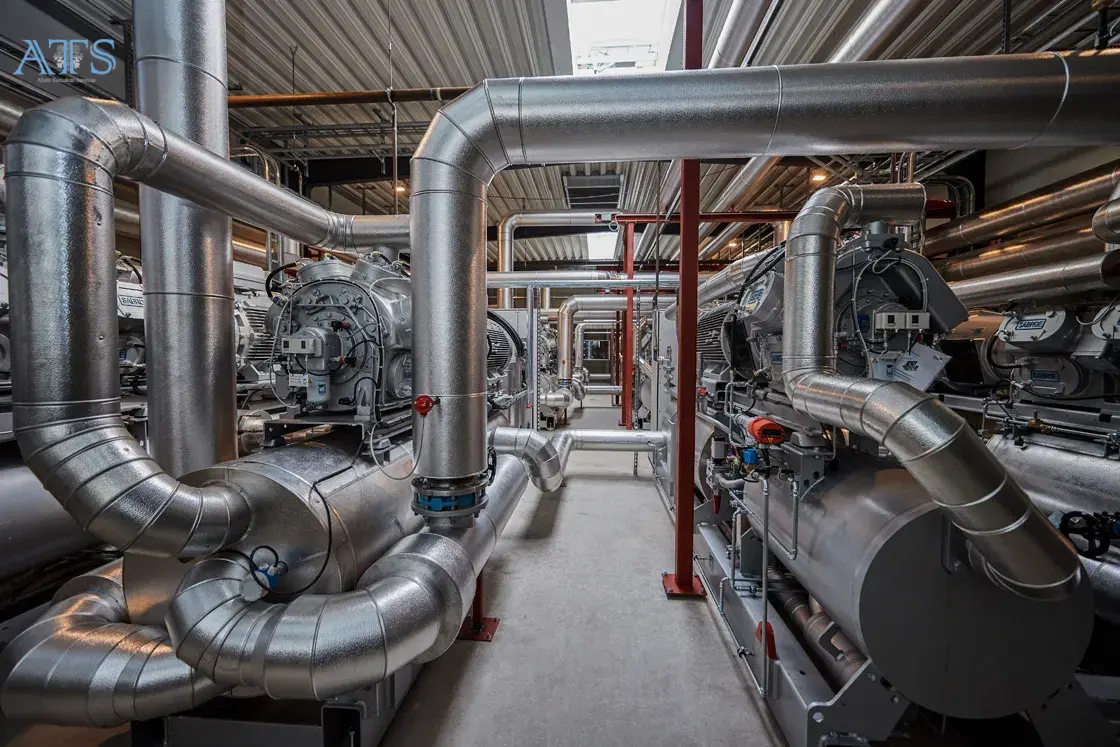
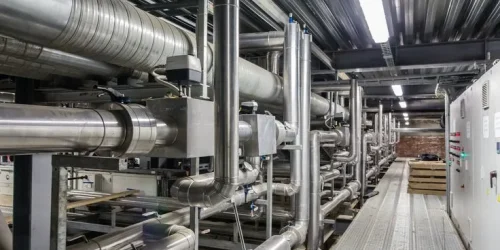
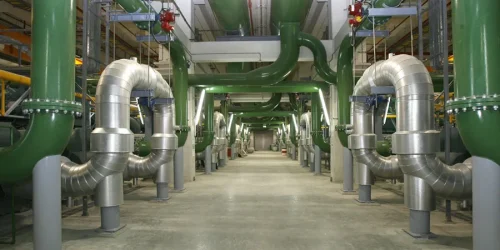
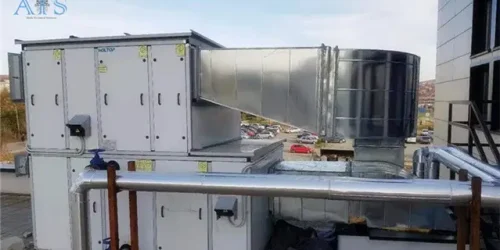
Refrigeration piping systems serve as the circulatory network of an industrial cooling installation. These pipes transport refrigerant between compressors, condensers, evaporators, and expansion devices. The design of the piping system must ensure minimal pressure drop, proper refrigerant velocity, and resistance to leaks or contamination. Poorly designed piping can result in reduced efficiency, oil return problems, or even system failure.
Materials commonly used for industrial refrigeration piping include steel, copper, and stainless steel, depending on the type of refrigerant and operating conditions. Insulation is another critical aspect of piping infrastructure, preventing unwanted heat gain and ensuring consistent refrigerant temperatures. Proper installation and maintenance of piping systems significantly contribute to long-term system reliability.
Industrial Refrigeration Control Systems and Automation
Control systems and automation technologies have become essential in modern industrial refrigeration systems. These systems monitor critical parameters such as temperature, pressure, refrigerant levels, and compressor performance. By using sensors, programmable logic controllers (PLCs), and centralized management interfaces, facility managers can optimize system operation, detect faults early, and reduce overall energy consumption.
Advanced automation allows for real-time analysis and intelligent adjustments to maintain stable cooling conditions. Features such as automated defrost cycles, variable-speed drives, and remote system diagnostics enhance system reliability and reduce the need for manual intervention. As industrial environments grow more complex, smart control systems are critical for maintaining operational efficiency.
Heat Exchangers in Industrial Refrigeration
Heat exchangers facilitate efficient heat transfer within industrial refrigeration systems. They are used to manage thermal exchange between different fluids or between refrigerant streams, ensuring optimal operating temperatures. Common types include shell-and-tube heat exchangers, plate heat exchangers, and coaxial units, each offering specific advantages based on system requirements.
In industrial applications, heat exchangers help improve energy recovery, stabilize refrigerant temperature, and enhance overall system efficiency. They also play a role in subcooling and superheating processes, which increase refrigeration capacity and protect key components from thermal stress. Proper selection and maintenance of heat exchangers are essential for ensuring long-term system performance
Oil Management and Separation Systems
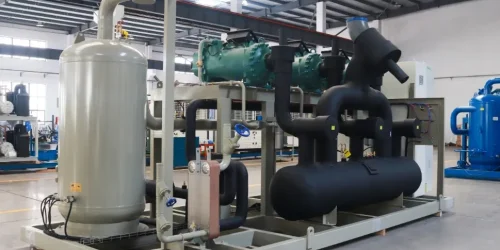
Oil management systems are vital for maintaining compressor performance and preventing oil circulation into components where it can reduce heat transfer efficiency. These systems typically include oil separators, reservoirs, and filtration units to ensure proper oil return and cleanliness. Effective oil management helps protect compressors and maintains optimal lubrication under varying load conditions.
In large industrial refrigeration plants, oil separators are used to remove oil from the refrigerant after compression. This prevents oil from entering evaporators or condensers, where it can reduce system efficiency. Regular monitoring and maintenance of oil levels, quality, and filtration are essential for ensuring stable long-term operation of the refrigeration system.
Find Out More: monitoring and management of HVAC systems
Efficiency and Modern Technology
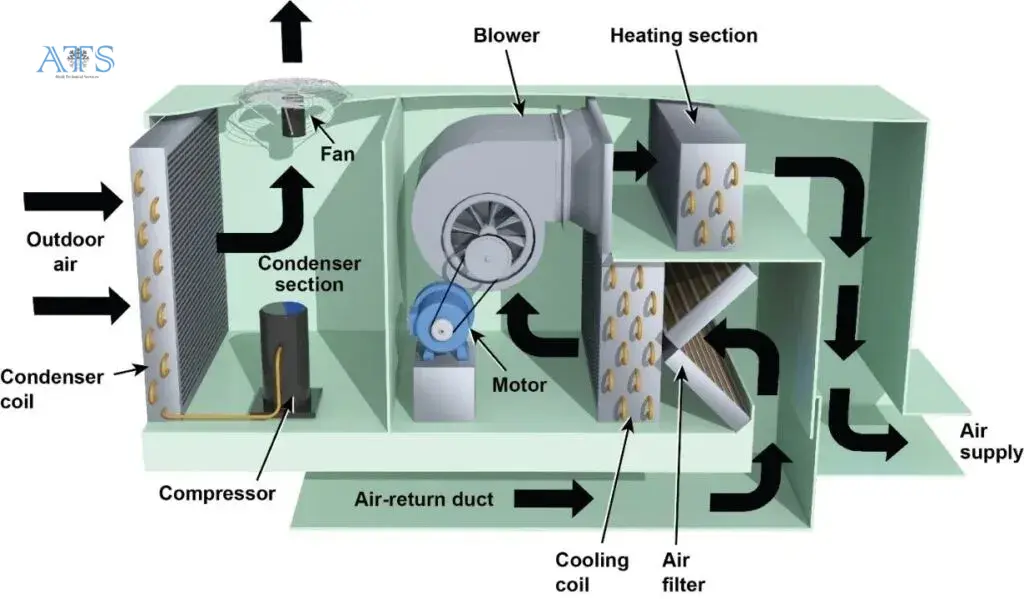
Efficiency and modern technology play a crucial role in shaping the performance of today’s industrial refrigeration systems. As energy costs rise and environmental regulations become stricter, facilities must adopt innovative solutions that improve system efficiency while reducing emissions and operational expenses. Modern refrigeration technologies focus on optimizing the cooling cycle, minimizing energy losses, and incorporating intelligent automation.
Advancements such as variable‑speed compressors, smart monitoring systems, heat recovery technologies, and eco‑friendly refrigerants have transformed industrial refrigeration into a highly efficient and sustainable field. Understanding these technologies allows industrial operators to make informed decisions that extend equipment life, reduce downtime, and significantly lower energy consumption.
Variable-Speed Compressors and Advanced Motor Technologies
Variable-speed compressors (VSD or VFD-driven) have become one of the most effective technologies for improving energy efficiency in industrial refrigeration systems. Instead of operating at a fixed speed, these compressors adjust their speed based on cooling demand, allowing the system to consume only the amount of energy required at any given moment. This reduces power consumption, minimizes mechanical wear, and ensures more precise temperature control.
Advanced motor technologies such as permanent magnet motors (PMM) further enhance system efficiency. These motors offer higher performance, lower energy losses, and increased reliability, especially in demanding industrial environments. When combined with variable-speed control, they provide significant long-term savings and improved system stability.
Smart Monitoring and IoT Integration
Smart monitoring systems use IoT-based sensors and cloud‑connected platforms to provide real-time insight into refrigeration system performance. These tools track parameters such as temperature, pressure, refrigerant levels, energy usage, and component health. By analyzing this data, operators can detect issues early, optimize settings, and prevent costly downtime.
IoT integration enables remote monitoring and automated alerts, allowing facility managers to respond quickly to anomalies. Predictive maintenance, powered by AI algorithms, can anticipate equipment failures before they occur, reducing repair costs and ensuring continuous system operation. This technological shift enhances overall reliability and operational efficiency across large industrial facilities.
Heat Recovery and Energy Optimization Technologies
Heat recovery systems capture waste heat generated during the refrigeration process and repurpose it for useful applications such as water heating, space heating, or industrial processes. This not only reduces total energy consumption but also helps facilities comply with sustainability goals and environmental regulations. Heat reclaim systems can significantly improve overall energy efficiency in industrial plants.
Additional optimization technologies include floating head pressure control, adaptive defrost systems, and advanced energy management software. These solutions dynamically adjust operating parameters to improve efficiency under varying conditions. By reducing unnecessary energy usage, facilities can achieve substantial operational savings and extended equipment life.
Eco‑Friendly Refrigerants and Sustainable Solutions
The shift toward environmentally friendly refrigerants is a major trend in modern industrial refrigeration. Natural refrigerants such as ammonia (NH₃), carbon dioxide (CO₂), and hydrocarbons offer high efficiency and low environmental impact. These refrigerants have low global warming potential (GWP) and comply with international environmental standards, making them ideal for future‑ready industrial systems.
Sustainable solutions also include system designs optimized for lower charge volumes, improved leak detection technologies, and energy-efficient components. Facilities adopting these eco‑friendly approaches benefit from reduced emissions, enhanced system performance, and long-term cost savings. As sustainability becomes a global priority, the adoption of green refrigeration technologies continues to accelerate.
Safety and Maintenance
Safety and maintenance are critical pillars of industrial refrigeration system management. Because these systems operate under high pressure, use specialized refrigerants, and rely on complex mechanical components, ensuring safe operation is essential to protecting both personnel and equipment. A well‑designed safety program helps facilities minimize operational risks, prevent accidents, and comply with industry standards.
Proper maintenance practices also play a vital role in maximizing system reliability and performance. Routine inspections, predictive maintenance technologies, and adherence to manufacturer guidelines help prevent equipment failures, reduce downtime, and extend the lifespan of refrigeration assets. Together, safety and maintenance form the foundation of a stable, efficient, and long‑lasting industrial refrigeration operation.
Safety Standards and Risk Management
Industrial refrigeration systems must comply with strict safety standards to ensure safe operation and minimize hazards. Organizations such as IIAR, ASHRAE, and OSHA provide guidelines on system design, installation, operation, and emergency response procedures. These standards help reduce risks associated with refrigerant leaks, pressure vessel failures, electrical hazards, and improper system handling.
Effective risk management includes regular hazard assessments, proper labeling of components, and ensuring staff are trained to handle refrigerants safely. Emergency protocols, such as evacuation plans and leak containment procedures, are also essential. Facilities that invest in strong safety programs experience fewer incidents and maintain higher operational stability.
Routine Inspection and Preventive Maintenance
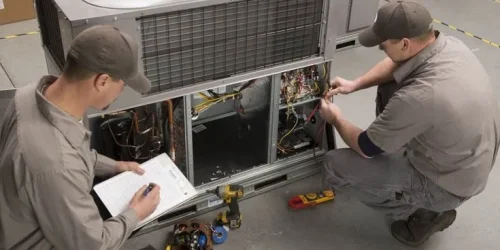
Routine inspections are essential for identifying early signs of wear, leaks, or system inefficiencies. Key components such as compressors, condensers, evaporators, and electrical systems must be examined regularly to ensure proper operation. Preventive maintenance schedules help facilities avoid unexpected failures by replacing parts before they reach critical wear levels.
Preventive maintenance also includes checking refrigerant levels, monitoring oil conditions, cleaning heat exchangers, and verifying sensor accuracy. Implementing a structured maintenance program not only improves reliability but also reduces operating costs by preventing major breakdowns. Facilities that follow consistent maintenance practices benefit from extended equipment life and improved energy efficiency.
Leak Detection and Refrigerant Handling Safety
Leak detection is a critical safety measure in refrigeration systems, especially those using ammonia or other high‑pressure refrigerants. Modern detection technologies include infrared sensors, ultrasonic detectors, and automated alarm systems that quickly identify leaks before they escalate into dangerous situations. Early detection reduces refrigerant loss and prevents harmful exposure.
Safe refrigerant handling requires proper personal protective equipment (PPE), adherence to safety protocols, and specialized training. Personnel must be familiar with refrigerant properties, first‑aid procedures, and storage guidelines. Proper handling practices ensure regulatory compliance and significantly reduce the risk of accidents during maintenance or charging operations.
Emergency Procedures and System Reliability
Emergency procedures ensure that operators can respond quickly and effectively to hazardous situations such as refrigerant leaks, equipment failure, or unexpected pressure surges. These procedures typically include alarm response protocols, evacuation plans, system shutdown steps, and communication guidelines. A well‑organized emergency plan can significantly reduce damage and protect personnel during critical events.
System reliability also depends on the integration of redundant components, backup power systems, and fail‑safe controls. These measures help maintain system operation during unexpected disruptions and reduce downtime. By combining well-designed emergency procedures with robust reliability strategies, facilities can achieve safe, stable, and uninterrupted refrigeration performance.
No Comments
Sorry, the comment form is closed at this time.