



Key Factors Industrial Cold Storage facility is a major investment that directly impacts the long‑term efficiency, operational stability, and profitability of any business involved in food distribution, pharmaceuticals, logistics, or cold chain operations. Whether you are expanding your existing infrastructure or planning a new facility from the ground up, understanding the critical factors that influence design, engineering, and construction is essential for making the right strategic decisions.
A well‑designed cold storage facility must balance energy efficiency, temperature uniformity, storage capacity, insulation standards, and the performance of its refrigeration systems. Each of these elements plays a key role in ensuring product safety, minimizing energy consumption, and maintaining uninterrupted operations—especially in high‑temperature regions such as the UAE, where environmental conditions can significantly affect system performance.
In this guide, we break down the key considerations you should evaluate before starting your cold storage project, from site selection and load calculations to equipment specifications, compliance requirements, and long‑term operational costs. By understanding these factors in advance, businesses can avoid costly design errors, improve overall efficiency, and build a cold storage facility that delivers reliable performance for years to come.
Defining Storage Requirements: Capacity, Temperature Range, and Product Type
One of the most critical steps in planning an industrial cold storage facility is accurately defining the storage requirements. Before any engineering calculations or construction activities begin, project stakeholders must clearly determine the intended storage capacity, required temperature ranges, and the specific type of products that will be stored. These foundational parameters directly influence refrigeration system design, insulation thickness, equipment selection, warehouse layout, and long‑term operational efficiency.
Storage Capacity and Throughput Planning
Storage capacity should not be determined solely based on current inventory levels. Instead, businesses must evaluate projected growth, seasonal demand fluctuations, product turnover rate, and logistical flow within the facility. A well‑designed cold storage warehouse considers pallet positions, racking systems, aisle spacing, loading docks, and material handling equipment to optimize throughput while maintaining temperature stability.
Underestimating capacity can lead to operational bottlenecks and reduced efficiency, while oversizing the facility may result in unnecessary capital expenditure and increased energy consumption. Accurate load forecasting and volume calculations ensure that the facility is engineered to support both present and future operational needs.
Temperature Range and Zoning Requirements
Different products require different storage temperatures, and in many cases, a single facility must accommodate multiple temperature zones. For example, frozen food storage typically operates at -18°C or lower, while chilled products may require temperatures between 0°C and +5°C. Pharmaceutical storage often demands even stricter temperature control with minimal deviation.
Proper temperature zoning impacts refrigeration load calculations, airflow design, evaporator placement, door configuration, and insulation strategy. In high‑ambient regions such as the UAE, external climate conditions further increase thermal load, making precise engineering calculations essential to ensure consistent internal temperature control and energy efficiency.
Product Type and Regulatory Considerations
The nature of the stored products significantly affects cold storage design requirements. Food products, pharmaceuticals, chemicals, or high‑value perishables each come with specific regulatory standards, safety requirements, and humidity control needs. Compliance with HACCP, food safety regulations, pharmaceutical guidelines, and local UAE authorities must be integrated into the design phase from the beginning.
Additionally, product characteristics such as packaging type, stacking limitations, sensitivity to humidity, and shelf life directly influence ventilation design, monitoring systems, and backup redundancy planning. Failing to account for these factors can result in product spoilage, regulatory non‑compliance, and financial losses.
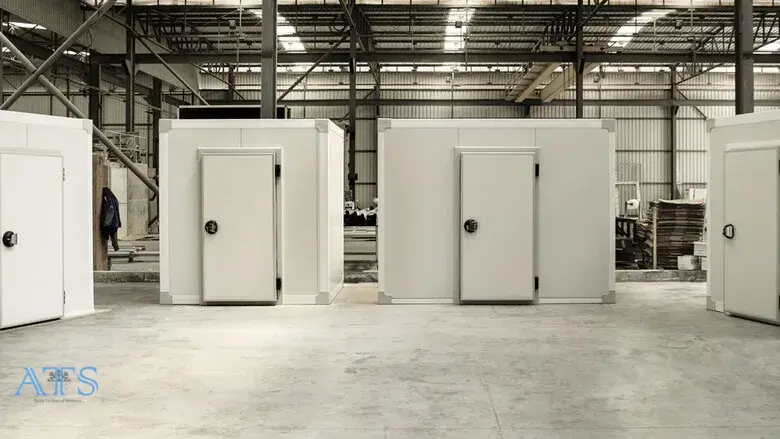
Site Selection and Location Analysis for Cold Storage Facilities
Selecting the right site is one of the most influential decisions in the development of an industrial cold storage facility. The location directly impacts construction costs, long‑term energy consumption, logistics efficiency, regulatory compliance, and overall operational performance. A strategic and data‑driven site analysis ensures that the facility can operate reliably, maintain temperature stability, and support future expansion.
Accessibility, Logistics, and Transportation Network
Cold storage facilities rely heavily on uninterrupted logistics flow. Therefore, proximity to major highways, ports, industrial zones, airports, and distribution hubs is a crucial factor. Efficient transportation access minimizes delivery delays, reduces fuel costs, and supports time‑sensitive cold chain operations.
Additionally, understanding the movement patterns of suppliers, distributors, and customers is essential. A location near the primary supply chain routes reduces transit time and helps maintain product integrity, especially for perishable or temperature‑sensitive goods. For markets like the UAE, being near Jebel Ali Port, Khalifa Port, or major free zones can significantly enhance competitiveness.
Environmental, Climatic, and Energy Considerations
Climate has a direct impact on refrigeration load and energy consumption. In hot climates such as the GCC region, ambient temperatures increase thermal stress on insulation and refrigeration systems. Selecting a site with favorable environmental conditions—or at least designing with these factors in mind—is critical for long‑term cost control.
Ground conditions also play a crucial role; soil type affects foundation requirements, while wind exposure, humidity levels, and flood risk influence building design and insulation strategies. Energy availability, reliability of power supply, and access to alternative energy sources should also be thoroughly evaluated.
Zoning Regulations, Permits, and Compliance
Every region has its own zoning laws and building regulations that dictate where industrial cold storage facilities can be constructed. Compliance with municipal guidelines, environmental regulations, HACCP requirements, food safety standards, and pharmaceutical storage rules must be assessed during the initial planning phase.
In markets like the UAE, developers must also consider free zone regulations, utility authority requirements, and specific approvals for refrigeration systems, ammonia plants, or high‑capacity electrical installations. Early engagement with regulatory bodies helps prevent delays and ensures smoother project execution.
Land Size, Scalability, and Future Expansion
Cold storage facilities typically require significant land area not only for current operations but also for future expansion. Adequate space for additional chambers, loading docks, solar installations, or automated storage systems must be considered early on.
Choosing a site with limited expansion potential may restrict business growth and require costly relocation later. A scalable site supports long‑term operational strategy and enhances overall return on investment.
Infrastructure Availability and Utility Capacity
Reliable access to utilities such as electricity, water, sewage systems, and telecommunications is essential for cold storage operation. Refrigeration systems require substantial and stable electrical power, making grid capacity and redundancy critical considerations.
The availability of infrastructure such as drainage, fire safety systems, broadband connectivity, and security also impacts both construction feasibility and operational performance. Locations with existing industrial infrastructure typically reduce capital expenditure and speed up project timelines.
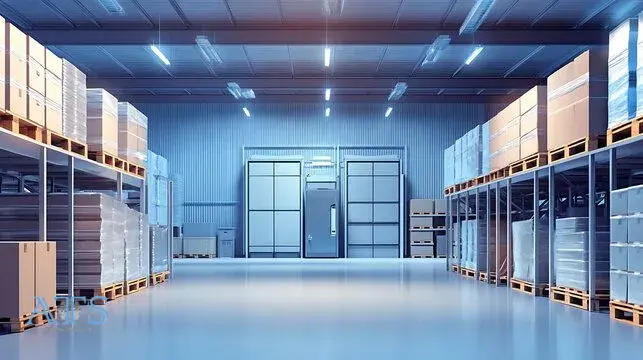
Cold Storage Facility Design Principles for Maximum Operational Efficiency
Designing an industrial cold storage facility requires a careful balance between engineering precision, operational practicality, and long‑term energy performance. The effectiveness of a cold storage warehouse is determined not only by its refrigeration capacity but by how smartly the building envelope, layout, equipment, and airflow systems work together. By following well‑established design principles, businesses can significantly reduce energy waste, minimize temperature fluctuations, enhance logistics productivity, and extend the lifecycle of their refrigeration assets.
Optimized Layout and Workflow Planning
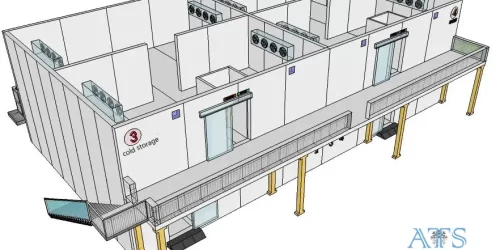
An efficient cold storage design begins with a layout that supports seamless operational flow. The placement of receiving areas, loading docks, racking systems, corridors, and processing zones must reduce unnecessary travel distances and ensure stable temperature conditions. Strategic zoning prevents warm air infiltration and helps maintain thermal integrity during high‑activity periods.
Material handling equipment—such as forklifts, pallet stackers, conveyors, or automated storage and retrieval systems (ASRS)—should be integrated into the design from the beginning. Proper aisle spacing, racking height, and pallet configuration help maximize inventory density without compromising mobility or safety. A well‑designed workflow minimizes downtime, reduces manpower requirements, and ensures consistent product movement across the supply chain.
High‑Performance Building Envelope and Insulation
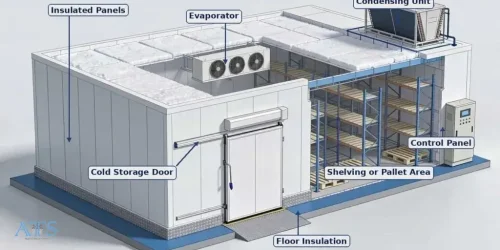
The building envelope is the backbone of cold storage energy performance. High‑quality insulation with proper thickness, vapor barriers, and airtight construction prevents thermal leakage, reduces refrigeration load, and improves temperature consistency. Critical elements include insulated panels, airtight doors, thermal breaks, floor insulation, and moisture control systems.
In hot climates such as the UAE, the building envelope must be engineered to withstand extreme ambient temperatures. Roof insulation, reflective coatings, and vapor pressure management are essential to prevent condensation and structural degradation. A superior building envelope not only ensures temperature stability but also significantly lowers long‑term operating costs.
Efficient Refrigeration System Design
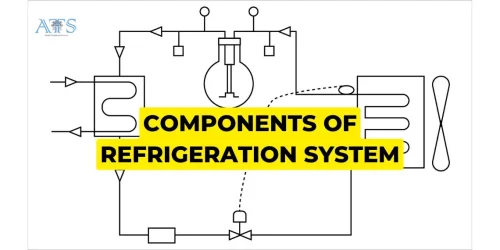
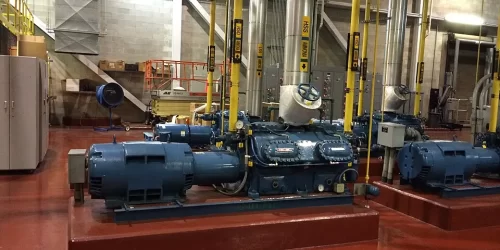
Refrigeration is the largest energy consumer in any cold storage facility, making system selection and configuration essential for optimal performance. Key considerations include compressor type, condenser selection, evaporator placement, refrigerant choice, and defrost strategy.
Centralized refrigeration systems often provide better efficiency for large cold stores, while modular or distributed systems can offer flexibility for multi‑temperature environments. Energy‑saving technologies—such as variable‑speed drives, floating head pressure control, heat recovery, and advanced monitoring systems—enhance both performance and reliability.
Proper equipment sizing is crucial; oversizing leads to unnecessary capital cost and energy waste, while undersizing reduces temperature stability. A well‑engineered system ensures consistent cooling capacity even under peak load conditions.
Airflow Management and Temperature Uniformity
Uniform airflow is essential to maintain stable temperature throughout the facility. Poor airflow design can result in hot spots, moisture buildup, and uneven temperature distribution—all of which compromise product quality.
Engineering considerations include:
- Optimal placement and spacing of evaporators
- Air velocity control to prevent product surface dehydration
- Avoidance of airflow obstructions
- Separation of warm and cold zones to reduce infiltration
- Incorporation of air curtains or insulated rapid‑roll doors
Temperature uniformity ensures compliance with food safety and pharmaceutical standards, reduces spoilage risk, and enhances energy performance.
Intelligent Monitoring, Automation, and Control Systems
Modern cold storage facilities rely heavily on smart controls and automation. Advanced monitoring platforms track temperature, humidity, energy usage, and equipment status in real time. Automated alarms, predictive maintenance algorithms, and remote monitoring capabilities help prevent failures before they occur.
Integration with warehouse management systems (WMS) and building management systems (BMS) enables data‑driven decision‑making, improved traceability, and increased operational efficiency.
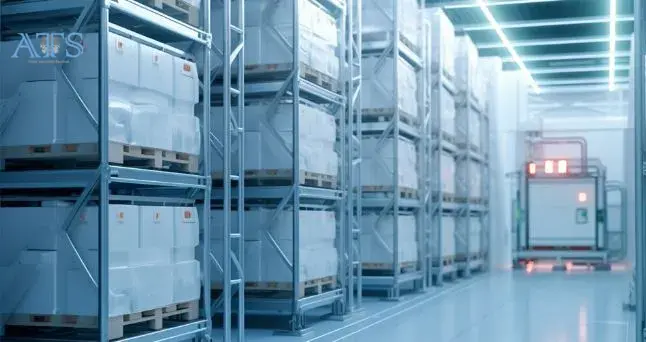
Read More: Key Components of Industrial Refrigeration Systems
Temperature Zoning and Airflow Management in Industrial Cold Storage
Effective temperature zoning and airflow management are fundamental to maintaining product integrity, reducing energy consumption, and ensuring operational stability within industrial cold storage facilities. Because different products require different temperature ranges, humidity levels, and air circulation patterns, a well‑engineered zoning and airflow strategy ensures uniform cooling, minimizes thermal loss, and protects products from temperature deviations that can compromise shelf life and quality.
Strategic Temperature Zoning for Multi‑Product Storage
Industrial cold storage facilities often handle diverse product categories—from frozen foods and pharmaceuticals to fresh produce and chemicals—each requiring unique thermal environments. Temperature zoning allows operators to assign specific areas with tailored thermal conditions to match product requirements.
Key considerations in designing temperature zones include:
- Establishing separate frozen, chilled, and ambient buffer zones
- Engineering thermal separation using insulated partitions and high‑performance doors
- Ensuring smooth product flow between zones to minimize infiltration of warm air
- Designing ante‑rooms and loading docks as transition areas to protect critical temperature rooms
Multi‑temperature zoning also supports operational flexibility, enabling facilities to expand or repurpose storage sections based on seasonal volume shifts or product category changes. When implemented correctly, zoning improves inventory organization, reduces refrigeration load, and enhances long‑term facility performance.
Engineering Airflow for Maximum Cooling Efficiency
Airflow is a critical factor in ensuring consistent cooling and preventing hot spots within storage chambers. Properly designed airflow systems ensure that cold air is evenly distributed, energy consumption is optimized, and temperature stability is maintained even under heavy loading conditions.
Key engineering principles include:
- Optimized placement and spacing of evaporators to avoid airflow obstruction
- Ensuring unobstructed aisles, racking layouts, and pallet positioning to promote air circulation
- Controlling air velocity to prevent product dehydration or condensation
- Managing return air pathways for balanced air movement
- Integrating circulation fans where additional airflow support is needed
Improper airflow design can disrupt cooling performance, increase energy usage, and create areas of uneven temperature—leading to product spoilage or regulatory compliance issues.
Preventing Air Infiltration and Thermal Loss
Air infiltration is one of the most significant causes of energy waste in cold storage environments. Warm, humid air entering the facility can lead to ice formation, reduced cooling efficiency, and increased compressor workload.
To mitigate infiltration:
- Use fast‑acting insulated doors and air curtains
- Incorporate buffer zones and ante‑rooms
- Maintain proper door seal integrity and regular maintenance
- Optimize traffic flow to reduce the frequency and duration of door openings
These strategies help maintain stable temperatures and reduce operational strain on refrigeration systems.
Integrating Sensors, Monitoring, and Smart Controls
Modern cold storage facilities rely on precise temperature and airflow monitoring. Advanced sensor systems provide real‑time data on temperature distribution, humidity levels, air velocity, and equipment performance. Smart controls automatically adjust evaporator fans, dampers, and refrigeration output to maintain optimal environmental conditions.
Remote monitoring, predictive analytics, and automated alarms enhance operational reliability and allow early detection of airflow obstructions or temperature deviations. Integrating these technologies into a building management system (BMS) greatly improves efficiency and traceability.
Sustainable Cold Storage Design for Long‑Term Performance
Sustainable cold storage design focuses on optimizing energy efficiency, reducing environmental impact, and enhancing operational reliability over the facility’s entire lifecycle. As energy costs rise and regulatory expectations become more stringent, industrial cold storage developers must prioritize sustainability not only as an environmental requirement but also as a strategic investment in long‑term performance, cost stability, and competitive advantage.
A sustainable cold storage facility integrates smart engineering, high‑performance building materials, advanced refrigeration technologies, and renewable energy solutions to ensure maximum efficiency with minimum ecological footprint.
Energy‑Efficient Refrigeration Systems and Low‑GWP Refrigerants
Refrigeration is responsible for the majority of a cold storage facility’s energy consumption. Sustainable design begins with choosing systems that optimize performance while reducing carbon emissions.
Key sustainability measures include:
- Utilizing low‑GWP or natural refrigerants such as ammonia (NH₃), CO₂, or hydrocarbons
- Implementing variable‑speed compressors and high‑efficiency condensers
- Using floating head pressure controls and optimized defrost cycles
- Integrating heat recovery systems to utilize waste heat for space heating or water heating
Energy‑efficient refrigeration reduces operational costs, improves temperature stability, and ensures long‑term environmental compliance—an increasingly important factor in markets like the UAE and Europe.
High‑Performance Insulation and Thermal Envelope Optimization
A sustainable thermal envelope minimizes heat transfer, reduces cooling loads, and directly enhances long‑term facility performance. High‑performance polyurethane, PIR panels, floor insulation, and seamless vapor barriers help maintain airtightness and prevent moisture infiltration.
Sustainability‑focused envelope strategies include:
- Increasing insulation thickness to reduce thermal load
- Installing thermally broken doors and loading dock systems
- Using reflective roof coatings to reduce heat absorption
- Ensuring proper vapor pressure management to prevent structural damage
A superior building envelope extends equipment lifespan by lowering the overall workload on refrigeration systems, creating long‑term stability and durability.
Integration of Renewable and Alternative Energy Sources
Renewable energy plays a crucial role in sustainable cold storage operations. Because cold storage facilities run 24/7, they are ideal candidates for energy‑offset technologies such as:
- Solar photovoltaic (PV) systems for daytime energy supply
- Battery storage systems to stabilize load and reduce peak demand charges
- Waste heat recovery for pre‑cooling or hot water applications
- Load‑shifting strategies that take advantage of off‑peak energy pricing
In regions like the GCC, where solar intensity is high and energy efficiency regulations are tightening, renewable integration is both economically and environmentally beneficial.
Smart Controls, Automation, and Predictive Maintenance
Digitalization is a core component of sustainable cold storage design. Smart monitoring and automation systems optimize energy use and extend equipment life by ensuring that refrigeration and airflow systems operate only as needed.
Key sustainability technologies:
- IoT sensors for real‑time temperature, humidity, and pressure monitoring
- Automated energy‑optimization algorithms
- Predictive maintenance powered by machine learning
- Advanced BMS and WMS integration for data‑driven operations
By reducing unnecessary runtime, predictive smart systems significantly lower energy waste and extend the operational lifespan of major equipment.
Water Management, Defrost Optimization, and Waste Reduction
Sustainable cold storage facilities also prioritize resource conservation beyond electricity. Water usage, waste heat, and material waste must be managed carefully.
Sustainability strategies include:
- Closed‑loop water systems for condensers
- Optimized defrost cycles to prevent excessive water consumption
- Meltwater management systems
- Waste segregation and recycling programs for packaging and pallets
- Selection of durable, recyclable construction materials
These measures reduce operational waste and align the facility with international sustainability frameworks.
Designing for Longevity and Environmental Compliance
Sustainability is not only about immediate performance—it is about ensuring the facility remains future‑proof for decades. This includes designing structures that:
- Allow for modular expansion
- Support future upgrades of refrigeration technologies
- Meet or exceed international standards such as ISO 14001 and ASHRAE guidelines
- Comply with evolving environmental and refrigerant phase‑out regulations

No Comments
Sorry, the comment form is closed at this time.